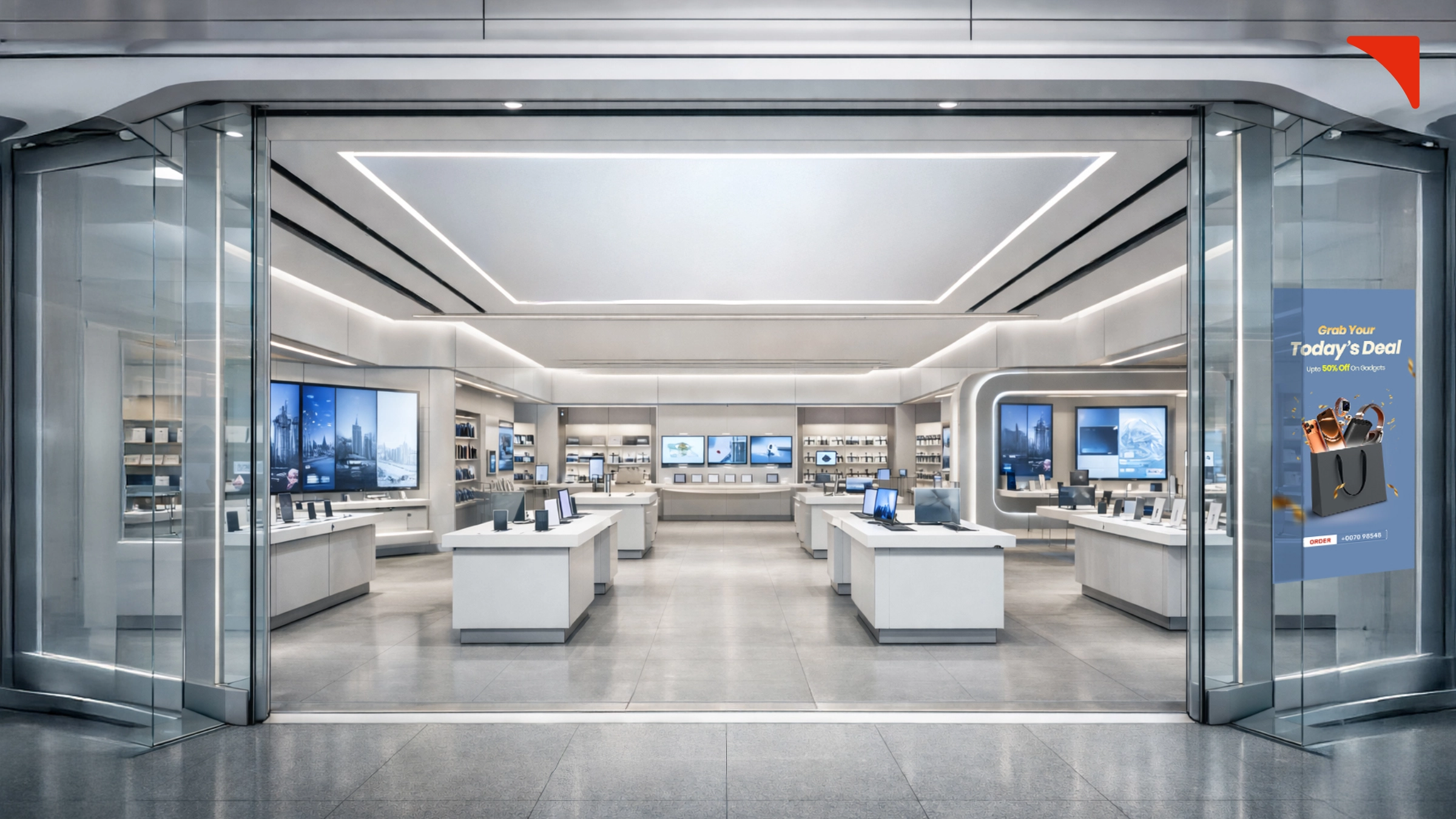
A few years back, as online shopping was taking over physical retail, its survival was the only topic discussed. However, in 2026, this conversation has now shifted to reinvention. Irrespective of the fact that online retail is still growing at a very fast pace, the percentage of physical retail in the world is still not shrinking. Instead, it is recalibrating.
Various studies have suggested that physical stores are still projected to drive more than 70 percent of total retail sales worldwide by 2030. However, their purpose, size, and structure are subjected to look different from what they are today.
The process of planning a retail store was once dominated by standardized layouts and historical benchmarks. But as the field of retail continues to evolve at a rapid speed, this specific aspect has now become a forward looking discipline that is grounded in data, predictive analytics, and continuous optimization. The next ten years will further redefine how retailers plan stores. They will not see them just as a fixed asset, but instead, as an adaptable system that will be designed for uncertainty.
The End of “Average” Store Planning
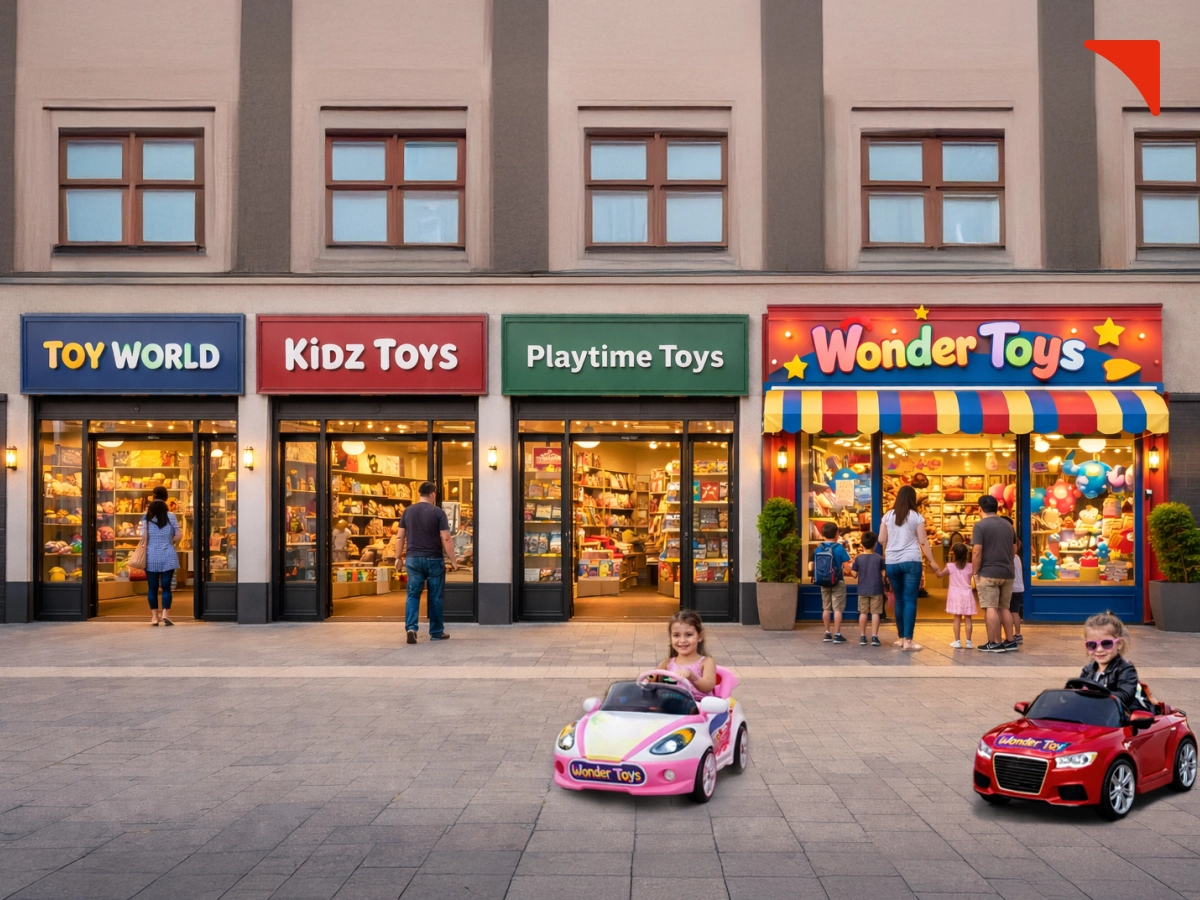
In the past few years, planning a retail store relied on averages. This included average store size, average basket value, average footfall, etc. This approach worked at that point in time, as consumer behavior was comparatively very stable. However, this stability no longer exists as modern consumers have ever evolving, not so easy to predict purchasing patterns.
According to a research by McKinsey, it was found that consumer preferences in this modern era change up to three times faster in comparison to what they did ten years back. This directly highlights the fact that static store designs are no longer effective and efficient.
By 2030, planning based on averages will definitely become obsolete. Retail brands that understand this are now shifting towards probabilistic planning models that do not just account for single forecasts, but instead, possess the ability to cater to multiple demand scenarios.
Hence, instead of asking ‘which layout will work the best?’, retail brands now ask ‘which layout can perform best across the widest range of future possibilities?’
This change is also encouraging retailers to opt for research and planning services. Through professional expertise, they can seamlessly integrate behavioral research, economic modeling, and spatial analytics into a single planning framework.
Store Space as a Measurable Asset!
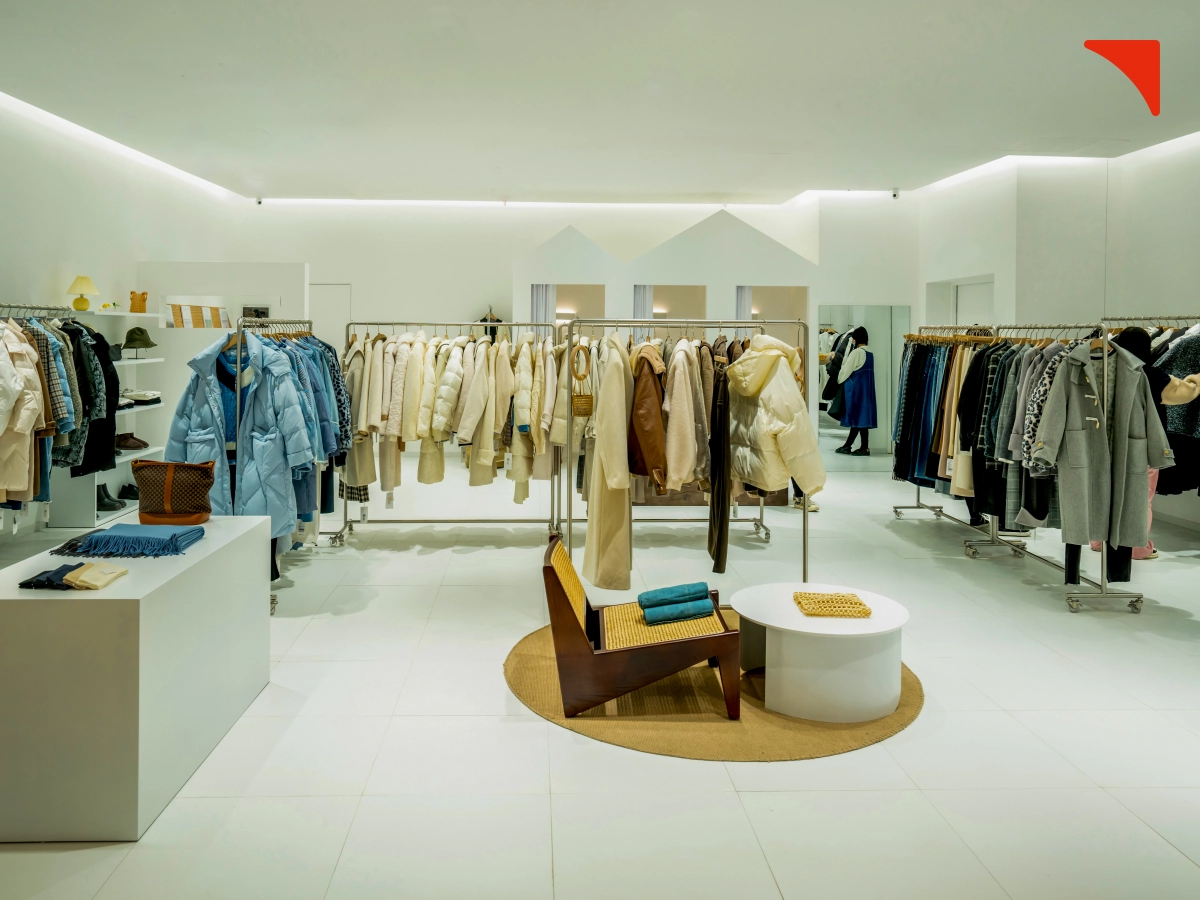
One of the major shifts that we all might come across is treating the store space as a measurable and optimizable asset.
According to the industry estimates published by Deloitte, around twenty to twenty five percent of the global retail floor space does not generate any positive results. And this is mainly due to poor layout efficiency rather than weak demand.
By 2030, it is expected that retail store planning will routinely include detailed performance metrics like contribution margin per square meter, conversion probability by store zone, and elasticity of space allocation across categories.
Sustainability as a Quantitative Planning Variable
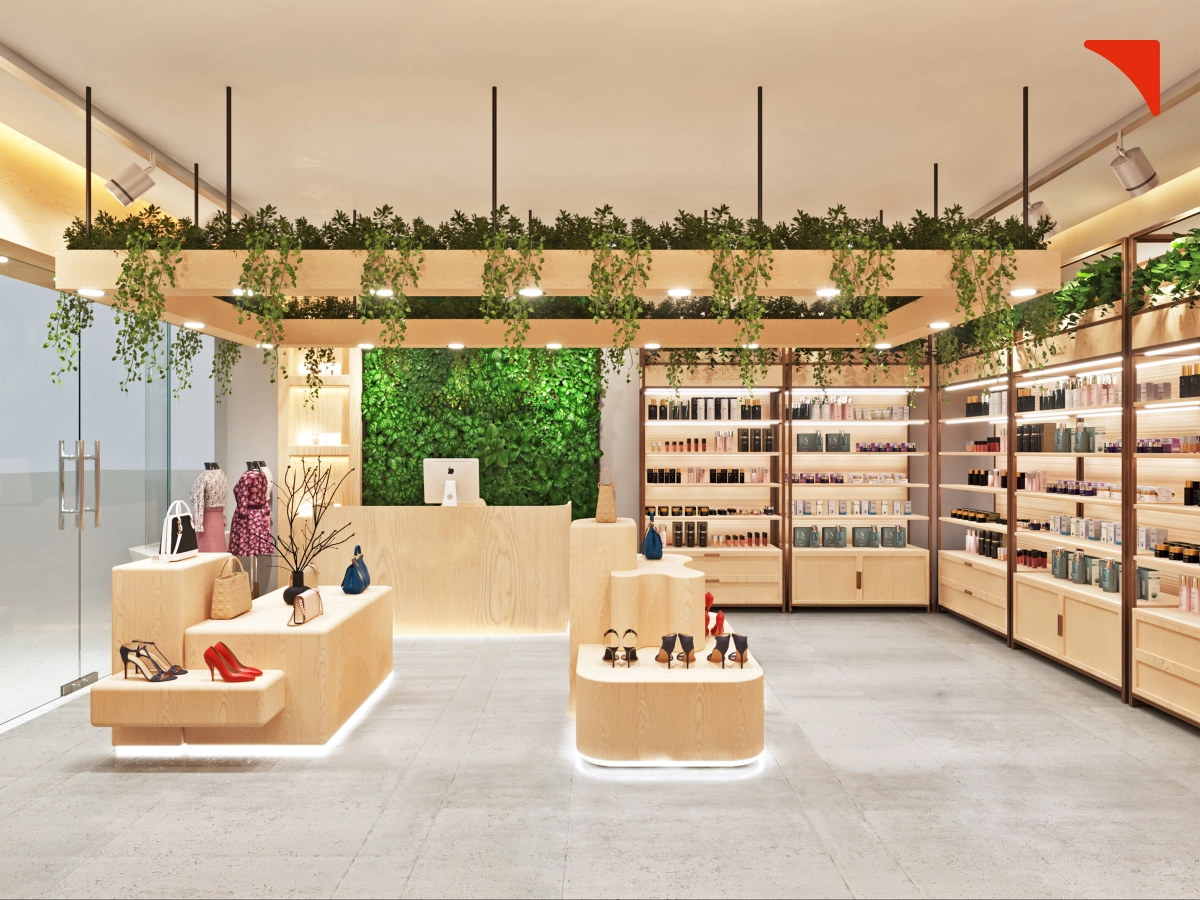
Retailers are now embedding sustainability in store planning through measurable constraints.
According to a research by the International Energy Agency, it was found that commercial buildings are responsible for nearly thirty percent of global energy consumption. This directly places retail stores under increasing regulatory and cost pressure.
By the year 2030, store planning decisions might be evaluated against sustainability metrics, including the following ones:
Instead of treating sustainability just as an aesthetic choice, retailers are utilizing research and planning services. They are analysing the obtained data to quantify trade offs between upfront investments and long term savings. This shift is further encouraging the adoption of smaller, more efficient stores and modular design that can be evolved without costly rebuilds.
Location Planning in a Fragmented Urban Landscape
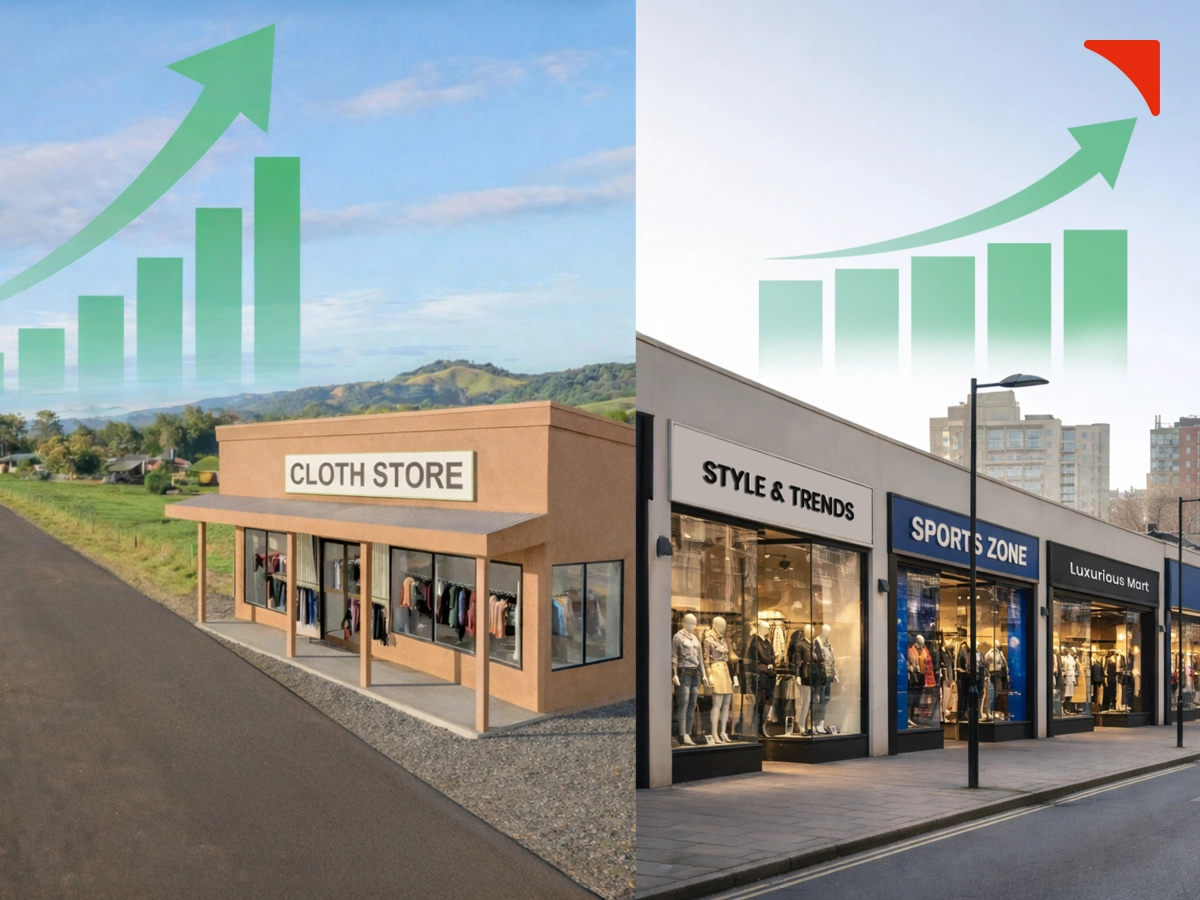
Wherever there is demand emerging, urbanization and the concept of remote work are fundamentally changing.
Various studies suggest that secondary cities and mid-density zones are growing faster than traditional retail cores in many regions.
Considering this scenario, retail store planning is now shifting away from blanket market entry strategies and is instead moving towards micro-location planning. By utilizing advanced geospatial analytics, planners can model catchment areas using real mobility data instead of static radius assumptions and further practice more accurate forecasts of footfall, sales potential, and cannibalization risks.
By 2030 and beyond, location planning and even retail expansion will no longer be about securing the best address. Instead, it is expected to be more about understanding how people actually move through and use urban spaces.
Store Formats Will Align More Closely with Brand Intent
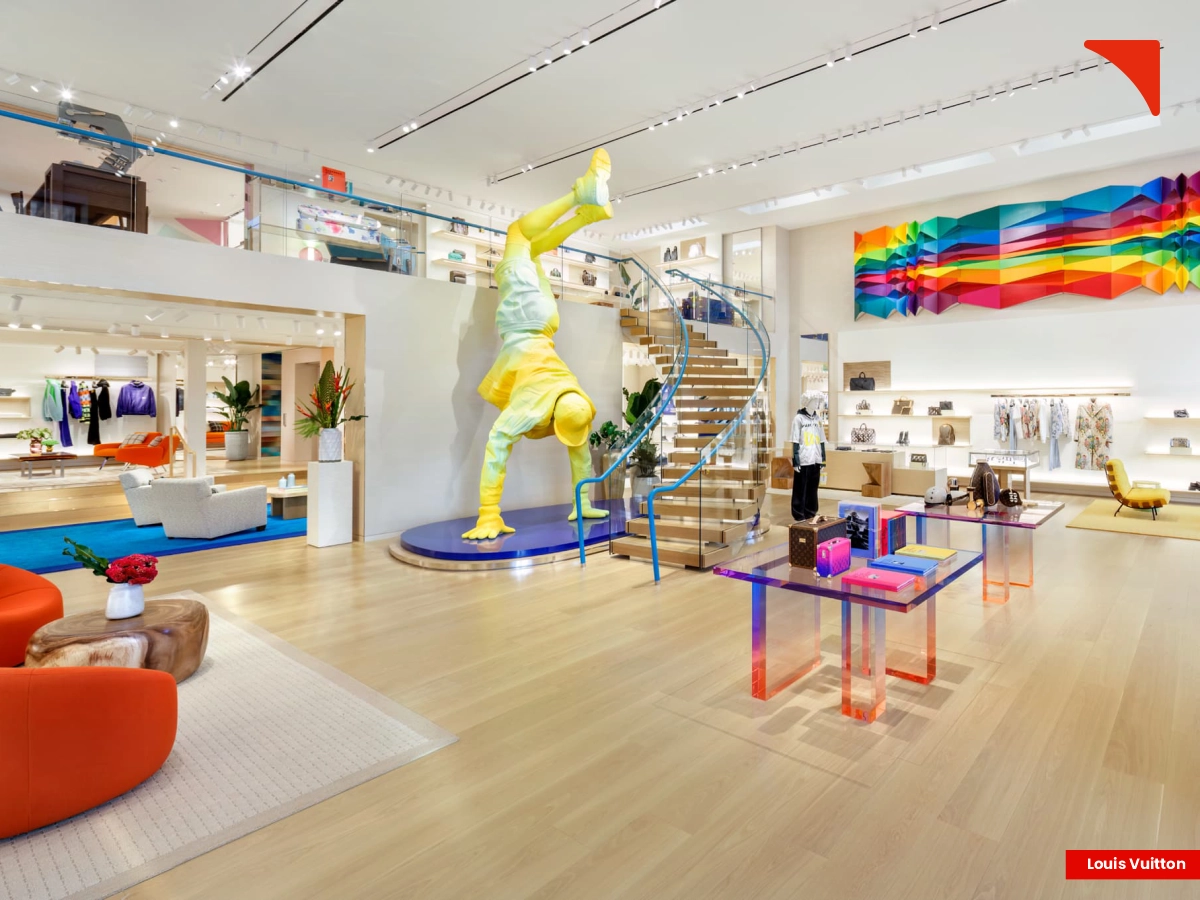
In the near future, we are not going to see any single store format dominating the retail field. Instead, we will see brands deploying a portfolio of formats that will be aligned with distinct objectives, including transactional efficiency, brand engagement, convenience, or fulfillment.
Do you know what’s changing? It is the degree of intentionality behind these choices. Retailers are now increasingly coordinating store planning with brand strategy in order to ensure that physical environments reinforce long term positioning instead of just short term sales tactics. This is the main reason why many organizations approach brand strategy consulting firms to align spatial planning with broader business narratives and customer expectations.
Planning for Uncertainty, Not Stability
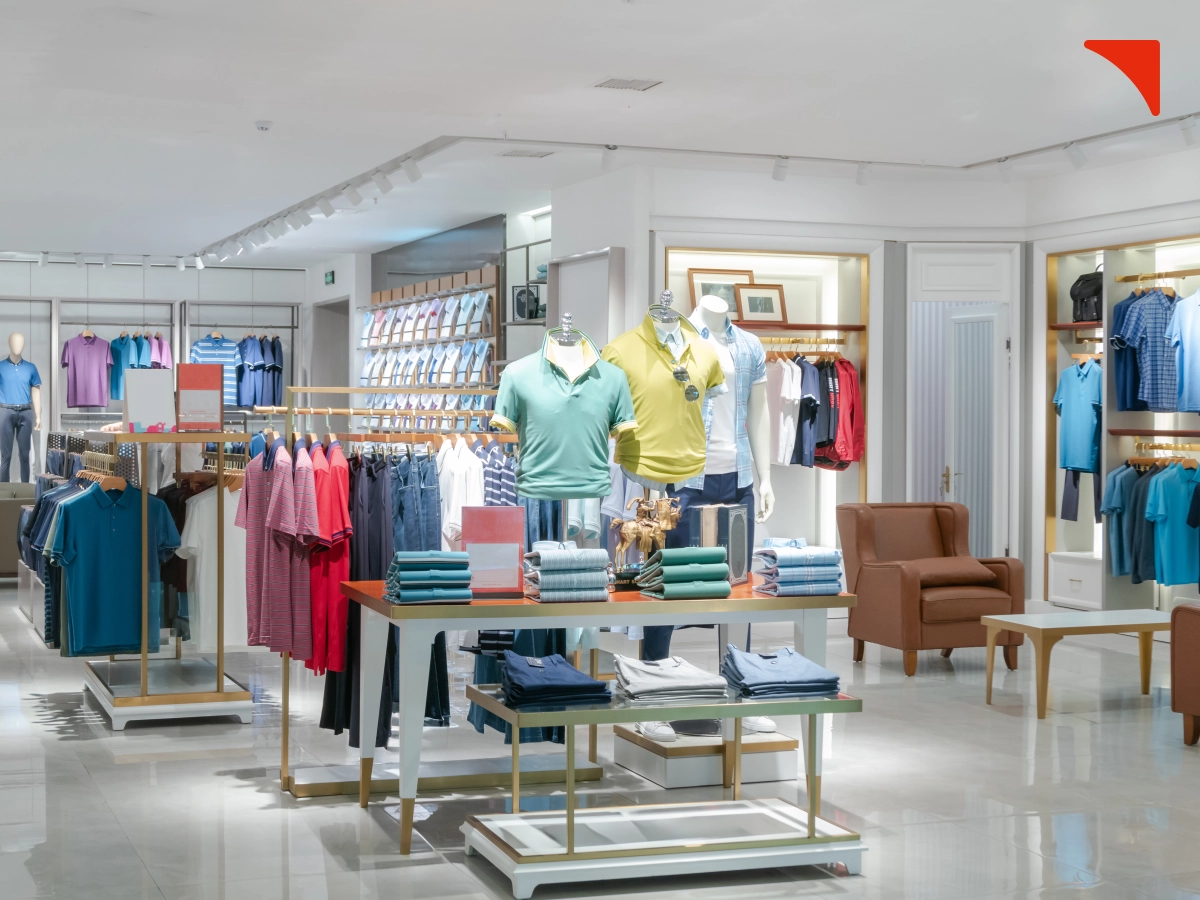
The most important prediction for 2030 indeed is that uncertainty will not be treated as an exception but instead, it will be assumed. Factors like economic volatility, climate disruptions, and behavioral shifts will keep continuing to challenge retail models.
As brands prioritise flexibility while store planning in the future, they will start implementing layouts that can be reconfigured quickly, retail spaces that can be used for different purposes, and planning models that possess the ability to be continuously updated in case new data emerges.
Final Perspective!
In 2030 and beyond, the concept of retail store planning is not going to be about building stores. Instead, it is actually going to be more about building and establishing a system that is capable of learning, adapting, and enduring. Retail brands that invest in data intelligence, predictive modeling, and flexible design principles will successfully transform physical stores from fixed costs to strategic assets. And clearly, those who don’t will experience that even the most beautifully designed stores cannot compensate for a poorly planned future.