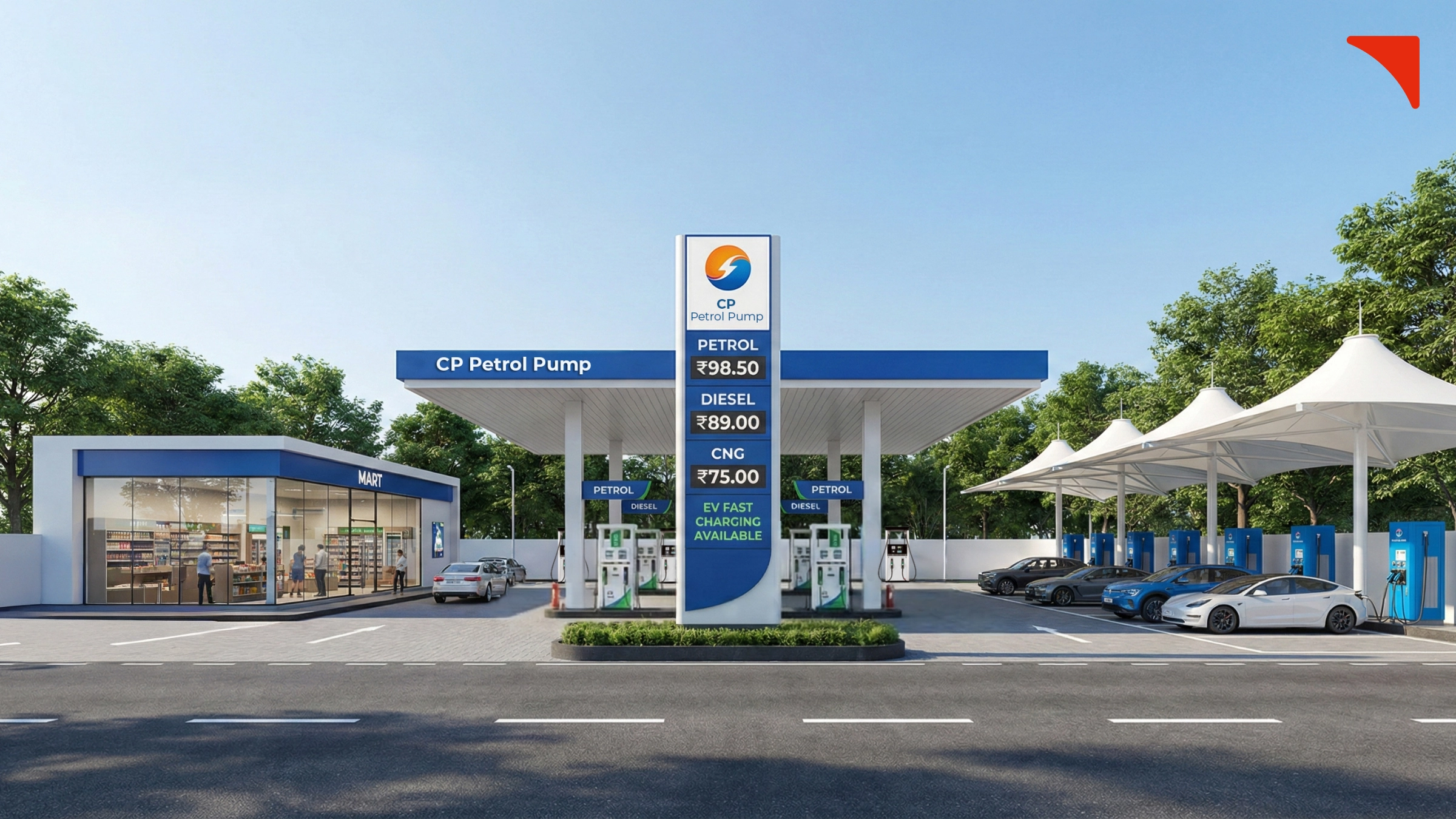
We are all in the middle of an era where the global transition towards electrified and diversified mobility accelerates. And in this scenario, conventional fuel stations are indeed undergoing one of the most profound transformations in their history. The rise of electric vehicles, hydrogen fuel cell options, biofuels, and even micro mobility, clearly highlights the need for infrastructure that can simultaneously support multi energy vectors.
This drastic shift isn’t simply technical. Instead, it actually requires a radical rethinking of how service environments function, flow, and integrate with communities. In this context, innovations in service station design are revolutionising what a mobility hub can be and further transforming traditional pit stops into intelligent, flexible, and multifunctional connections in the transport ecosystem.
From Single-Fuel Islands to Multi-Energy Ecosystems!
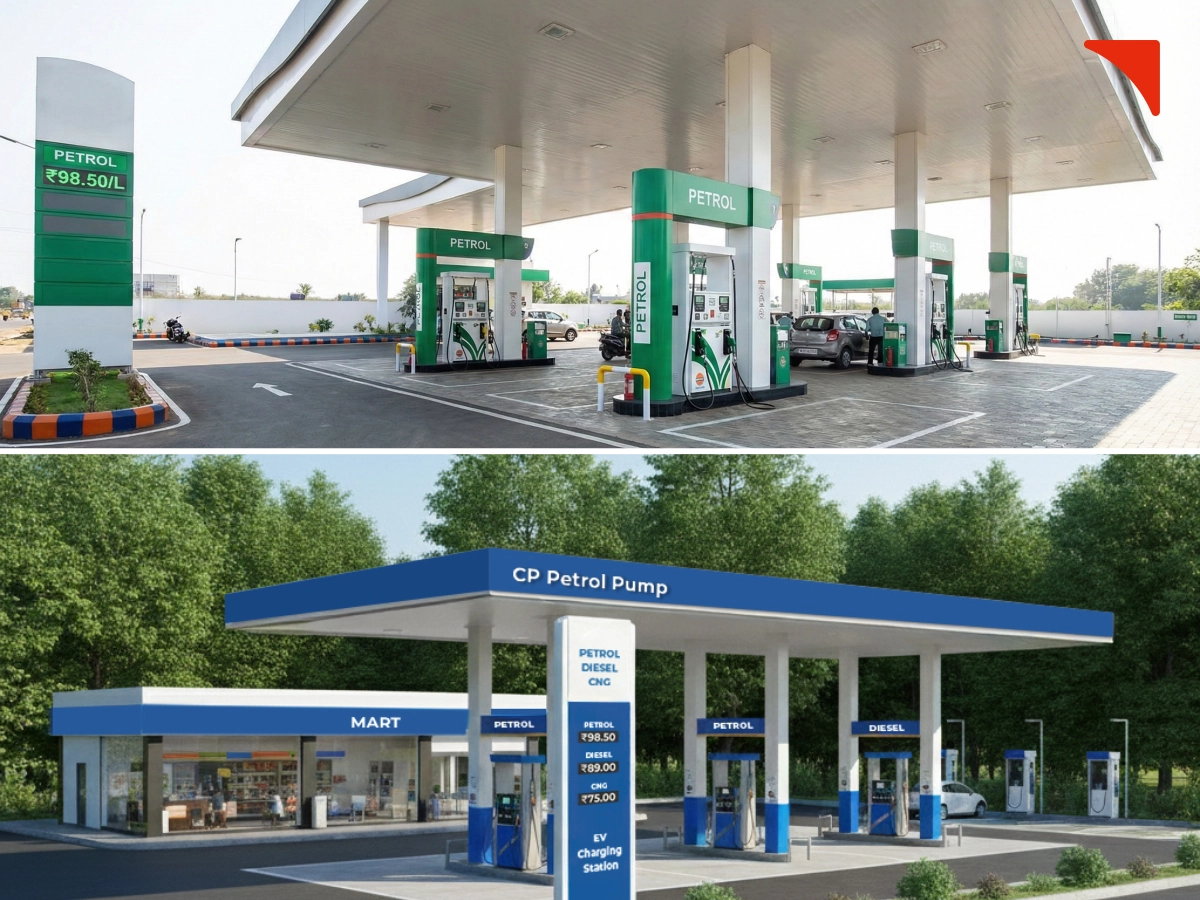
A long time back, designing petrol stations revolved around a single core process. They just focused on quickly refueling combustion engine vehicles. However, things are no longer the same now and are supposed to change even more in the future. Multi energy mobility hubs should now support varied dwell times, different safety requirements, and varied user behaviors.
Different types of refueling categories, including hydrogen dispensing, high speed electronic vehicle charging, slow overnight charging, and biofuel pumps, individually require unique spatial arrangements and operational protocols.
Unlike traditional ones, the modern service station designs now prioritise modularity as well as segmented energy zones. Mentioned below are a few examples that support this statement.
Modularity and segmented zones result in a more integrated yet finely tuned energy landscape that further enables multiple energy services to simultaneously operate without compromising safety or performance.
Intelligent Space Planning Driven by User Behavior
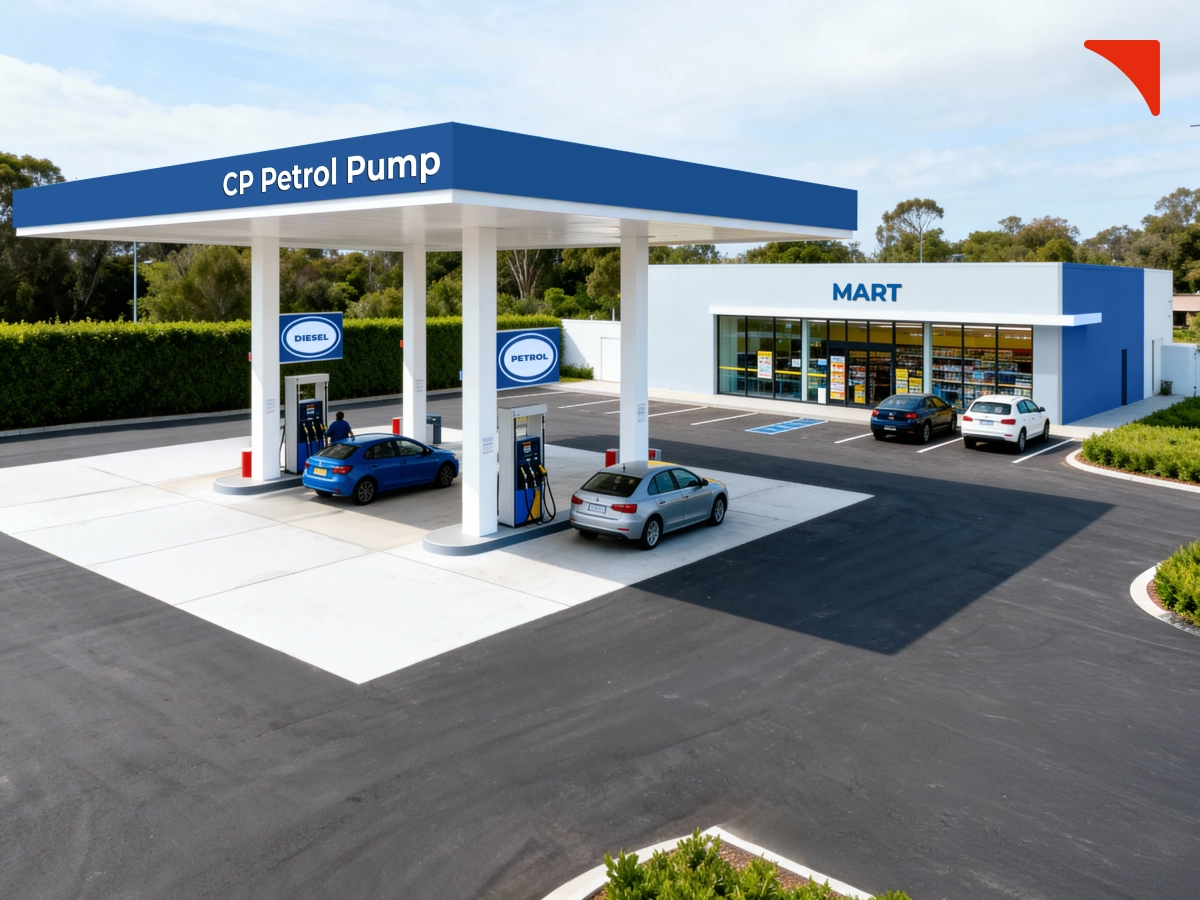
As already discussed, the variety of fueling and charging behavior expands, and so does the need for characterised refilling space design. For EV users, the dwell time can range from anywhere between 10 minutes with an ultra fast charger to several hours in case of slow charging machines. On the other hand, in the case of users with vehicles that run on hydrogen or biofuel, the experience still remains closer to the rapid in and out model of the past. And clearly, to design a space that suits both groups requires strategically executing a careful blend of flow, amenities, and visibility.
Considering this scenario, dynamic zoning actually emerges as a suitable solution. Customer facing areas should now shift in prominence depending on energy demands at different times of the day. To accomplish this, brands operating in fuel retail can consider implementing different elements, including digital signage, adaptive lighting, and smart queuing systems. Considering this will help them direct drives to the most appropriate energy option, reduce congestion, and create a sense of intuitive navigation. This behavioral centric service station design will automatically transform a static layout into a responsive environment and enhance the user satisfaction while maintaining an efficient flow.
Integrating Built Form with Energy and Data Infrastructure
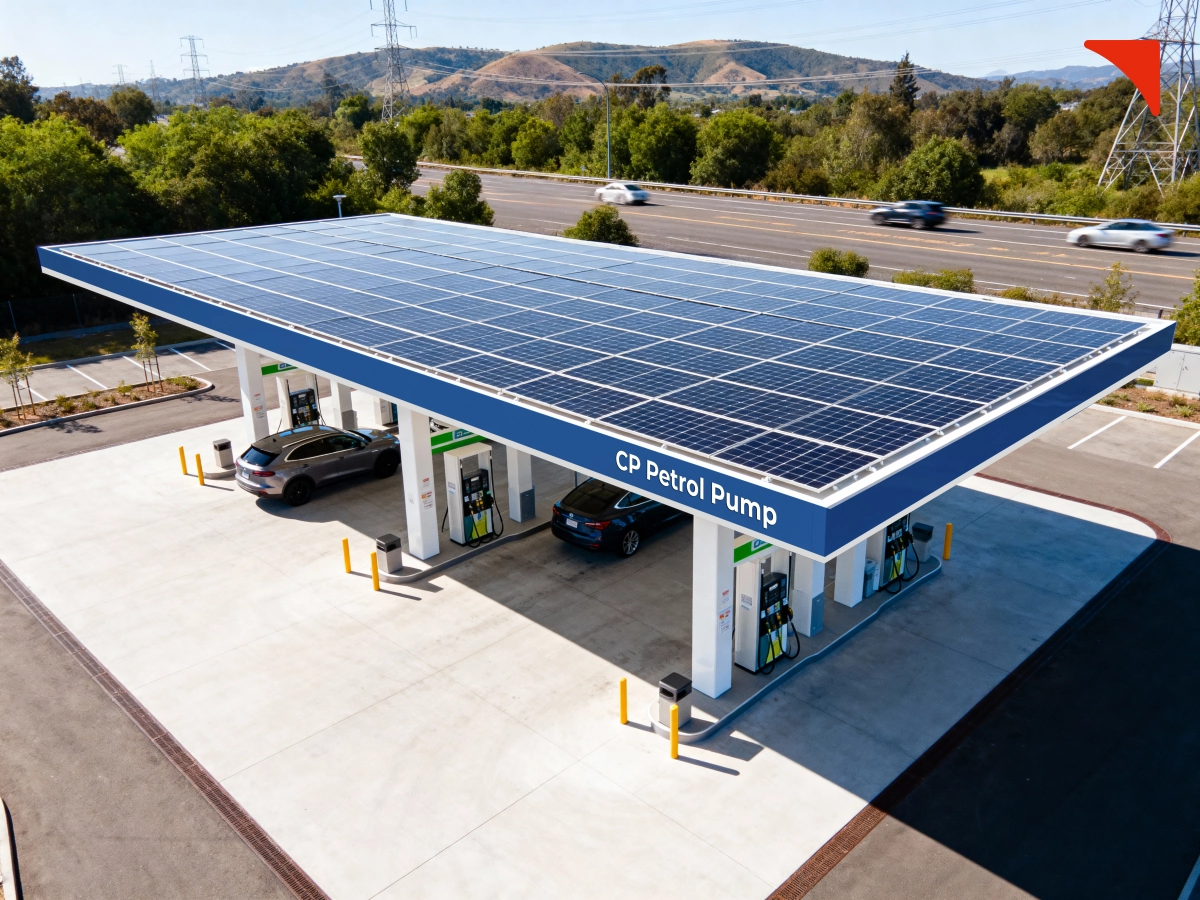
Multi-energy hubs are increasingly becoming miniature power plants and data centers in their own right. Factors like solar powered canopies, battery energy storage systems, vehicle to grid (V2G) interfaces, etc., make a significant contribution to load stabilizing and optimizing energy flows. These components are no longer hidden behind the scenes—they shape the architectural expression of the mobility hub.
Innovative roofs are doubling as photovoltaic generators. Storage units are being tucked into sculptural architectural enclosures that both conceal and celebrate their technical importance. V2G-enabled parking bays are arranged to maximize grid coupling potential during peak times, turning the entire hub into a dynamic energy trading point. This interplay between the built form and energy engineering clearly lays a robust foundation for the next frontier of holistic service station design. The boundaries between architecture, infrastructure, and technology have already started blurring into a unified system and are expected to continue doing so in the future as well.
Enhancing the Human Experience Through Mixed-Use Models
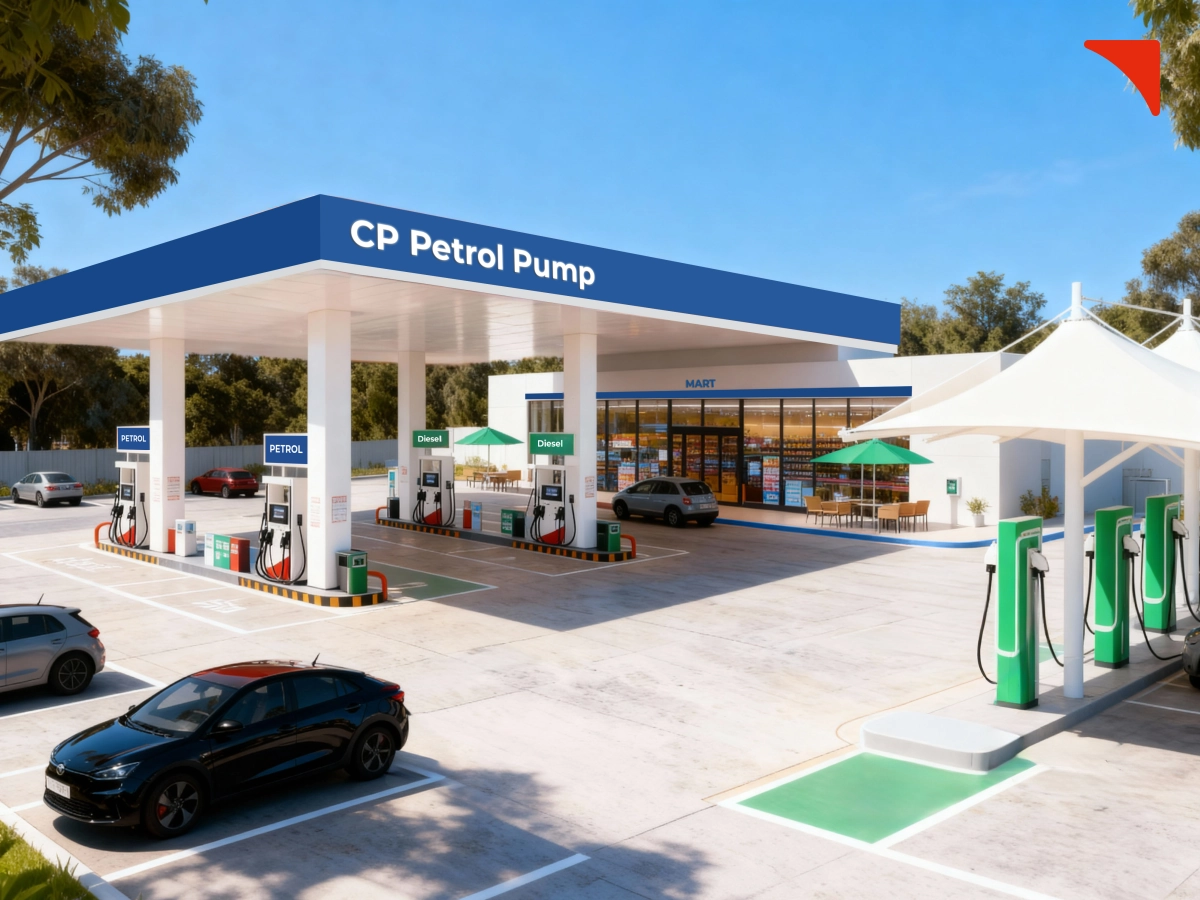
Energy based dwell times are diversifying, and so are petrol stations. They are now evolving into micro destinations for consumers. Instead of waiting passively, customers can take advantage of work pods, cafes, retail spaces, or wellness zones. The emphasis shifts from minimizing time spent on-site to maximizing the value of that time.
Modern designers are now referring to hospitality and workplace design principles, and further including natural lighting, nature inspired design, sensory comfort, and ergonomic seating, to create inviting and comforting interiors. Also, factors like touch free interfaces, curated micro retail, and personalization through apps further add more to the experience. This new model is undoubtedly suitable for all. However, it particularly resonates more with EV users as their charging window provides a natural opportunity to rest, shop, or work.
This transition from pure utility to enriched retail experience also drives the opportunity for new revenue models. Brands dealing in fuel retail can supplement the traditional energy sales business model by leasing their retail space, hosting pop up stores, integrating last mile logistical operations, etc, and further experience a more economically resilient mobility hub.
When brands that are dealing in petrol retail utilize behavioral data, they can easily transform their static station layouts into responsive system plans that will further help them reduce overcrowding and will improve user satisfaction as well.
Modularity allows energy-agnostic spatial planning, where service stations are not just designed for permanence but for adaptability and swapability. Doing this allows petrol retail brands to integrate new energy vectors (whenever required) without any structure destruction or major operational disruption.