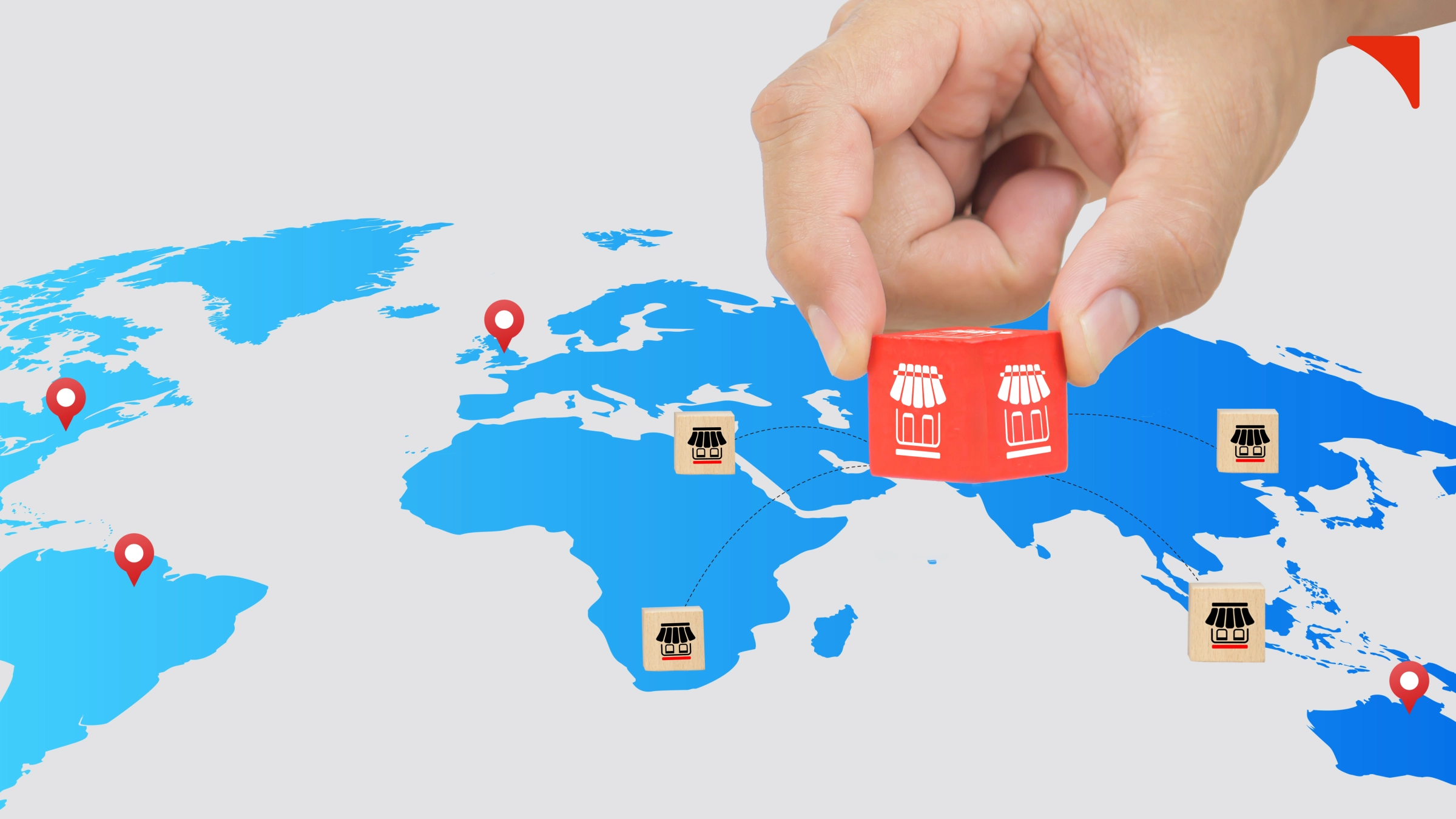
Many brands assume that increasing the number of stores will help them automatically drive growth. However, the reality is far more complex. Retailers need to understand that expansion without a clear strategy, data backed insights, and operational readiness can turn an opportunity into a risk in no time. Because in retail, growth is not determined by the number of locations a store is operating in. Instead, the respective concept revolves more around revenue, profitability, customer loyalty, and long term sustainability. Clearly, brands that ignore strategic planning might face several issues related to rising costs, diluted customer experiences, and declining results, even with a larger footprint.
The Risk of Expansion Without Strategy!
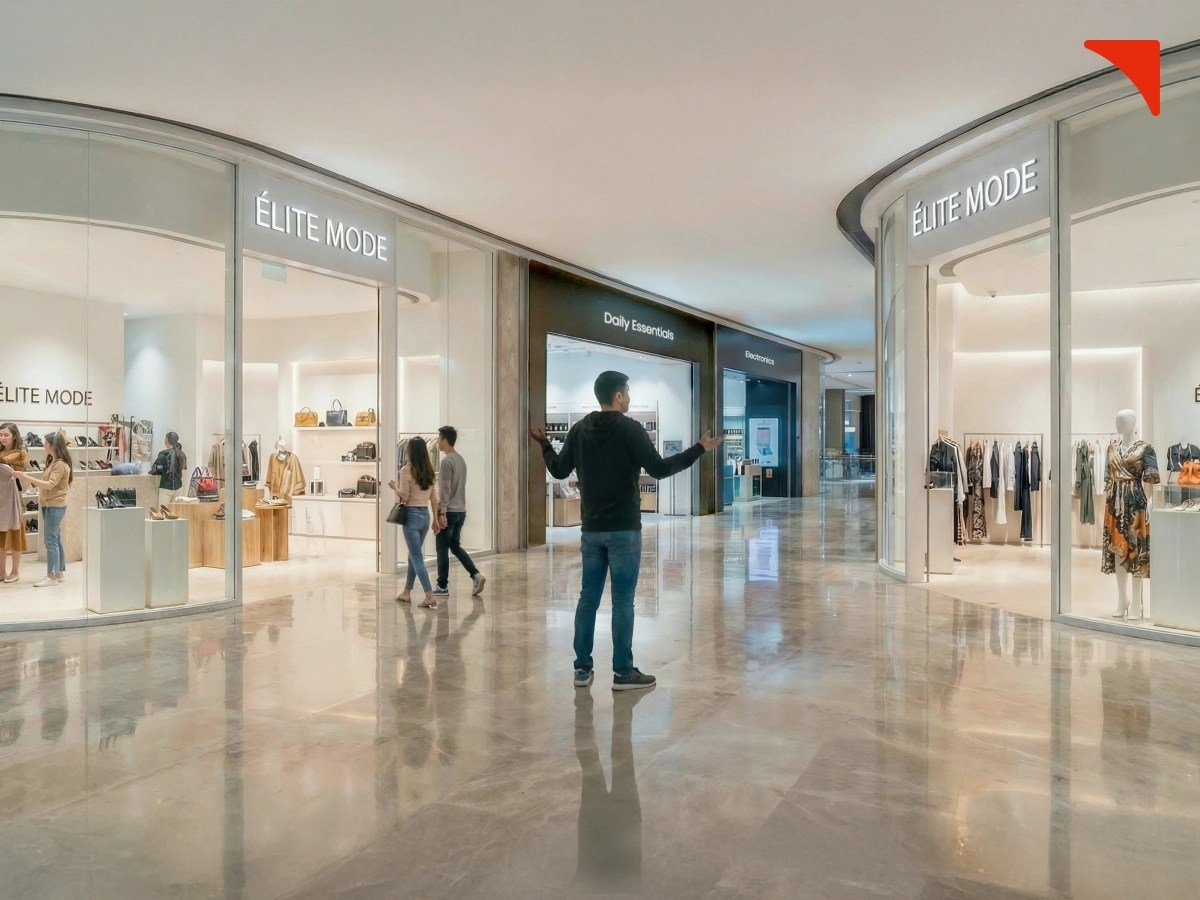
A brand should never open multiple stores at different locations without a strategic approach, as this may lead to certain inefficiencies and lost opportunities. Market overlap is indeed one of the most common challenges. A brand’s new store might end up attracting customers who previously shopped at the existing store in the same market. This internal competition, which is often referred to as cannibalisation, can increase the operational costs and flatten the total revenue, but never vice versa.
According to Harvard Business Review, it was noted that, irrespective of an increase in the store count, poorly spaced outlets frequently resulted in slow moving sales.
Starbucks, one of the most renowned coffeehouse chains in India, experienced this firsthand in the late 2000s. The brand executed a rapid retail expansion in the United States of America, which further led to overlapping trade areas, due to which many new locations were not able to bring in additional customers. As a result, Starbucks had to close hundreds of its new stores and slow down its growth in order to focus on store performance and customer experience.
This example is a clear indication that retail store expansion without a strategic plan rarely/does not deliver the intended results.
Cost Pressures Begin Immediately
When brands expand to new locations, they clearly need to invest a certain amount. Even if the store design is executed and everything within the store is in its place, there are various other things that require money before the store starts generating meaningful revenue. These include aspects like store rent, utilities, staff hiring and training, inventory optimisation, marketing costs, etc.
According to a study by McKinsey, it was found that a store takes approximately 18 to 36 months to reach its break even point under normal conditions. However, if the expansion is rushed or poorly researched, these costs can break the retailer's budget, diminish the financial benefits, and reduce overall profitability. Instead, they can also result in hefty losses.
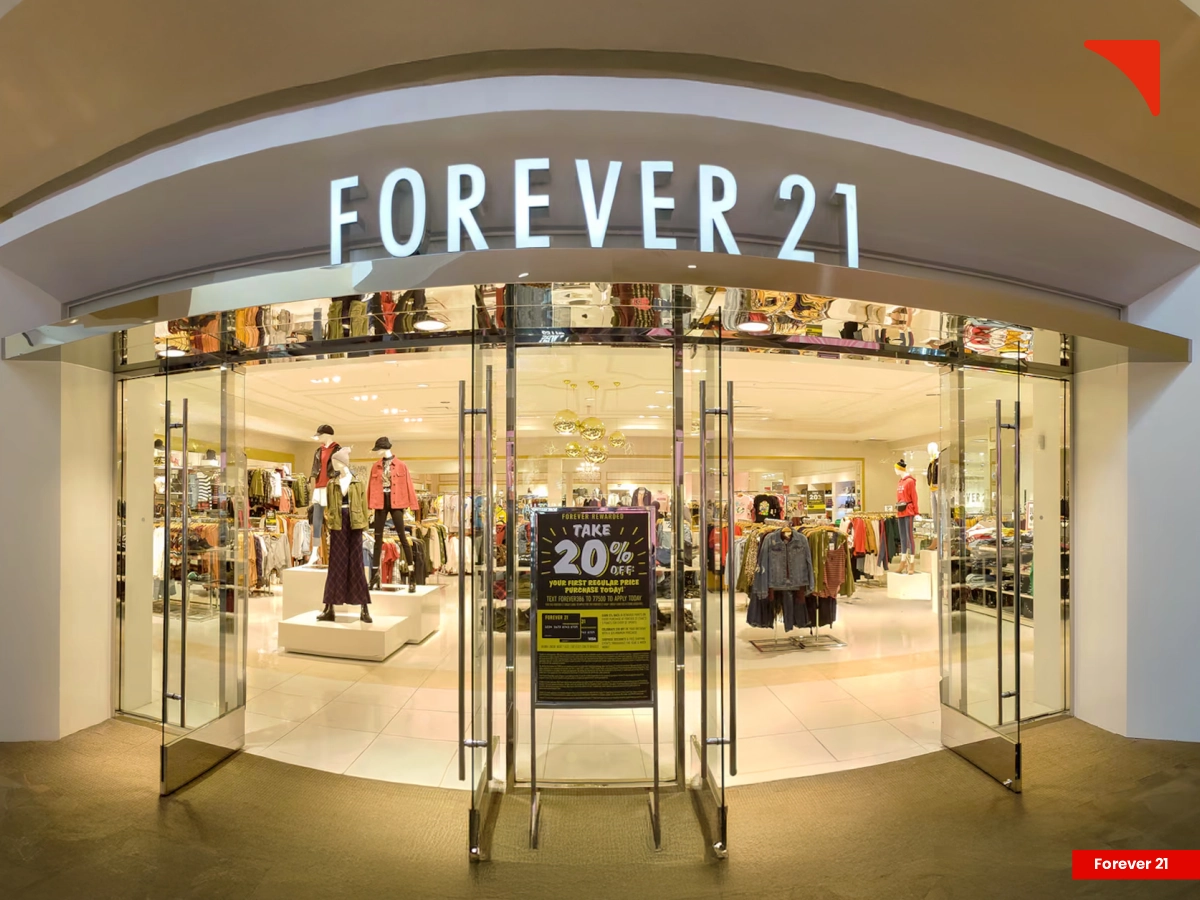
Forever 21 serves as a perfect example over here. It is a multinational fast fashion retail brand that aggressively expanded into malls worldwide. Unfortunately, the brand could not cater to changing customer behaviour and keep up with market trends, due to which it experienced severely declining foot traffic. The fixed costs were rising, and there was insufficient demand, due to which the brand also faced a financial strain and bankruptcy.
Well, this example adequately explains that non strategic retail expansion does not transform growth into an opportunity but actually converts it into a huge risk.
Operational Complexity Can Undermine Performance
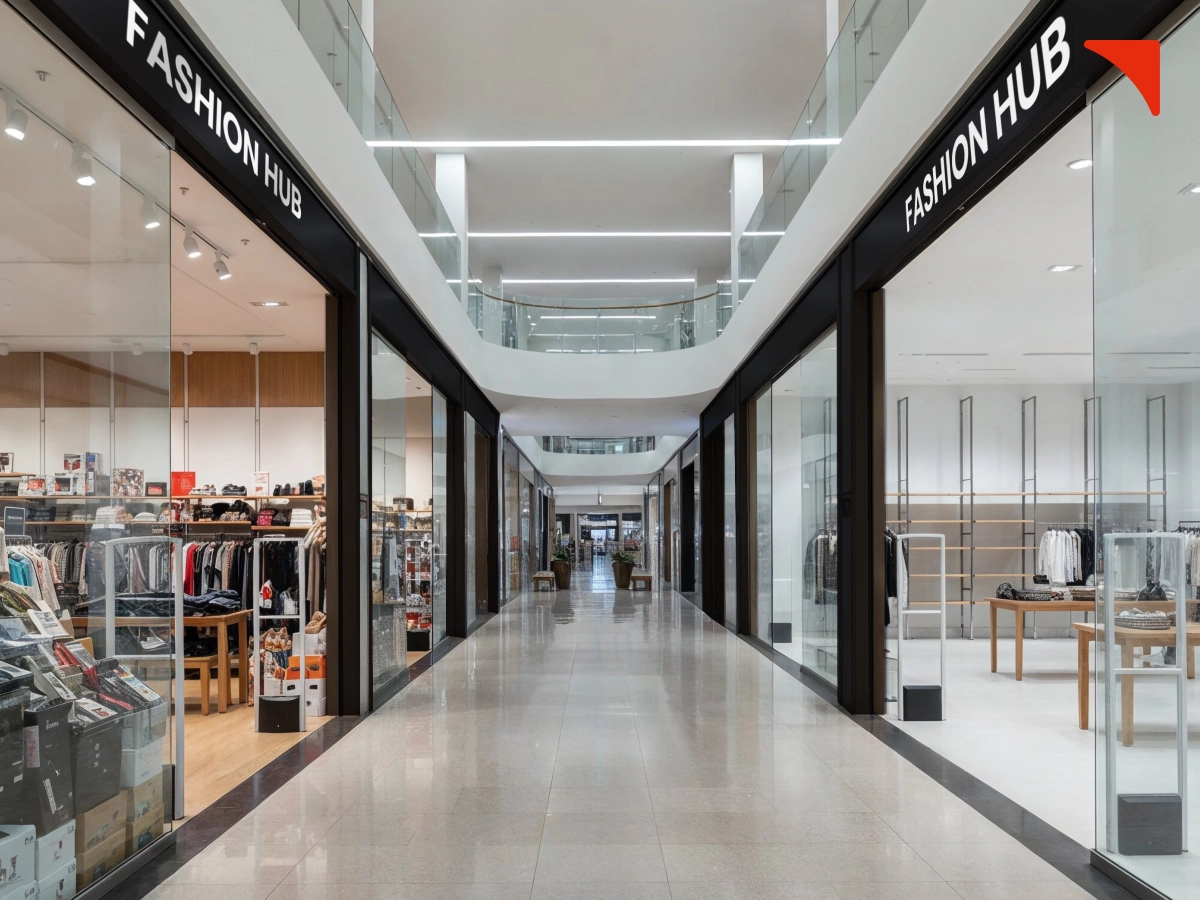
Every new store comes with unique operational challenges. Retail operations management, including supply chain handling, inventory planning, and maintaining customer experience across different locations, becomes complex and difficult to handle.
According to a report by Brain & Company, retail brands that expand too quickly often face issues related to inventory imbalances. Their new stores run out of stock, but the older ones maintain excess. These issues affect both customer satisfaction and perception of the brand and further hamper long term loyalty.
Digital Sales Interactions
The interaction between physical and digital channels can cause complications in the expansion process. Various studies suggest that new store openings can effectively encourage customers to shift from online shopping to physical purchases. This can significantly reduce online sales in nearby areas. The total revenue might slightly rise at first; however, the margin advantage of online sales gets lost. When brands don’t strategically integrate their digital and physical retail channels, growth can appear stronger than it truly is.
Market Saturation and Margin Pressure
When brands execute a non strategic expansion, they might face the risk of saturated markets. In regions that are mature, consumer demand grows at a gradual rate. Clearly, when multiple locations compete for the same customers, this can erode margins.
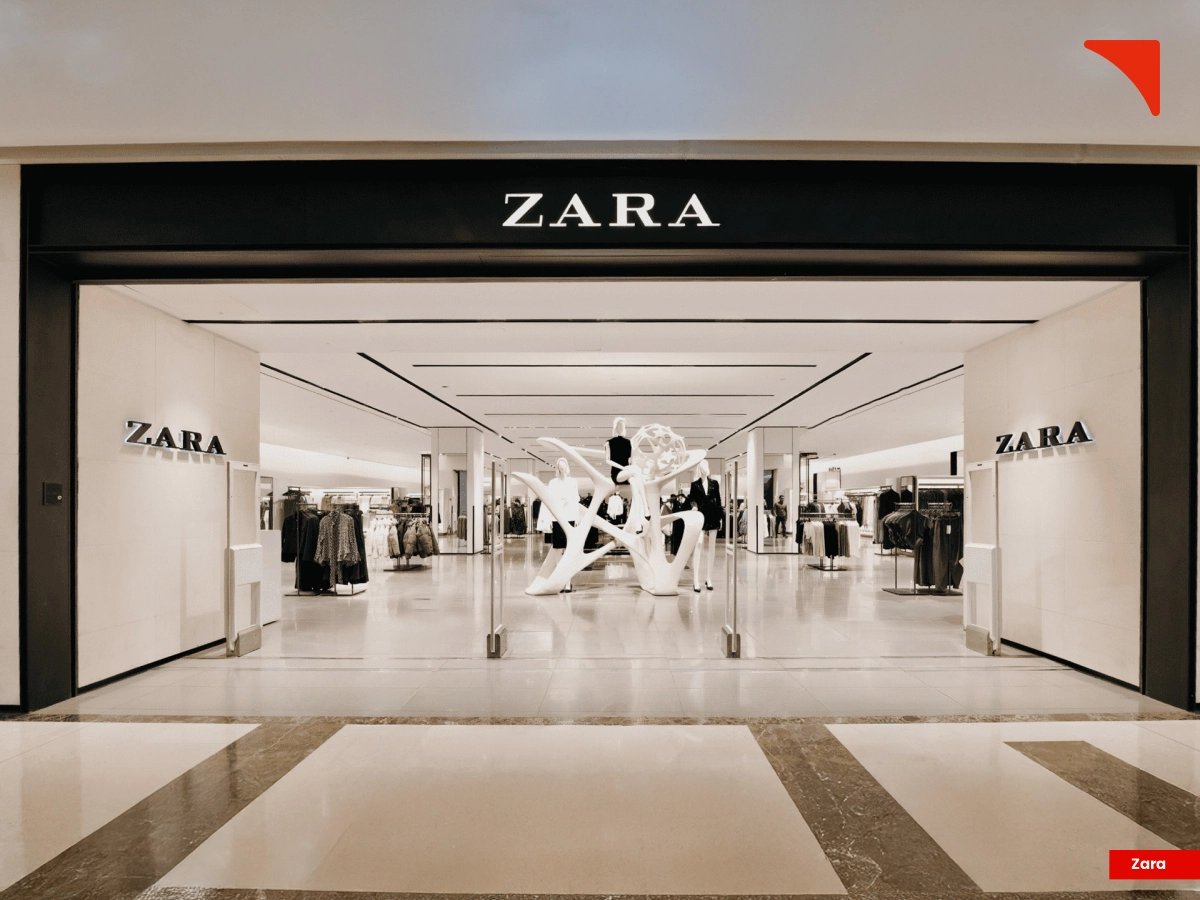
Zara, a prominent fast fashion retailer known worldwide, explains a smarter approach. The company made a strategy and started reducing its stores in certain regions. On the other hand, it was simultaneously investing in larger locations that were high performing. Also, Zara made sure that their online supply was consistent and sufficient. Hence, irrespective of fewer physical stores, the brand experienced a continuous growth in its revenue and profits.
Strategic Expansion as a Solution
The key takeaway from the above content is simple: growth in retail does not fail because stores are risky. Instead, it fails when retail store expansion is non strategic.
Various studies suggest that retailers who plan their store location using data and insights generally achieve a good amount of profitability from their new launches in comparison to the ones that are just opened based on intuition.
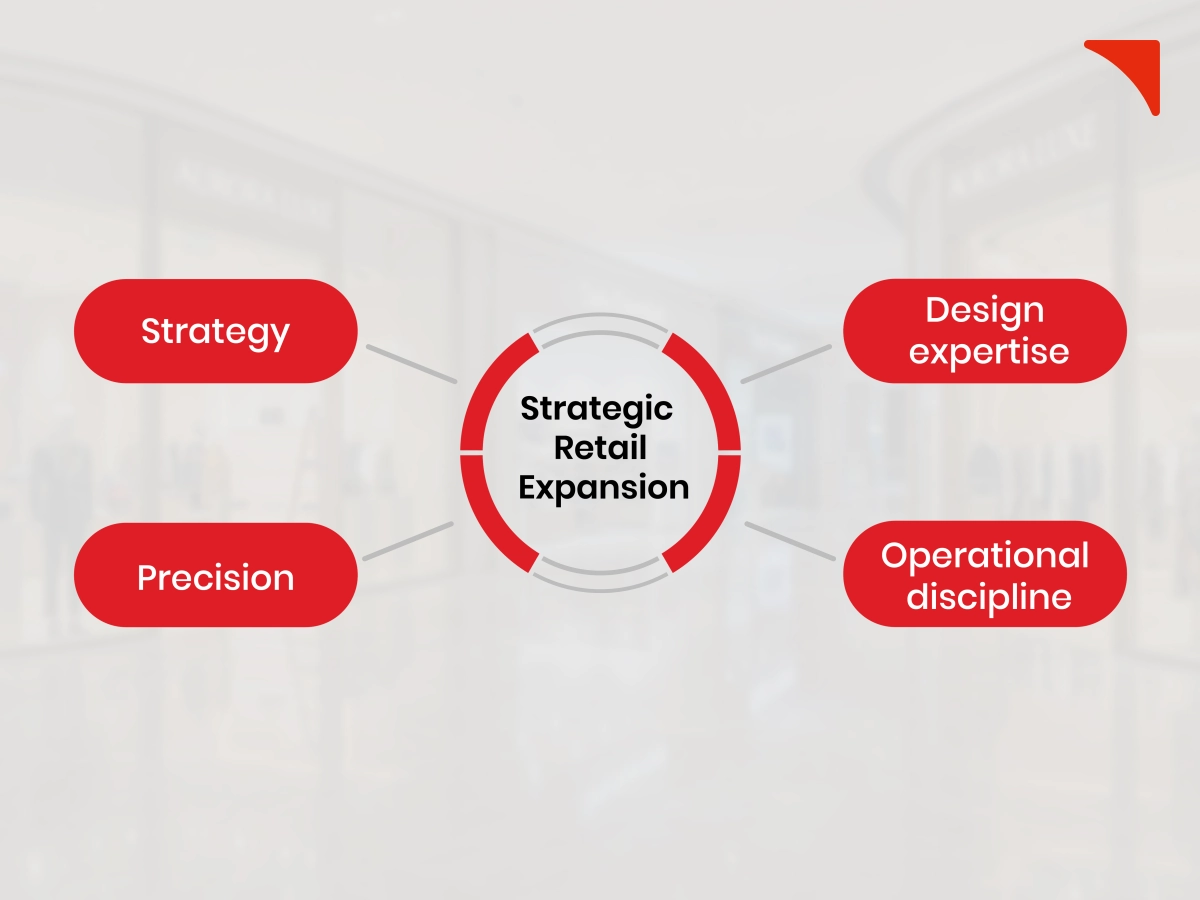
Hence, in order to achieve growth, brands should consider expert planning at every step, including location analysis, market research, store design, operational readiness, etc. Doing this will help transform every store into a growth generator and driver. Also, retailers can leverage data for strategy, design expertise, along with operational discipline and precision. This will allow them to expand to new locations strategically and confidently.
Everyone aims at growth. In order to achieve it, brands often end up expanding faster than their operations, supply chain, and customer experience.
Definitely, but only when done in a non strategic manner. Stores that are not executed precisely and don’t perform well dilute brand perception and weaken customer loyalty.