how-in-store-retail-audits-strengthen-brand-strategy-and-on-ground-execution

How In-Store Retail Audits Strengthen Brand Strategy and On-Ground Execution

457 Views
Dec 29, 2025

The concept of retail performance is not just about what happens at the cash counter; instead, it begins much earlier, long before a customer decides to make a purchase, right on the shop floor. This is exactly where the concept of retail audits enters the play. Retailers use this concept to truly understand how their products are being displayed, managed, and experienced in stores.

Store audits offer a clear view of what is working and what is not. Teams can further utilize the gathered data to align daily execution with broader goals supported by brand strategy consulting.

What Are Retail Audits?
What Are Retail Audits

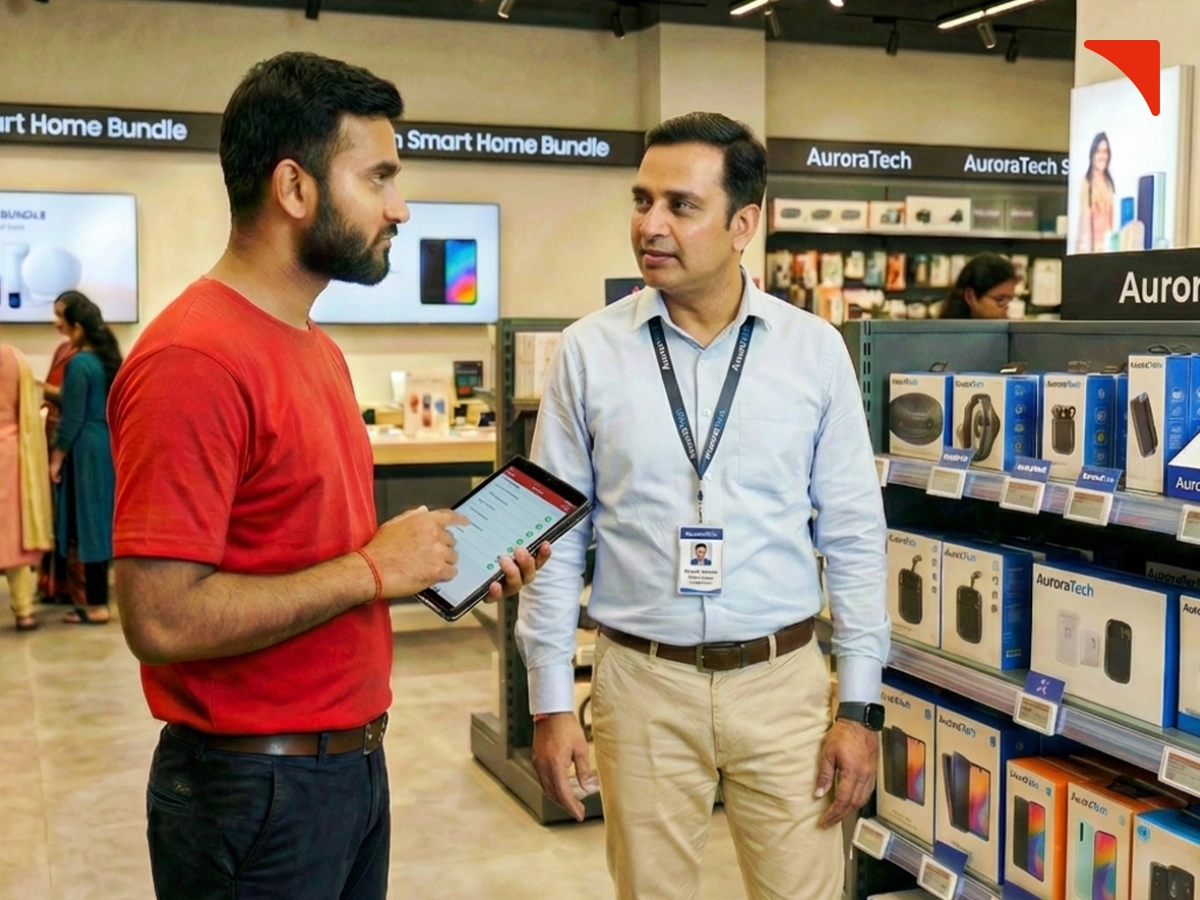
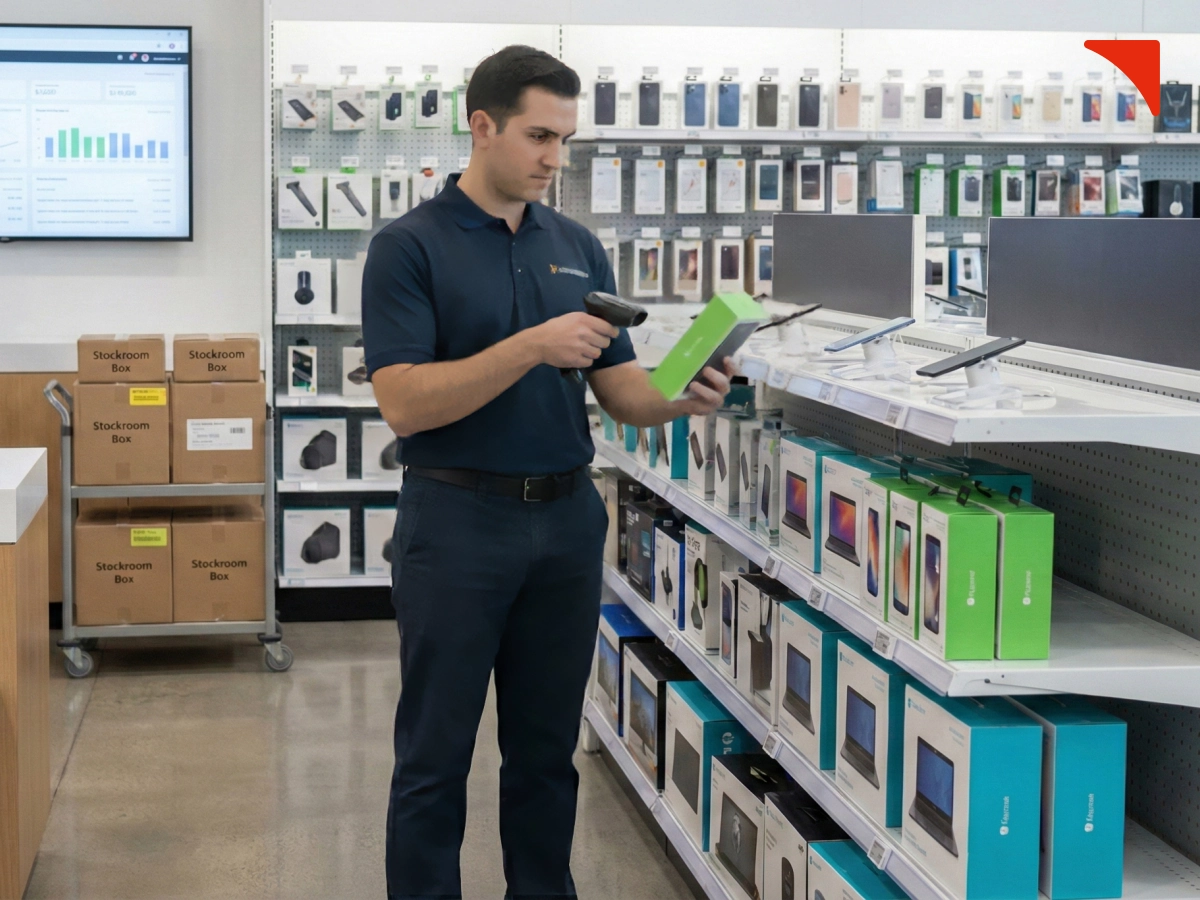
Retail audits can be explained as systematic evaluations of retail outlets to gather valuable data related to different aspects of in-store performance. The main goal of conducting a store audit is to understand how well a store is executing the brand standards and how effectively products are being presented to customers. Professionals who conduct audits typically examine elements such as product availability, shelf placement, pricing accuracy, promotional compliance, store cleanliness, staff behavior, and overall customer experience.

Either through in-person visits or digital tools, in-store retail audit services help brands collect on-ground data through which they can compare actual store conditions with the expected standards. This data further acts as the basis for retail maintenance as it helps identify inconsistencies, optimize operations, and measure the impact of marketing or merchandising efforts.

Different Types Of Retail Audits!

Different retail audits serve different purposes. Mentioned below are a few kinds of audits with their purpose and focus that explain why brands prefer them in case of specific requirements.

1. Operational audits:
Operational retail audits
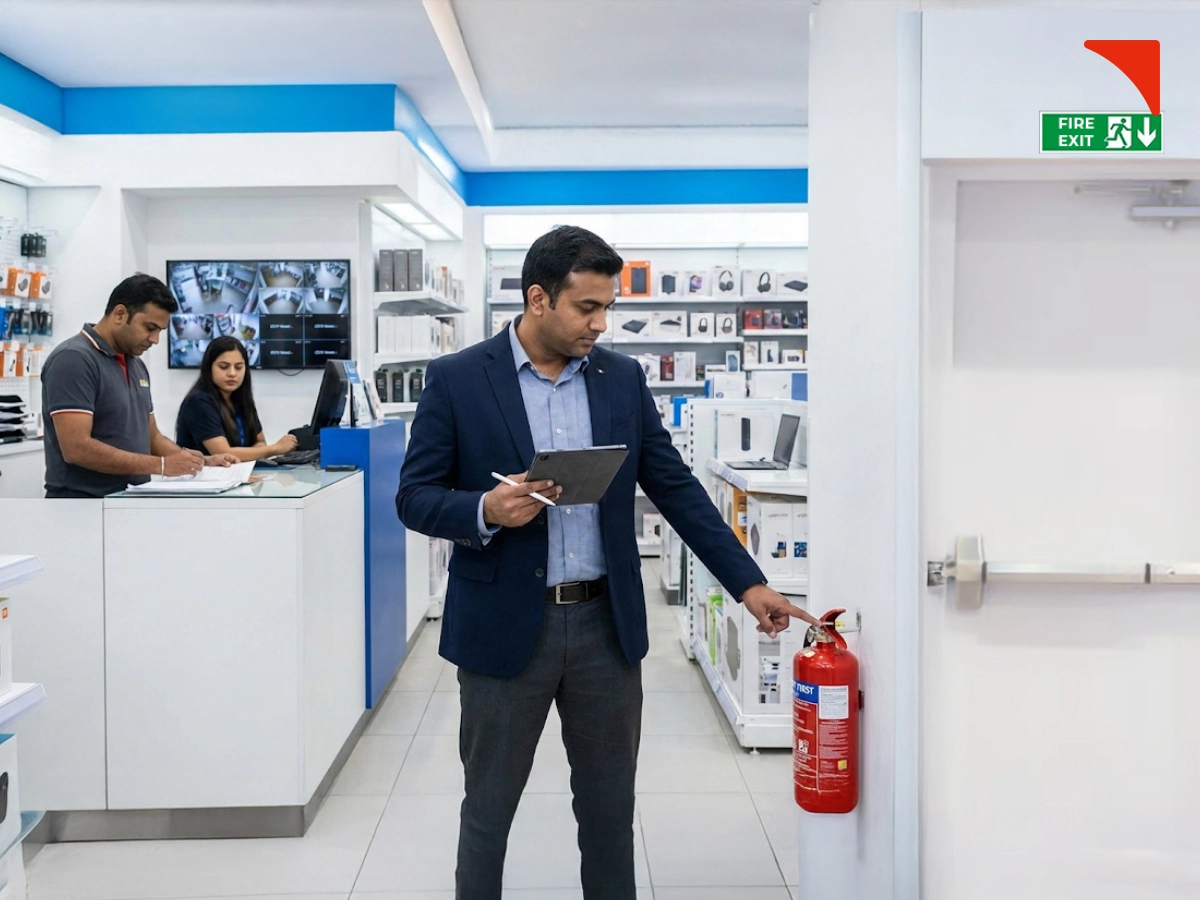
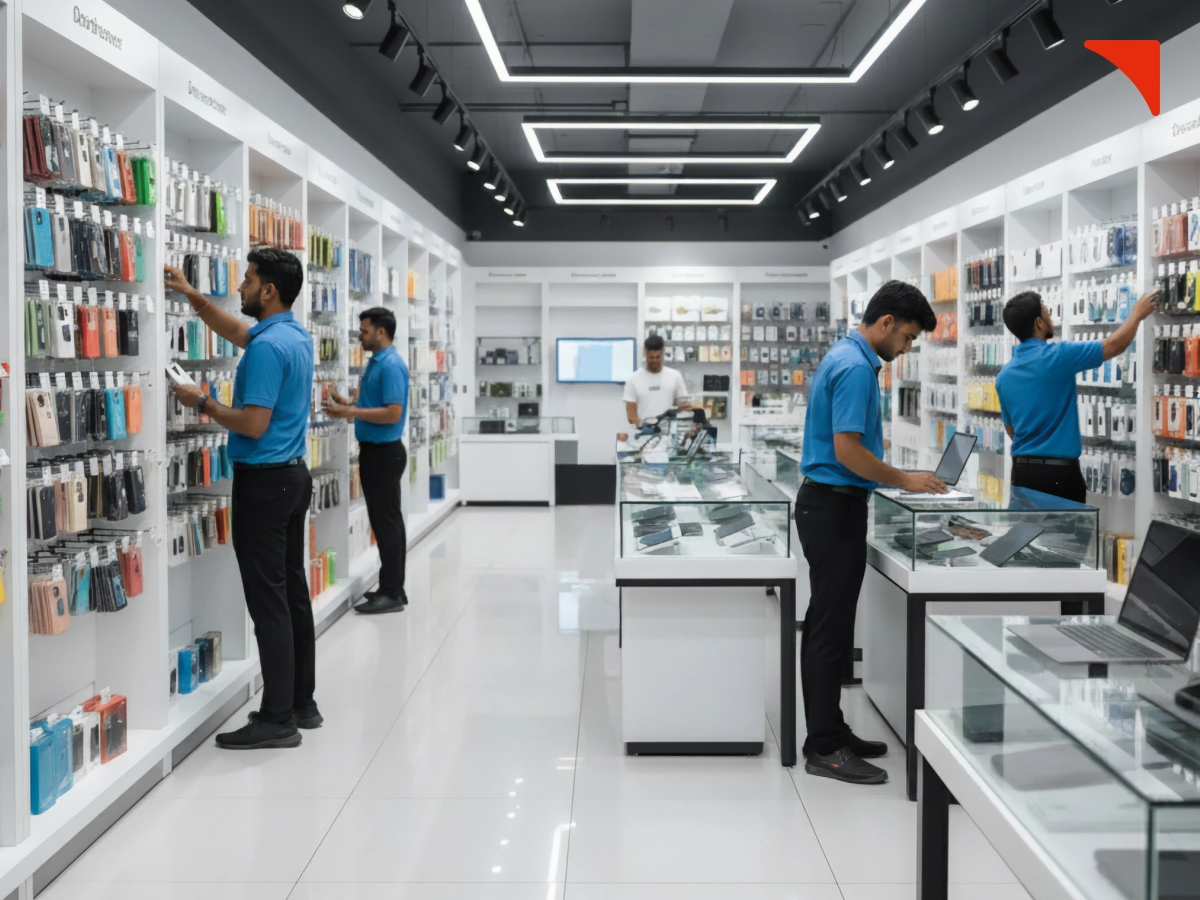
  • Purpose: As the name suggests, operational audits in retail are carried out to assess and improve the efficiency of day to day store operations, along with assessing how standard operating procedures (SOPs) are executed.
  • Focus: Audits conducted to assess operational efficiency usually focus on consistent execution of store policies, opening and closing store procedures, and staff performance.

2. Merchandising and promotional audits
Merchandising and promotional audits
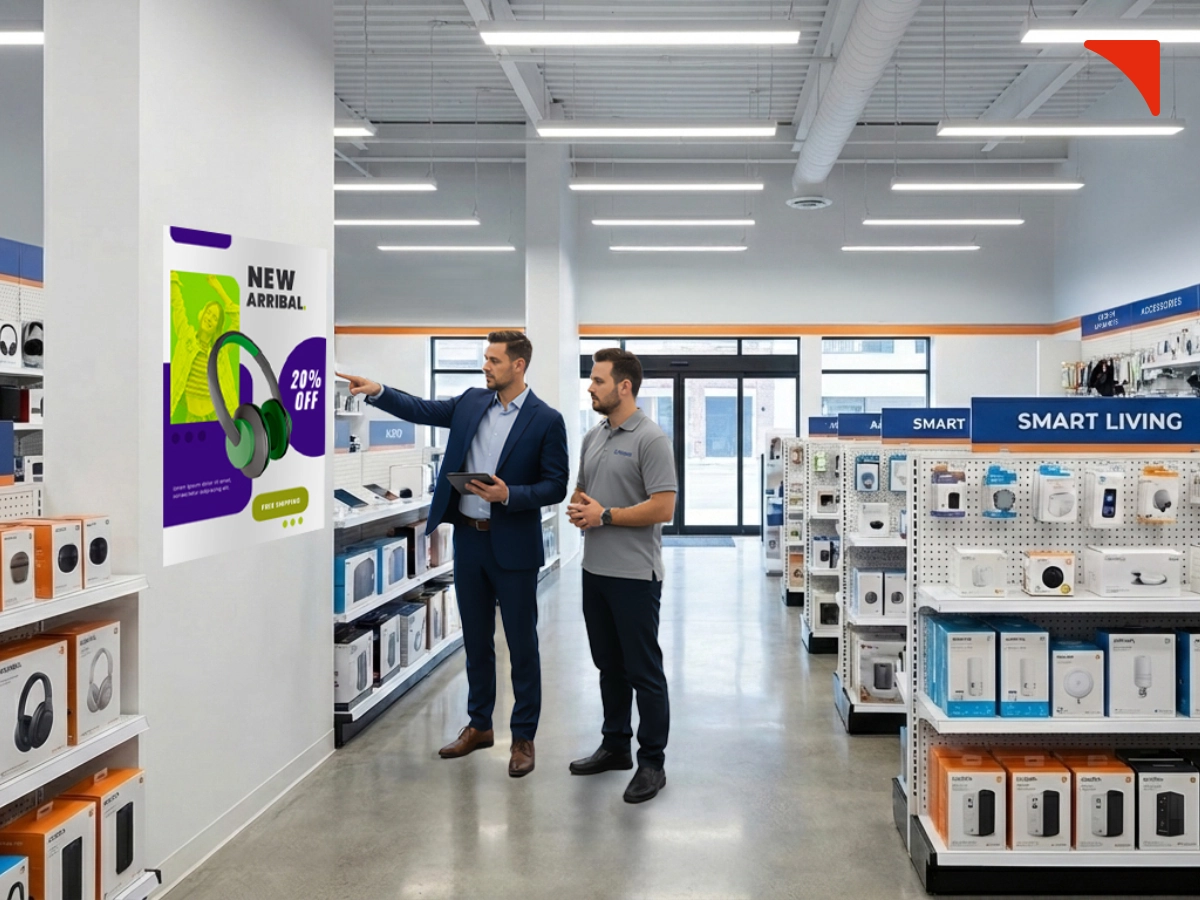
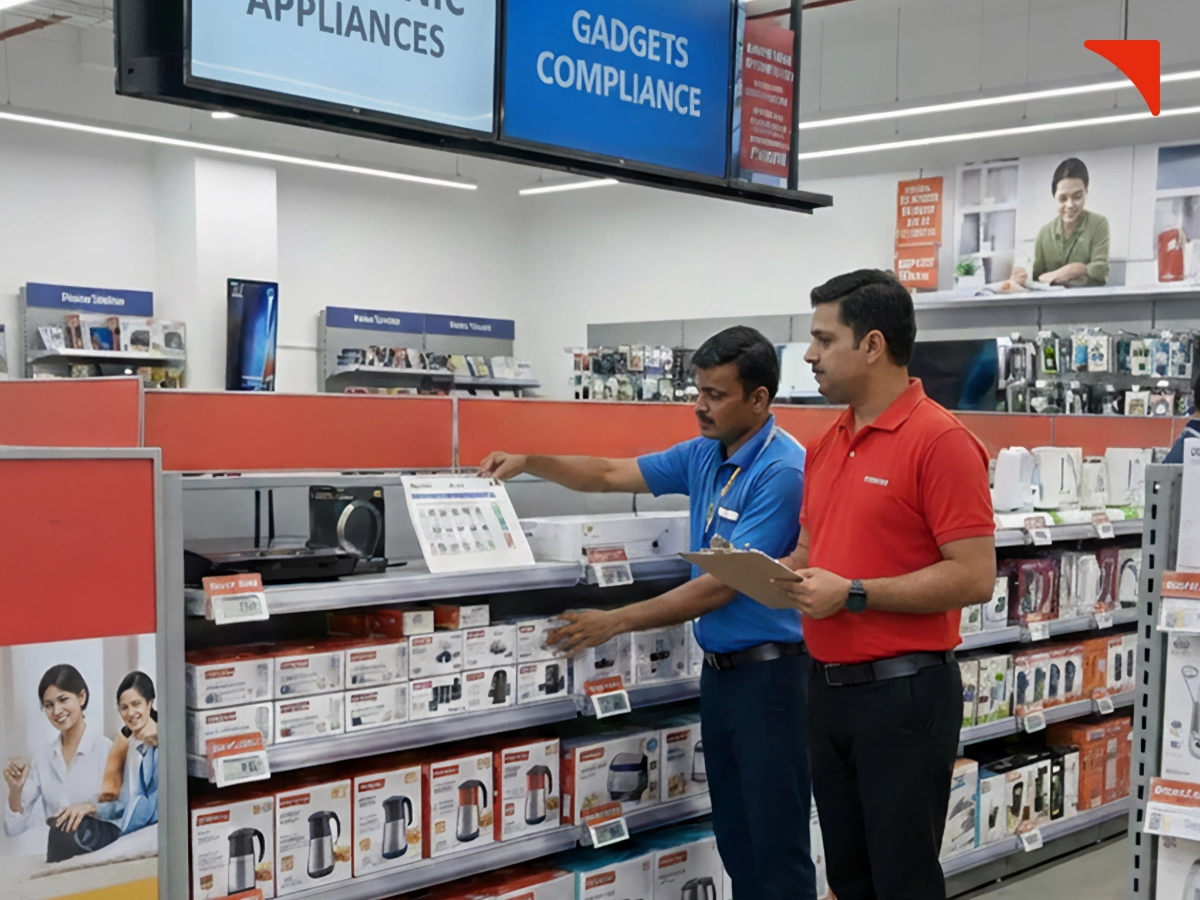
  • Purpose: A retailer might consider conducting a merchandising and promotional audit in order to ensure that the products are displayed according to the planogram and all the promotional materials are correctly implemented at their proper place.
  • Focus: Merchandising audits generally focus on shelf placement, pricing, stock levels, product condition, signage, etc. In other words, they mainly focus on the overall visual appeal of a retail space.

3. Health and safety audits

Health and safety audits
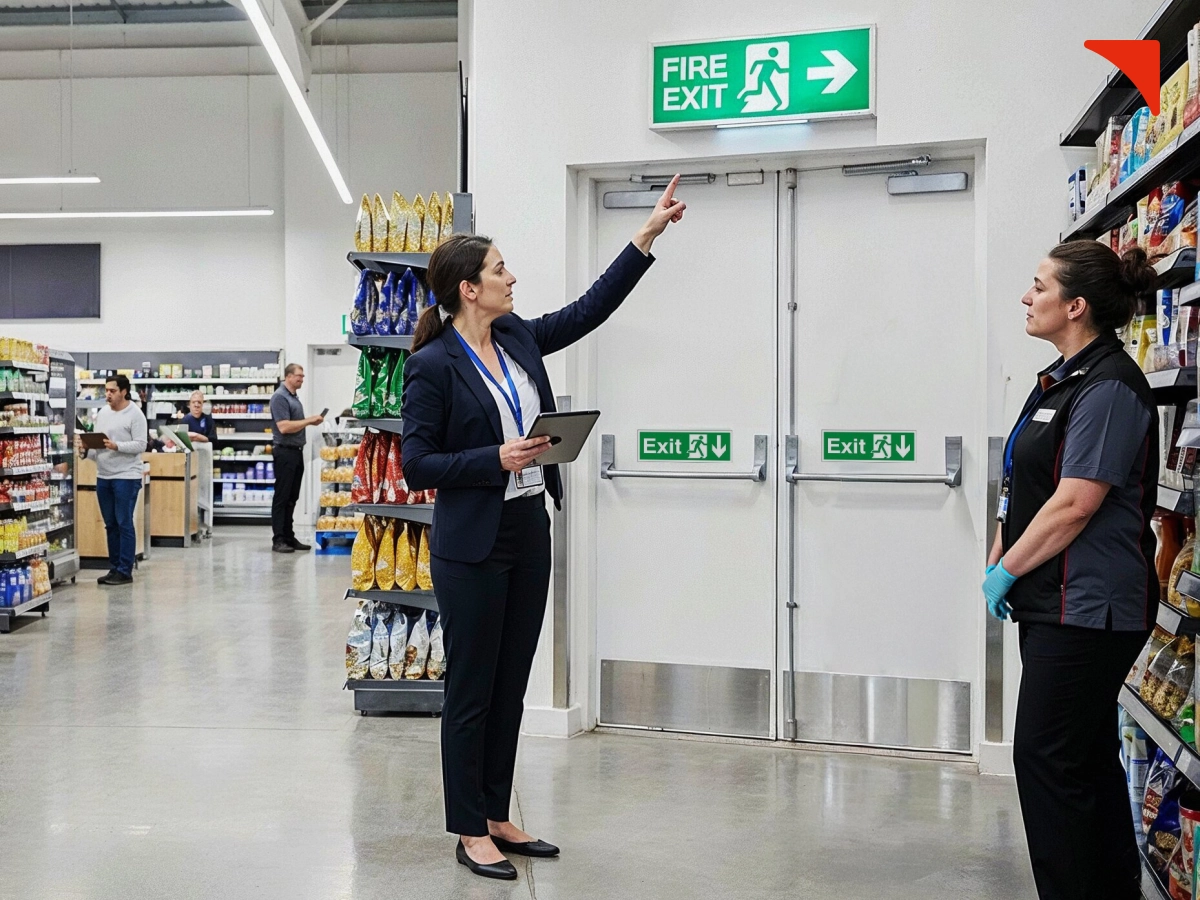
  • Purpose: Conducting health and safety audits is one of the mandatory steps that a retailer should never skip. It helps them ensure that both their retail space along with its products comply with all relevant health and safety rules and regulations.
  • Focus: Audits that focus on health and safety usually take into consideration various related factors, such as compliance with product handling, hygiene standards, and general workplace safety regulations. These audits are carried out considering both employees and customers in mind.

4. Loss prevention retail audits

Loss prevention retail audits
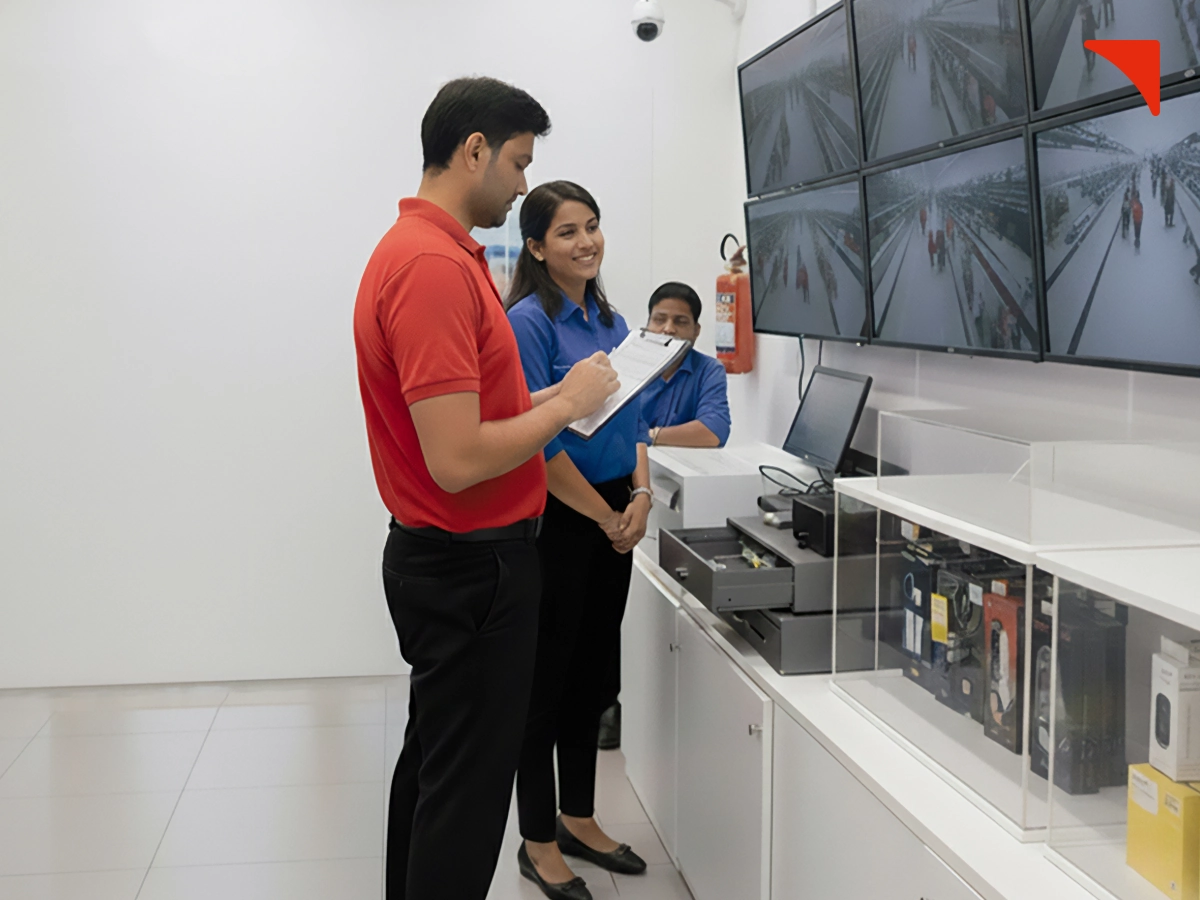
  • Purpose: As the name clearly suggests, loss prevention audits are carried out to identify any possible losses including the ones from theft, shrinkage, waste, and policy violations and further taking corrective measures to reduce them.
  • Focus: Retail auditors, while conducting loss prevention audits, usually focus on security measures, cash handling, and other processes in place to minimize potential risks.

5. Customer experience and mystery shopping audits
Customer experience and mystery shopping audits
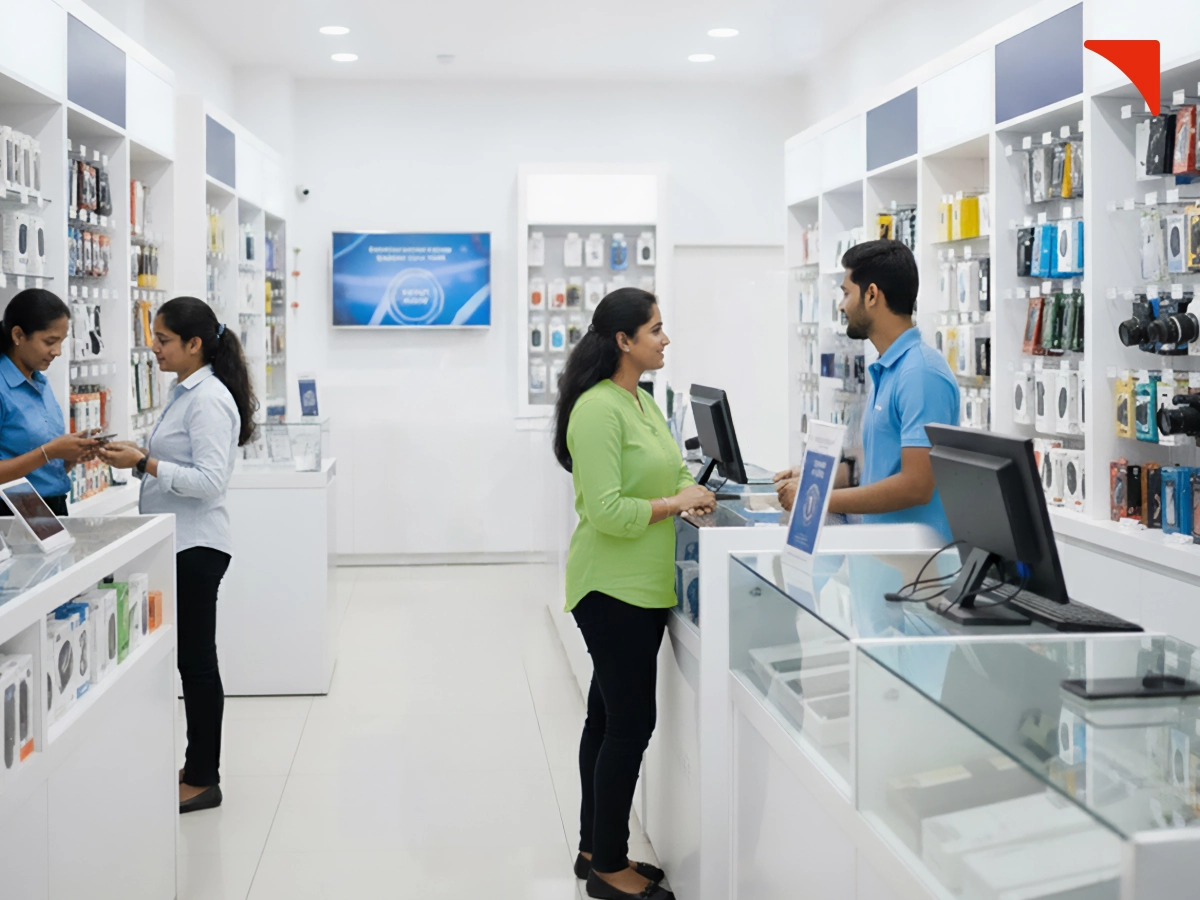
  • Purpose: When a retailer wishes to evaluate the customer’s journey and overall satisfaction with the store and its staff, they will opt for customer experience and mystery shopping audits.
  • Focus: The main focus behind customer experience audits is to determine service quality, staff interaction, wait times, store cleanliness, and the overall shopping experience of customers.

Advantages Of Opting For Reliable In-store Retail Audit Services!

Retail audits and maintenance, if done in an appropriate manner and on a regular basis, provide numerous advantages to retailers. Mentioned below are a few main ones.

1. Operational and financial benefits
Operational and financial benefits
  • Improve operational efficiency: Regular audits can help retailers identify inefficiencies in store operations like issues in product placement, cleanliness, staff training gaps etc. Taking corrective measures will further result in a smoother operational process.
  • Boost sales: Clearly, if the store will operate seamlessly and everything will be on its place, retailers will not just experience boosted sales but will be able to retain their customers as well.
  • Reduce costs: Regular retail audits and maintenance help brands identify waste, resolve inventory mismatches, and prevent losses, further allowing them to cut unnecessary costs.

2. Strategic and brand benefits

Strategic and brand benefits
  • Ensure brand consistency: Retail store auditors will ensure that all outlets, irrespective of the size and location, adequately meet the brand standards and provide the customer with a consistent experience.
  • Enhance customer experience: Agencies that provide retail audit and maintenance services focus on areas like customer service, store layout, and product availability. This further helps the brand establish a more positive shopping experience for customers, leave a lasting impact, and foster loyalty.
  • Support data driven decisions: Through audits, retailers can collect and access accurate, real world data related to their store performance, merchandising, and customer experience. This data does not just help the management make informed strategies and decisions, but also helps in terms of brand strategy consulting.

3. Compliance and risk management

Compliance and risk management
  • Ensure regulatory compliance: When retailers get their stores audited regularly, they can confirm whether they are following all the legal requirements, including health, safety laws, and other regulations. If something is missing, they can further look into the matter and get it solved right there in order to avoid any legal risks.
  • Prevent loss and fraud: Audits are extremely crucial for preventing future losses and addressing theft and fraud. Pre identifying these risks can save businesses from financial losses.
  • Verify contract compliance: Retail brands can opt for store audits to ensure that their dealers/franchise owners are complying with the required agreements.

Winding Up

Retail audits might seem to be a routine task, but we cannot ignore the fact that the clarity they provide can actually make a meaningful difference in everyday store operations. By regularly checking what’s happening on the shelves, brands can stay connected to what their customers are experiencing and can further take quick corrective measures when something isn’t working in a way it is expected to do.

Retail audits provide various advantages and further act as a practical guide for continuous improvement. If done in an appropriate and consistent manner, they can help brands maintain customer trust, make mindful decisions, and establish a smoother retail journey for both their shoppers and staff as well.

Rate Us:
(Average Rating : 5.0, out of 5. 2 reviews)
Share
FAQ
Is there any difference between retail audits and routine store inspections?
Yes, store audits are different from routine inspection. Audits are not just checklist driven. Instead, they are diagnostic and strategic due to which brands can be informed about why gaps exist, how they impact sales or brand perception, and what corrective actions align with long-term brand strategy. On the other hand, store inspections majorly confirm compliance.
How frequently should brands conduct retail audits to experience measurable impact?
The frequency of conducting retail audits basically depends on the type of store format, size of the business, and volatility. However in general, stores with heavy traffic can benefit from monthly audits whereas stable formats may perform well with quarterly audits.
Can retail audits directly influence sales performance?

Yes! Retail audits help brands uncover hidden friction points, including poor shelf visibility, pricing mismatches, or low staff engagement. All these aspects silently suppress conversions. When brands get informed about these and take corrective measures, they experience a significant uplift in basket size, impulse purchases, and repeat visits.

How do merchandising audits improve customer perception without increasing costs?

There are different types of retail audits and merchandising audits are one of them. They focus on optimizing existing shelf space, signage placement, and product adjustments that further improves visibility and clarity, that too, mostly without adding new fixtures and displays. As a result, the brand is able to provide a more intuitive shopping experience to visitors without incurring any additional costs.

RECENT POSTS
The Future of Retail Store Planning: Predictions for 2030 and Beyond

Discover how data-driven retail store planning evolves in 2030 with flexible, sustainable design

Read More
Why Retail Store Audits Need to Go Beyond Presence

Discover why store audits should measure more than presence to boost efficiency and revenue.

Read More
Is Your Retail Store Expansion Strategy Fueling Growth or Adding Risk?

Discover why a non-strategic retail expansion can add risks instead of fueling growth

Read More
How In-Store Retail Audits Strengthen Brand Strategy and On-Ground Execution

Discover how strategic in-store retail audits help drive brand performance and consistency.

Read More
Innovations in Service Station Design for Multi-Energy Mobility Hubs

Discover how innovations in service station design will evolve multi-energy mobility hubs.

Read More