
We are all aware of the fact that retail audits have always played a very important but a bit specific (limited) role in helping retailers manage their stores. They answered various simple questions including, is everything within the store in place, are the displays properly installed, is the signage visible from a favourable distance, etc. Well, this approach of checking the boxes was a hit at sometime, but is no longer enough in today's hyper competitive world.
Retail now is all about shrinking attention spans, rising execution costs, and increasing pressure to prove return on investment. Not just confirmation of presence but today's retail leaders need more than that. Instead, they actually need insight into impact and are more concerned about how design decisions and execution quality influences the in-store behavior of their shoppers, brand perception, and ultimately sales. Considering this, it is crucial for retail audits to evolve from compliance tools into performance driven instruments that facilitate smarter decisions across the entire store ecosystem.
What Are The Limits of Presence Based Audits?

Audits that are completely based on presence mainly focus on a binary outcome. All they consider is, yes or no, installed or missing, compliant or non compliant, etc. This data is undoubtedly very easy to capture and report. However, we also cannot ignore the fact that it does not or rarely explain why a store is underperforming and does not highlight any aspects that need improvement. Understand this better with some simple examples:
The issues mentioned above can never be highlighted in audits that just stop at presence. Also, in an era where retail investments are inspected more closely than ever, conducting these types of audits will provide retailers with very limited value. This is because they confirm effort, not effectiveness.
What Is The Relationship Between Retail Design & Execution and Audits?
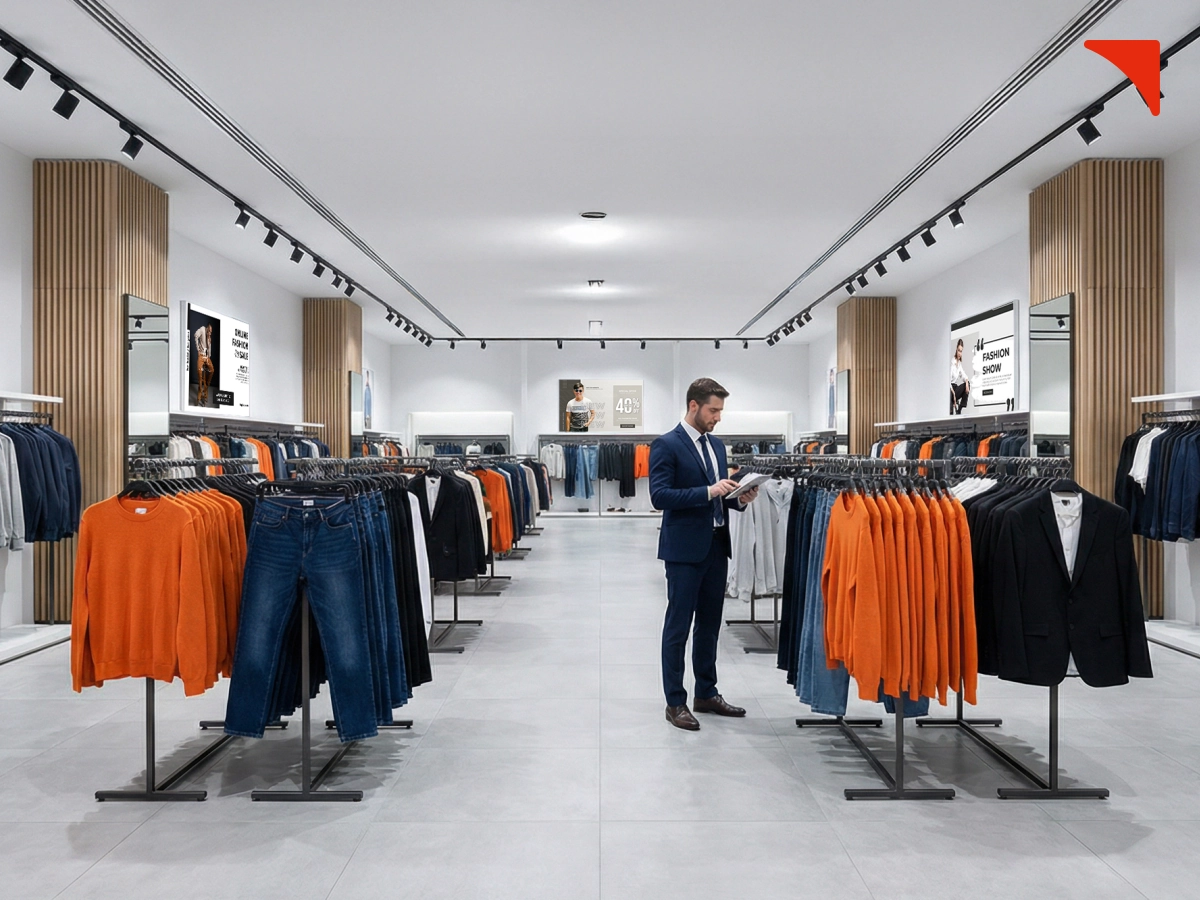
The concept of design and execution in retail is not just about aesthetics. Instead, it is a strategic tool that shapes how shoppers perceive the space and interact with it. Clearly, when the quality of design and execution standards is ignored while auditing the store, it is equivalent to overlooking the two biggest variables that separate a high performing store from an average one. In order to measure impact, retailers need to ask deeper questions like the ones mentioned below:
When retailers evaluate these factors, they will notice that audits will start revealing correlations between store conditions and commercial outcomes. In addition, this will also help them strengthen their retail operations management system as well.
Measuring What Shoppers Actually Experience
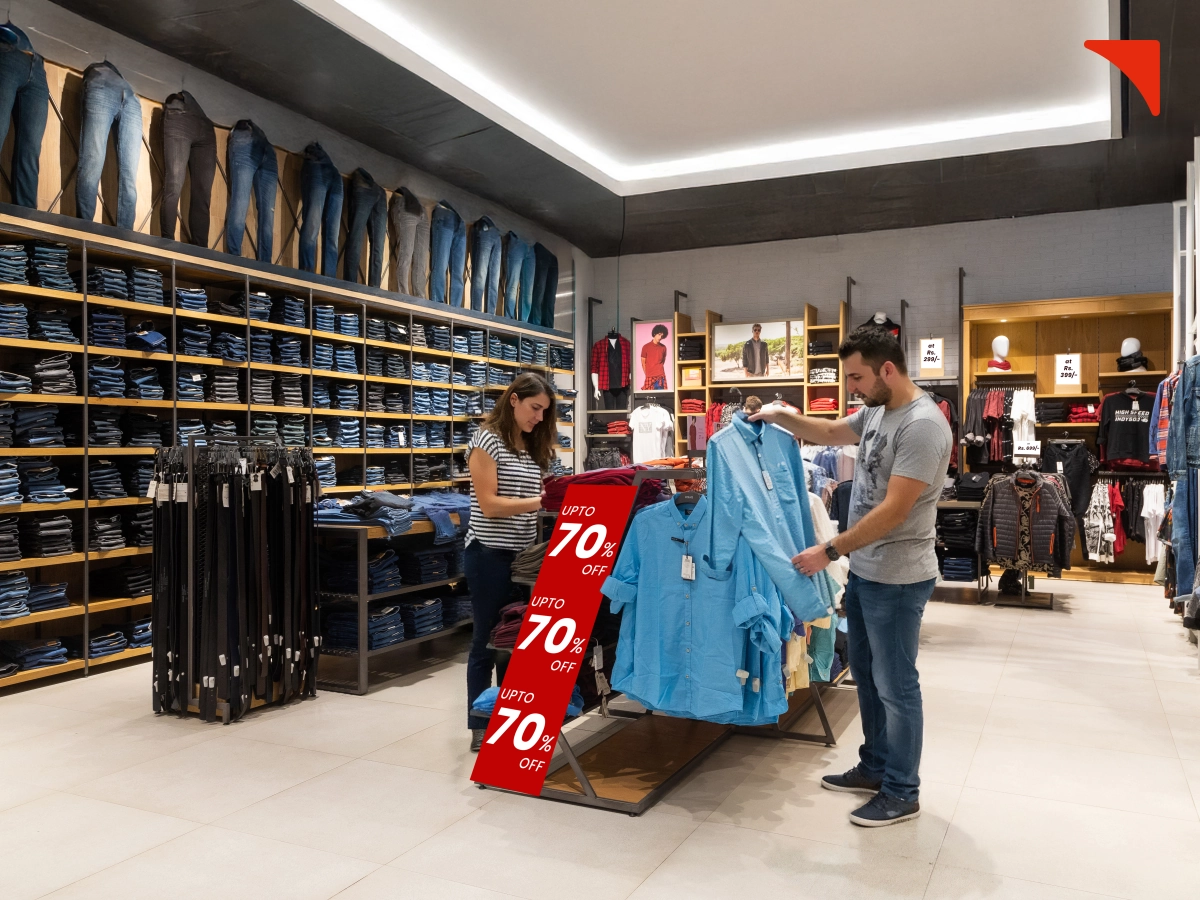
You will have to agree to the fact that shoppers do not experience stores in checklists. Instead, they experience them in a holistic manner, through a combination of layout, visual hierarchy, messaging clarity, and execution quality. Hence, retail store audits should also aim at measuring impact in order to mirror this reality. Doing so will help retailers get an understanding of whether their in shop branding just exists or is truly landing with customers.
Reducing Waste and Improving ROI
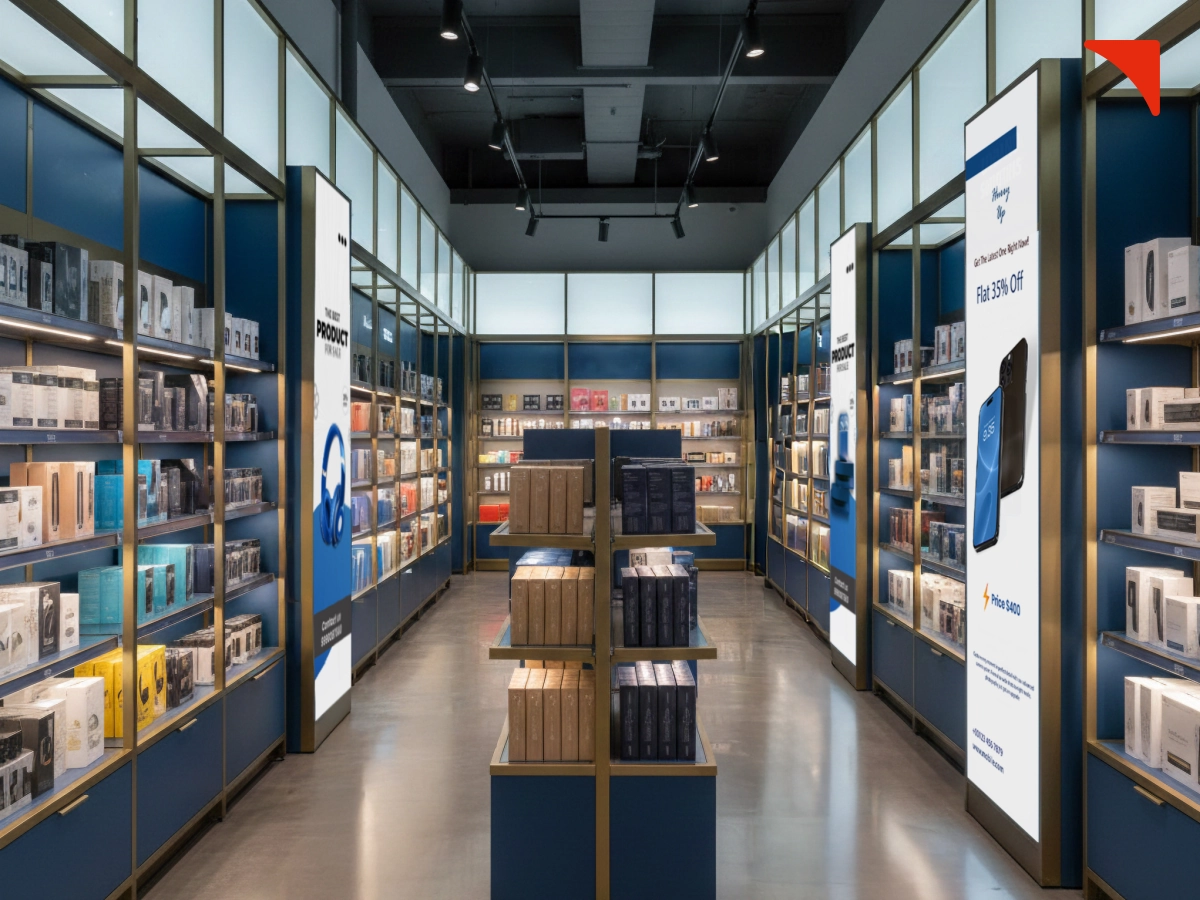
Waste reduction is indeed one of the most overlooked benefits of impact based audits. When brands focus only on presence and measure it alone, they might end up responding to underperformance by producing more materials, adding more signage, executing new displays, or increasing their rollout scale.
This was about presence based audits. Talking about the ones that measure impact, they reveal a completely different truth, including poor placement, inconsistent assembly, or misaligned design. All these issues have the capability to neutralize even the best creative works. In case brands are able to identify these execution gaps early, they can:
Validating Design Before Scaling
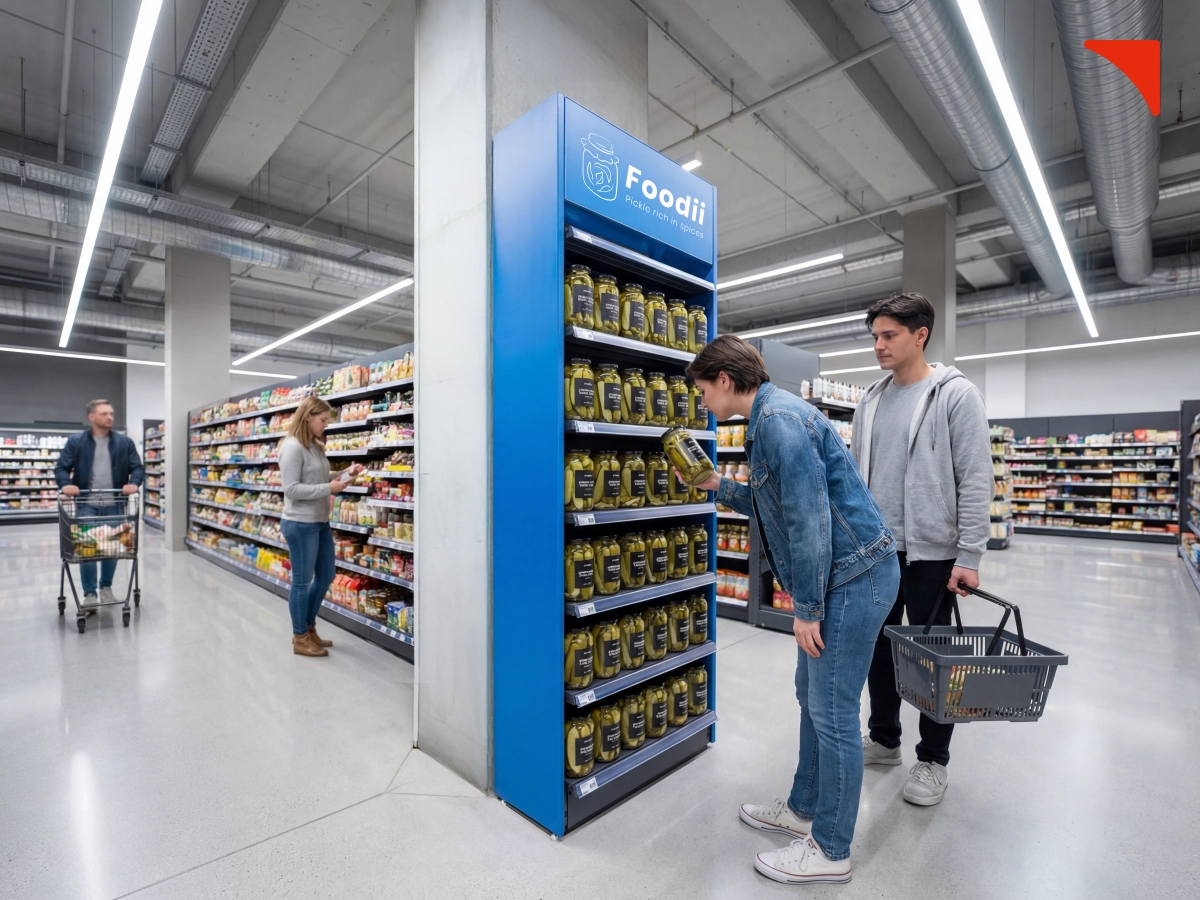
Retail audits should play a critical role in validating design concepts before they are scaled across hundreds or thousands of stores. Pilot launches, when paired with impact measurement, become learning opportunities rather than mere test runs.
Instead of asking whether a pilot was executed correctly, brands can ask:
These insights help teams refine both design and execution playbooks, ensuring that scaled rollouts are informed by evidence rather than assumptions.
Strengthening Cross Functional Alignment
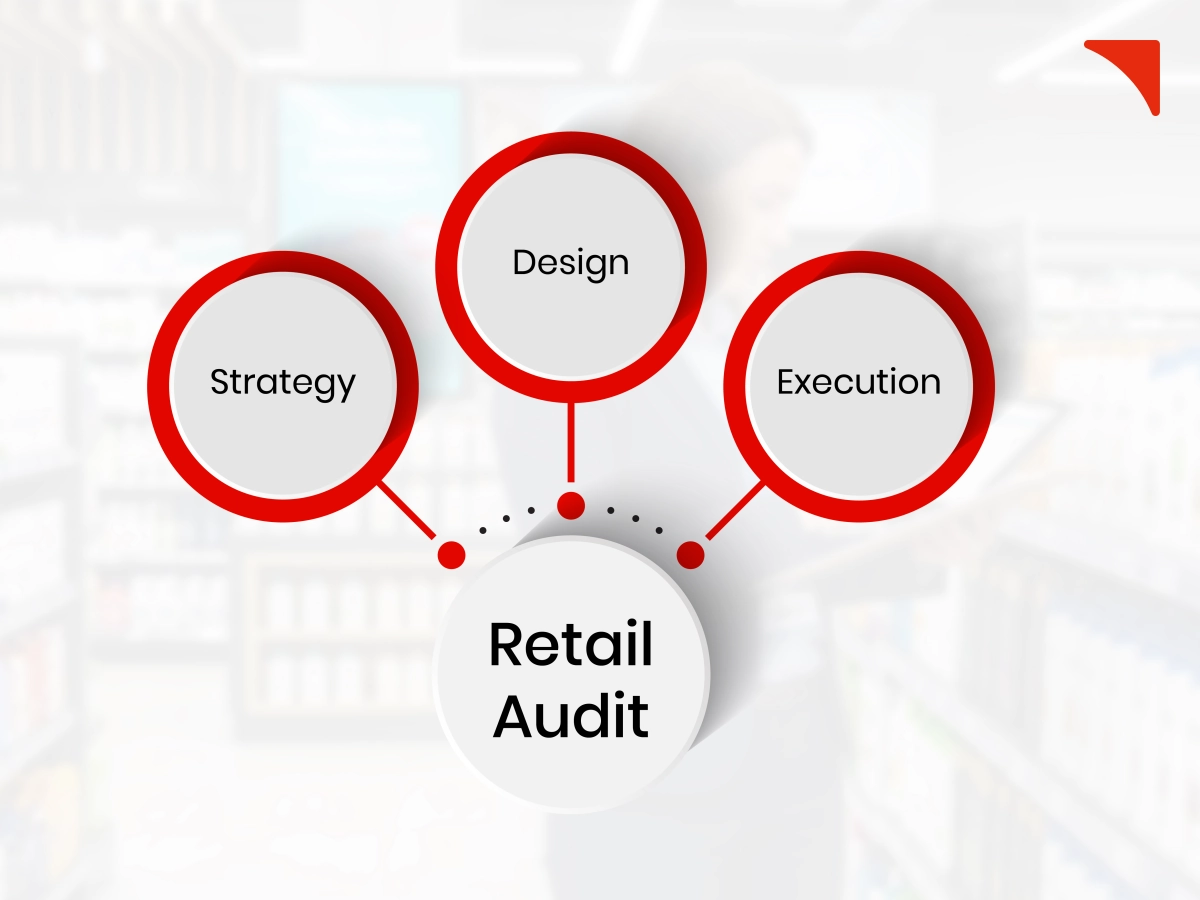
Retail store audits that are focused on impact rather than presence also improve the collaboration between strategy, design, operations, and field teams. Because clearly, when audits capture meaningful performance data, conversations no longer remain a blame game but actually convert into problem solving sessions. All teams are able to align with each other that further supports effective retail operations management.
From Presence to Performance
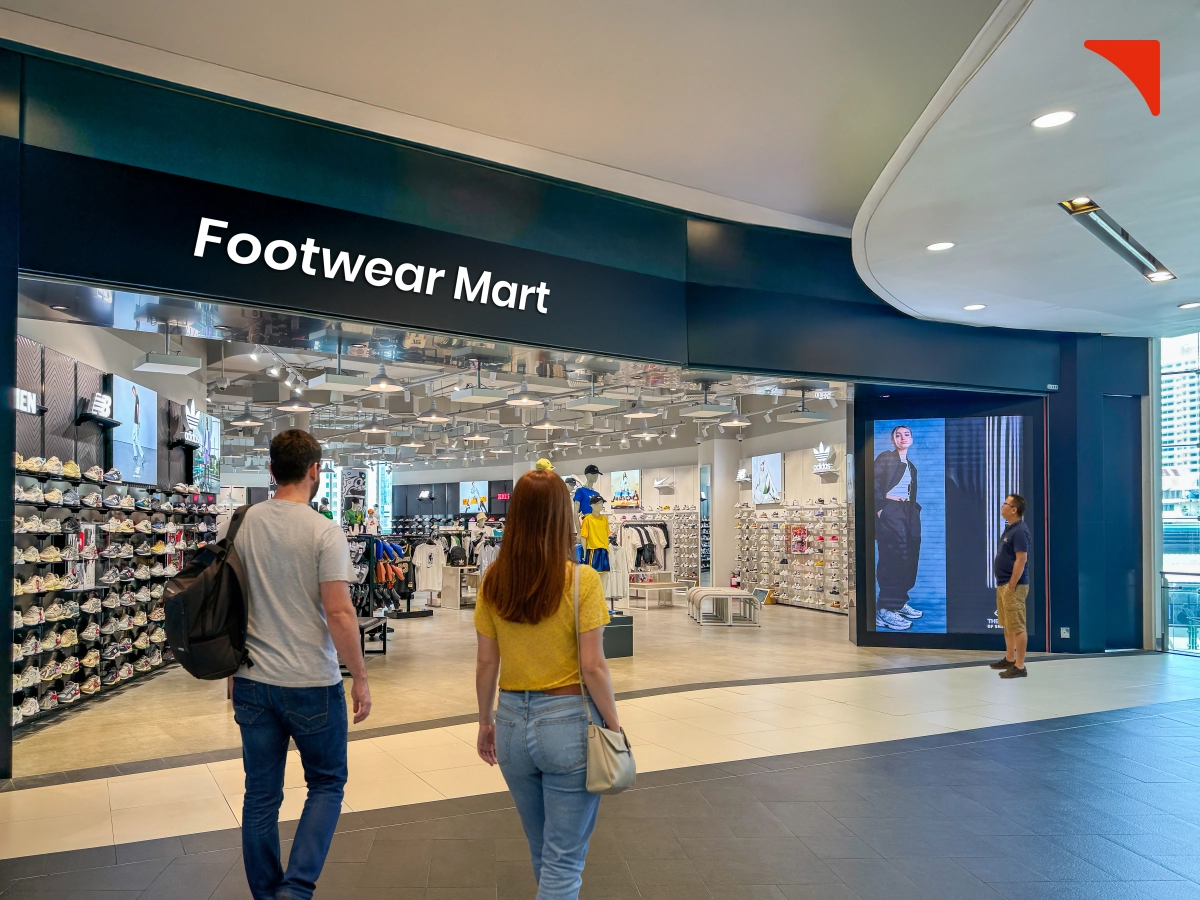
From the content above, it is clear that the future of retail audits actually lies in their ability to guide decisions and not just confirm functionality and compliance. As retail environments today grow very complex and the investment inspection increases, retail brands that evolve with their audit frameworks will surely gain a significant advantage. They will be able to move beyond knowing what is present inside the store and will actually be able to understand what factors work and why, and what don't. Because clearly, in this competitive retail landscape, the shift from presence to performance is not just an option. Instead, it is essential.