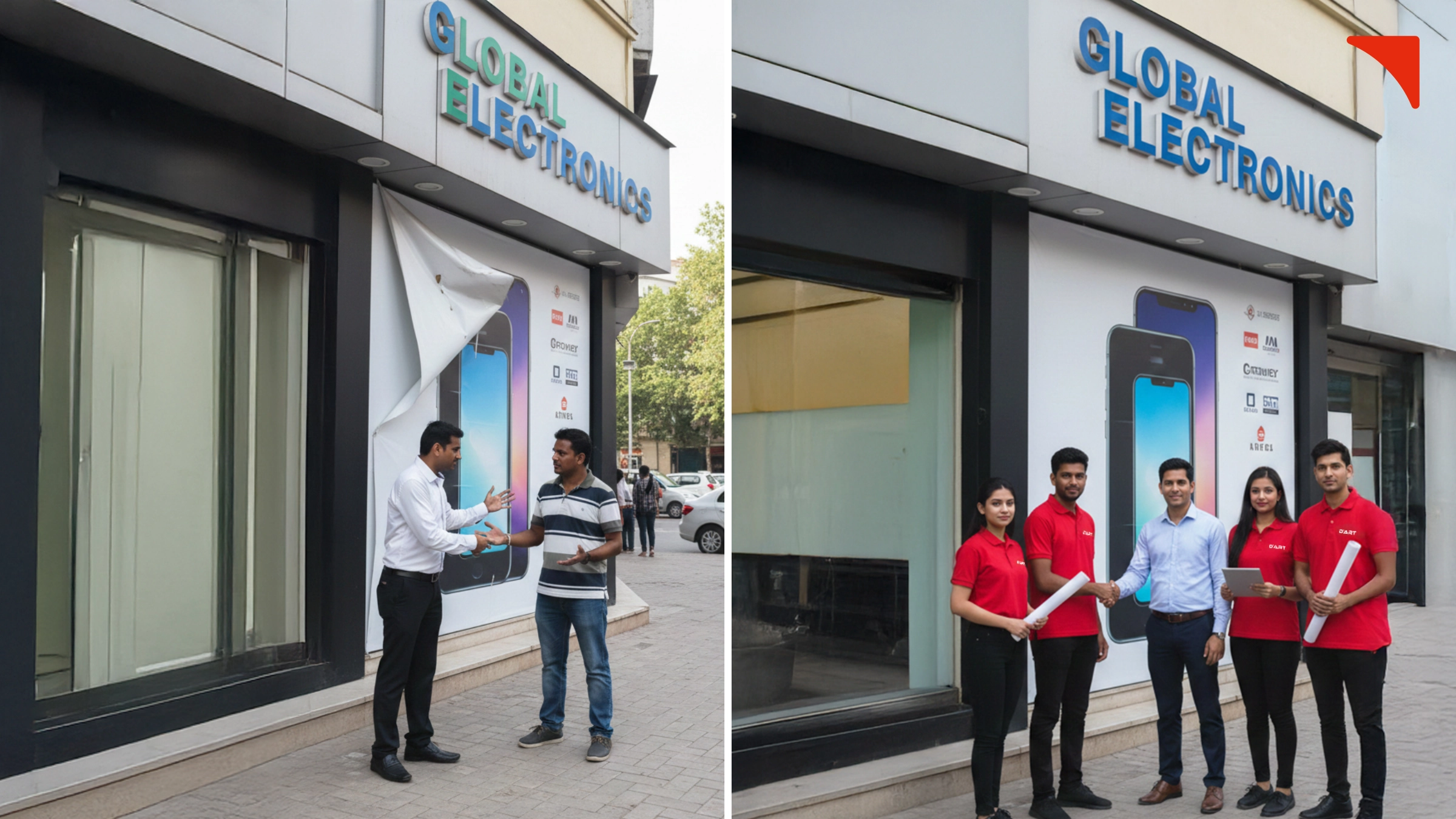
Brands are no longer left with the option to evolve. Instead, in this rapidly evolving world of retail, it is a necessity for them to redefine how they appear in the physical world. As online first businesses venture into brick and mortar, and established retailers scale across different markets, they will constantly come across one common challenge: how to maintain brand consistency, efficiency, and experience quality across every new store.
For many brands, the default solution has long been a network of vendors — each handling a specialized task. But because of the complexity of retail expansion, this model isn’t working as effectively as expected. It is continuously showing cracks due to which more and more brands are constantly recognizing that different vendors alone can never deliver the cohesion and strategic alignment that is required for modern retail growth.
As a result, they are now turning to retail branding and marketing agencies like D’Art: integrated partners in business growth that combine strategy, design, manufacturing/procurement, execution, management, and handover under one roof. This shift does not just represent a change in executional preference but instead a transformation in how modern brands perceive growth, consistency, and customer experience.
The Vendor Model: Discovering the Strengths and Shortfalls
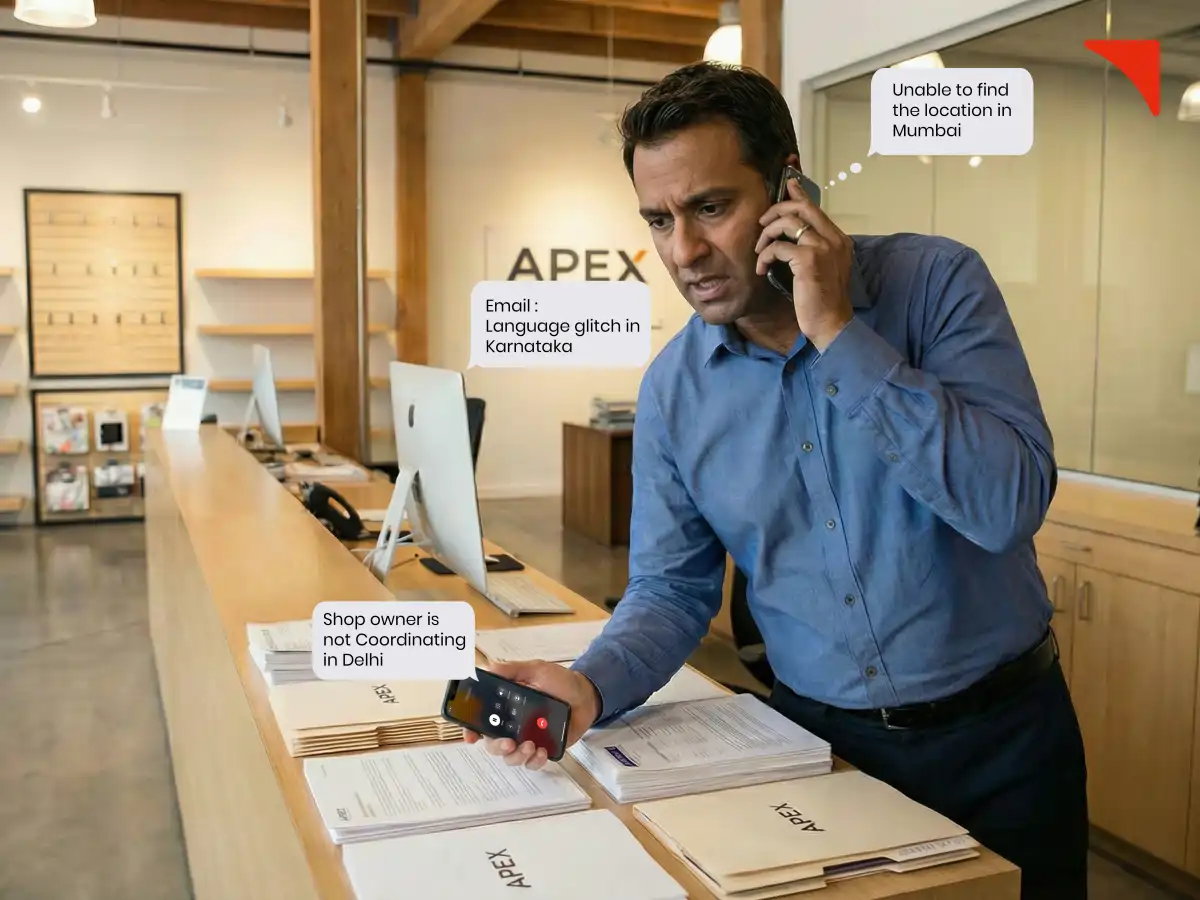
Vendors undoubtedly play an essential role in the retail ecosystem. They are usually experts in fabricating fixtures and displays, producing signage, or installing equipment. However, we cannot ignore the fact that vendors usually have a transactional focus instead of a strategic one. Also, every vendor has and is responsible for its own scope of work, timelines, and deliverables.
This system might work efficiently in the case of a small scale retail project. However, as the brand expands, the gaps become clearly evident. Mentioned below are a few points that support this statement.
1. Fragmented accountability
In a multi-vendor setup, the concept of accountability is spread across a large number of people. In case of slipped schedules, different materials across different locations, or varied quality standards, retail brands do not have a single point of ownership/accountability that they can reach up to. This further results in confusion, delays, and a cycle of reactive problem solving.
2. Inconsistent brand execution
Even though a brand might provide detailed design manuals, vendors do interpret guidelines in a different manner. Irrespective of the fact that there might be minor inconsistencies like the shade of lighting, the alignment of graphics, and the finish of fixtures, they can significantly dilute a brand’s identity. For customers, these inconsistencies translate into an uneven retail experience and a weakening of trust.
3. Inefficiency and communication overload
Retail teams will often remain occupied in managing multiple vendors, juggling coordination calls, and reconciling progress updates. The time they invest in aligning diverse suppliers and contractors often vanishes any perceived cost savings. Also, this does not just stretch and stress internal resources of a brand and slows down its retail expansion, but also affects the regular operations and other tasks.
4. Hidden costs and delayed scalability
The setups that are led by vendors appeal to retail brands as they seem cheaper at first. However, fragmented execution further leads to rework, quality issues, logistical inefficiencies, and miscommunication during coordination. Clearly, scaling across new or even existing markets under such conditions becomes unmanageable, expensive, and prone to errors.
Why the Agency Model Is Emerging as the Smarter Alternative
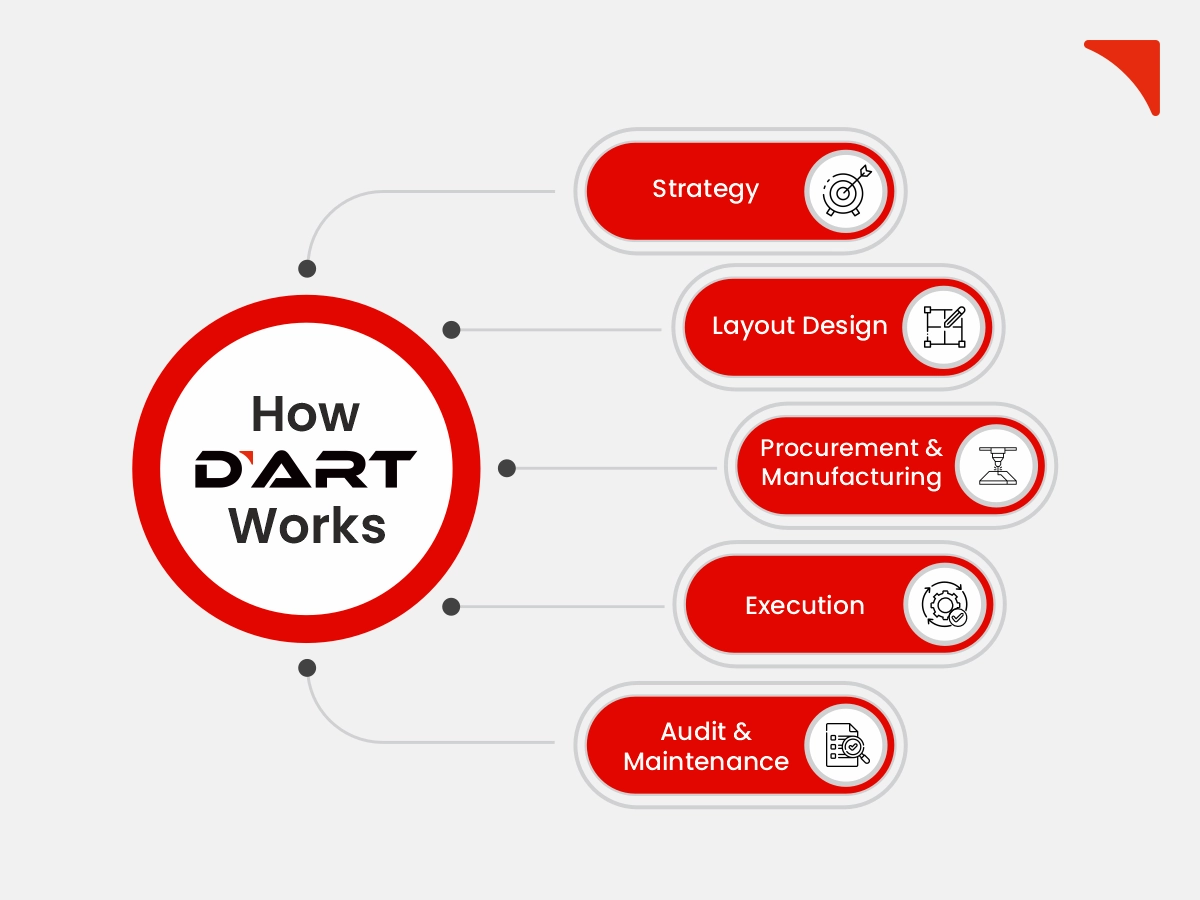
Any agency that provides services that assist retailers in expanding their brand to new locations and discovering fresh formats acts as an integrated ecosystem. Agencies, unlike vendors, approach retail expansion as an end to end partnership. This is why they combine strategy, design, procurement, and operations into a cohesive, managed process. Here’s how that changes everything.
1. Unified accountability and visibility
When retail brands hire an agency to facilitate their expansion, it acts as the single point of accountability, starting from concept to completion. Brands are provided with one partner that manages timelines, budgets, and outcomes. This centralization further eliminates the confusion of multi-vendor setups and allows brands to access a clear, real time picture of the progress.
2. Brand consistency by design
Brand consistency is not just a design concern; it’s a business issue.
Unlike vendors, agencies are structured to think in a way similar to brand custodians. They develop and establish standardized brand guidelines, source consistent materials, and ensure quality control across markets and formats. Irrespective of whether the store is opening in Delhi, Mumbai, or even Dubai, an agency will ensure that the visual language and experience remain uniform across every location. And clearly, this is indeed one of the most important factors required to maintain brand equity.
3. Strategic alignment over transactional delivery
Vendors always focus on executing tasks and getting them done. However, agencies, on the other hand, begin by understanding brand strategy. They first discover the “why” behind each store. An integrated retail marketing and branding agency will strategically align space design, layout, and experiential elements with larger brand objectives. This will include aspects like positioning, audience perception, and business goals. Doing this ensures that every retail environment goes beyond aesthetics and serves the desired purpose: communicates the brand promise, drives engagement, and supports long term growth.
4. Efficiency through integration
In the field of retail, time is money. When expanding to new locations, the faster and more predictably a brand establishes presence in new locations, the greater competitive edge it will be provided with.
With strategy, design, procurement, and execution teams under one roof, an agency directly eliminates the scope of redundancies. As teams coordinate with each other, the scope of error reduces and timelines shorten. Also, the entire process actually becomes more predictable and scalable. This is extremely crucial in the case of multi-city or international rollouts.
5. Data-driven decision-making
From digital project dashboards and advanced CRMs to store performance analytics, modern retail agencies leverage technology to manage retail rollouts. Utilizing this data centric approach further allows the brand to keep a track of costs, identify inefficiencies, and plan future expansions with care and precision. Clearly, vendors rarely operate at this strategic or analytical level.
Beyond Execution: Building Brand Experience
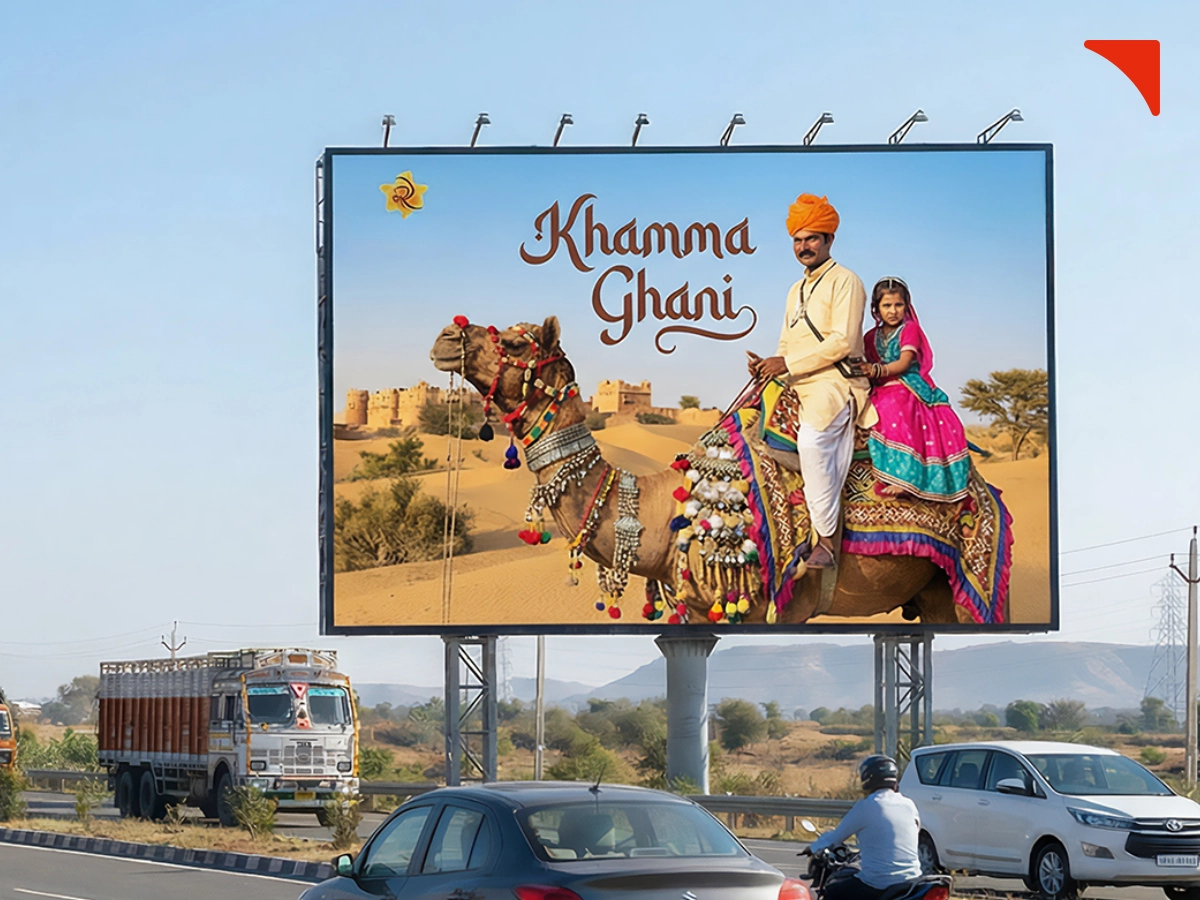
As soon as the store opens, the vendor is no longer accountable or responsible for any future circumstances. However, this isn’t the case with agencies. An integrated service provider will always understand that retail is an evolving experience and a brand should constantly adapt to customer behavior, cultural context, and marketing dynamics. And as they bring expertise in visual merchandising, space planning, and brand storytelling, they align sensory cues, design elements, and user flow with brand methods to ensure that a store does not just look right but feels right as well.
In other words, retail marketing and branding agencies help brands move from building stores to creating experiences.
The Future of Retail Rollouts
This era is all about the rise of experiential retail. Stores today don’t serve as a brand showcase but instead as a community hub. And clearly, achieving this demands precision, cohesion, and adaptability. Not vendors but retail agencies are actually equipped for this new shift. They bring multi-disciplinary thinking, cross-functional collaboration, and a unified approach that traditional vendor networks simply cannot match.
As retail becomes more experience driven, the need for integrated strategy, design, and execution is only expected to grow stronger. In this scenario, the question for the brands is no longer “Can we manage this with vendors?” but instead, “Can we afford not to have an integrated business partner?”
Final words: Scale with Strategy, Not Fragmentation
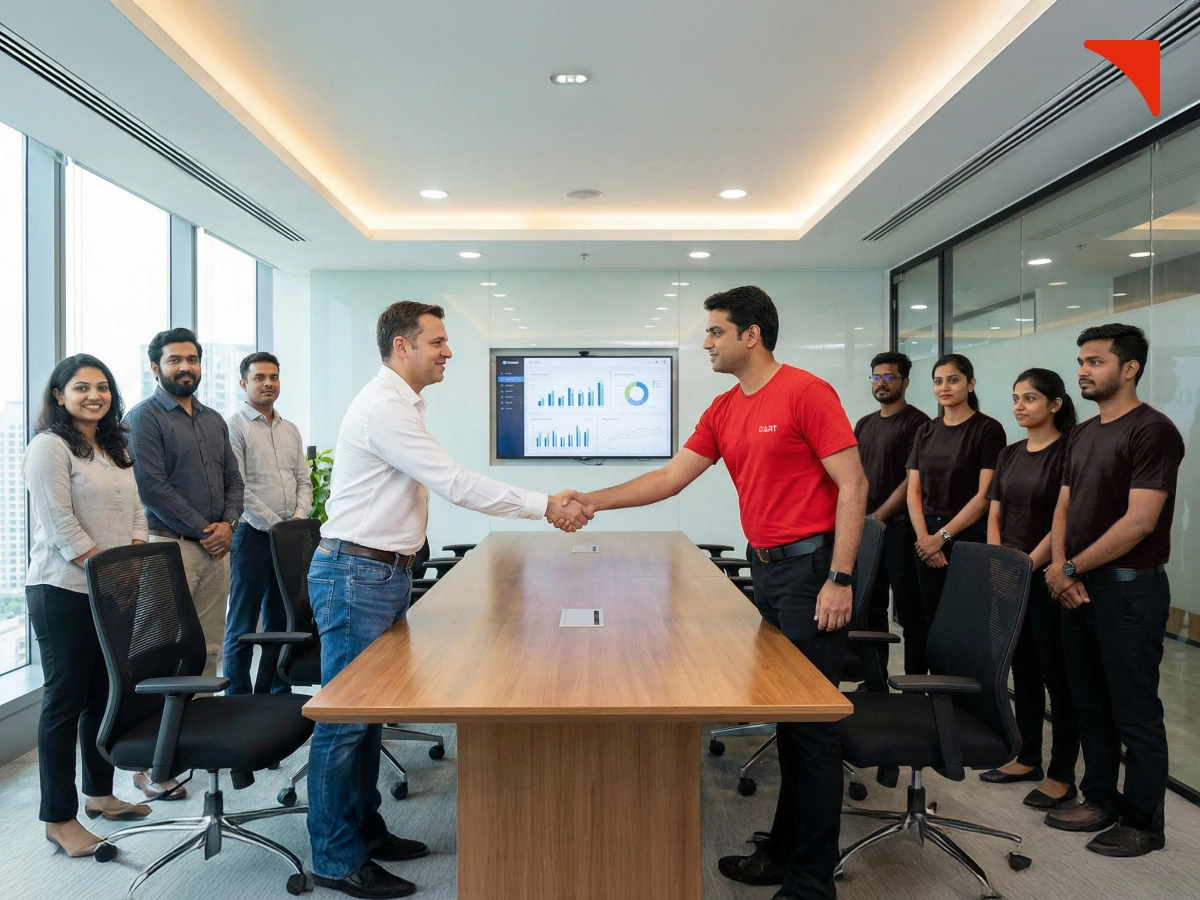
Retail expansion is indeed one of the most complex undertakings pursued by brands. It demands a perfect balance of creativity, control, and consistency. And clearly, it is impossible to achieve that balance through fragmented vendor networks.
Agencies like D’Art that provide complete retail solutions, including strategy, design, manufacturing, procurement, execution, and handover, along with strategic audit and maintenance, emerge as a savior. When opting for one, brands have a single, accountable partner who not only plans and delivers their space but also protects the brand identity, ensures cost optimization, and accelerates scalability.
In the end, the conclusion is simple and clear: In a competitive retail market like that of India, where experience defines loyalty and consistency defines credibility, vendors will help brands build outlets, whereas agencies will build brands in motion.