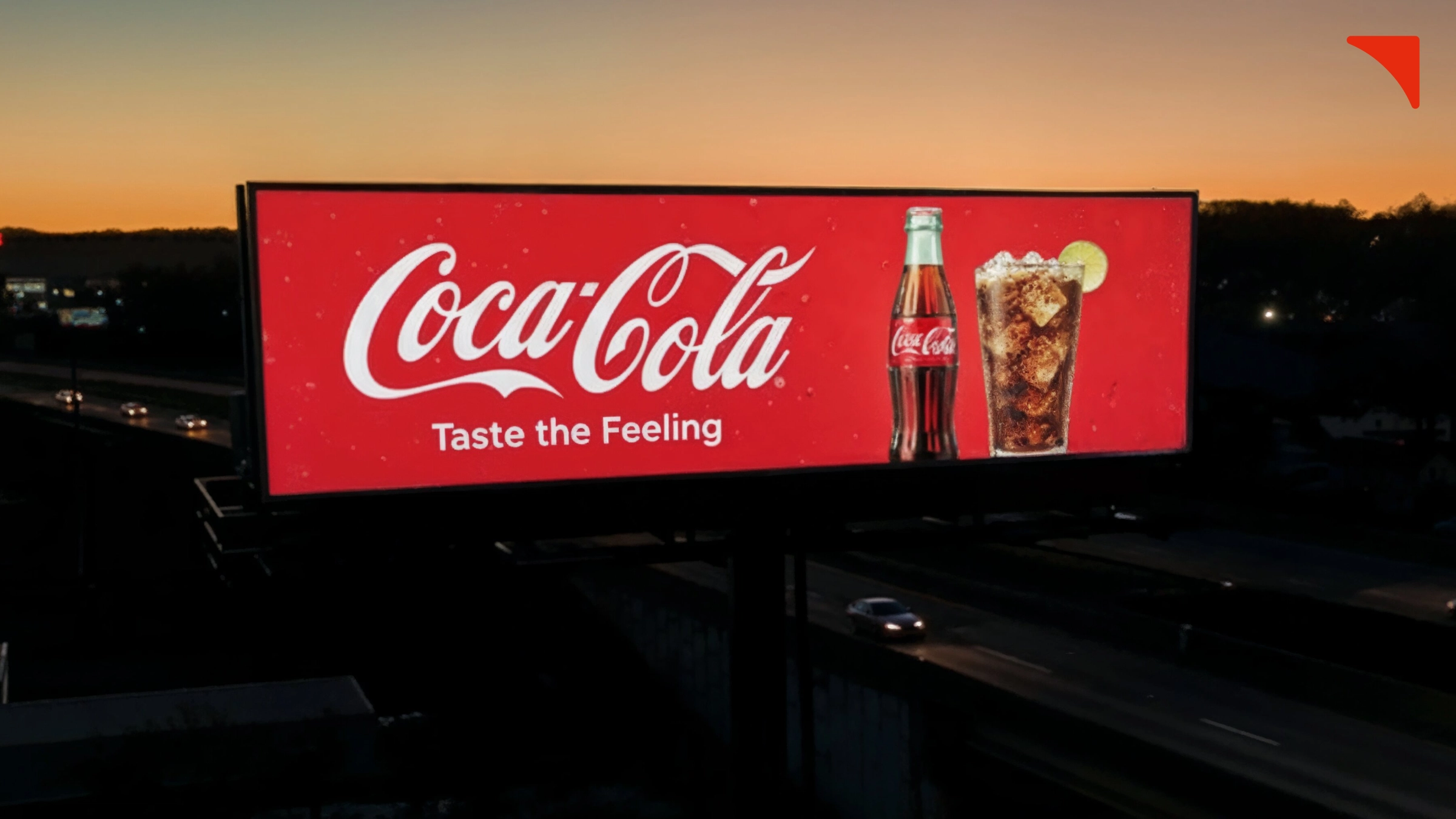
It was 8:49 in the morning when a commuter glanced up from their phone while being stuck at a traffic signal. For nearly three or four seconds, a vivid animation on a towering digital screen catches his eye. He did not click, did not like, did not comment, or perform any other action. However, the brand is now permanently imprinted in his memory. This respective moment is repeated thousands of times a day across high traffic zones. And this is exactly where digital billboard advertising quietly outperforms many flashy online tactics.
In an era that is highly obsessed with clicks and conversions, digitalized billboards focus on something more foundational, that is, brand awareness at scale. When placed in a strategic manner and powered by data, insights, and creativity, these billboards become impossible to ignore and even more harder to forget.
In this piece of content, you are going to explore a few advanced advertising strategies related to digital boards that help brands maximize visibility, recall, and impact in high traffic locations.
Why Are High Traffic Areas Considered As The Core of Digital Billboard Success?

High traffic areas are not just about volume. Instead, they are more about repetition and context. Arterial roads, commercial hubs, transit points, urban intersections, and other such locations expose the same audience to a message multiple times within a short span. There are various reasons why digital billboards thrive in high traffic zones. A few main ones are mentioned below:
Unlike mobile ads, digital board advertisements cannot be skipped or blocked. This is simply because they occupy physical space and command attention by just being present.
Strategy 1: Design for Glance, Not Gaze
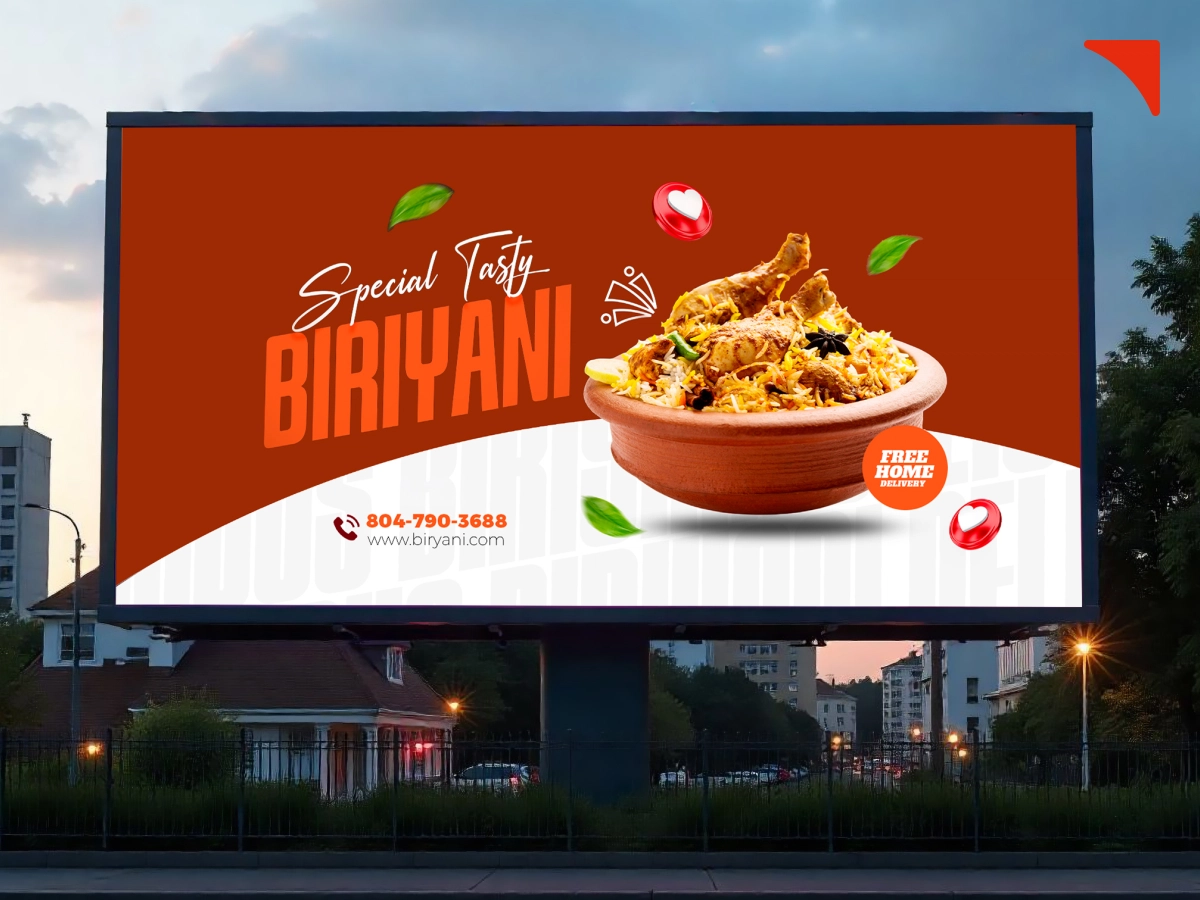
Many brands overload their digital screens with data and information. Well, this is indeed one of the biggest mistakes that they make because clearly, in high traffic areas, the attention span of the viewers does not exceed more than 2 to 5 seconds. If they wish to achieve and establish effective billboard creatives, they can consider the following tips:
Brands need to ensure that the motion should enhance clarity and does not distract users from it. Hence, instead of complex video loops, they should opt for subtle animations like moving highlights or smooth transitions, as they often perform better.
Strategy 2: Use Contextual and Location Based Messaging
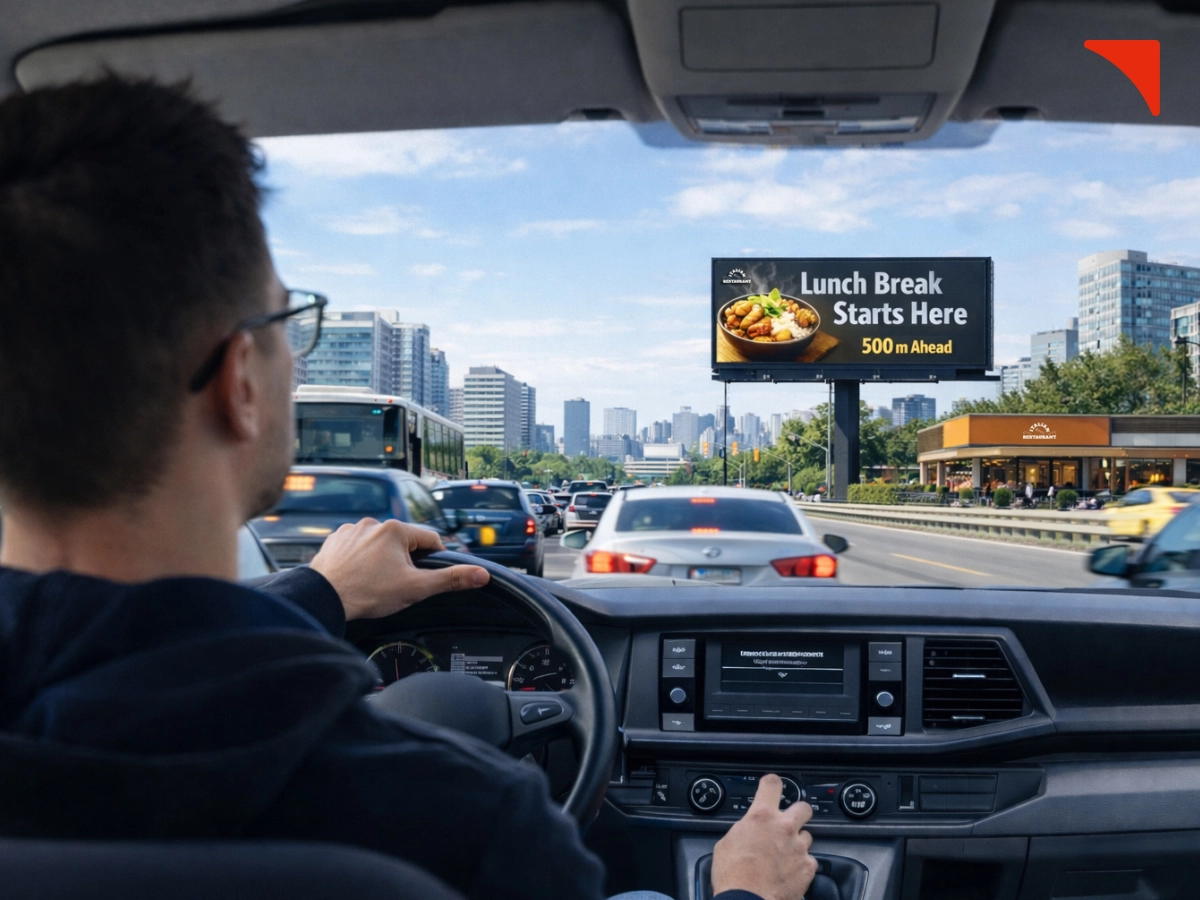
One of the key benefits of using digital billboards is that brands can easily adapt their messages and content based on location, target audience, seasonality, and any other specific requirements. These features are clearly not available in case a brand opts for static outdoor advertising.
When an organization utilizes customized messaging based on contextual relevance, it automatically increases its message resonance and further makes the brand feel timely and intentional rather than distractive and annoying.
Strategy 3: Dayparting to Match Audience Behavior
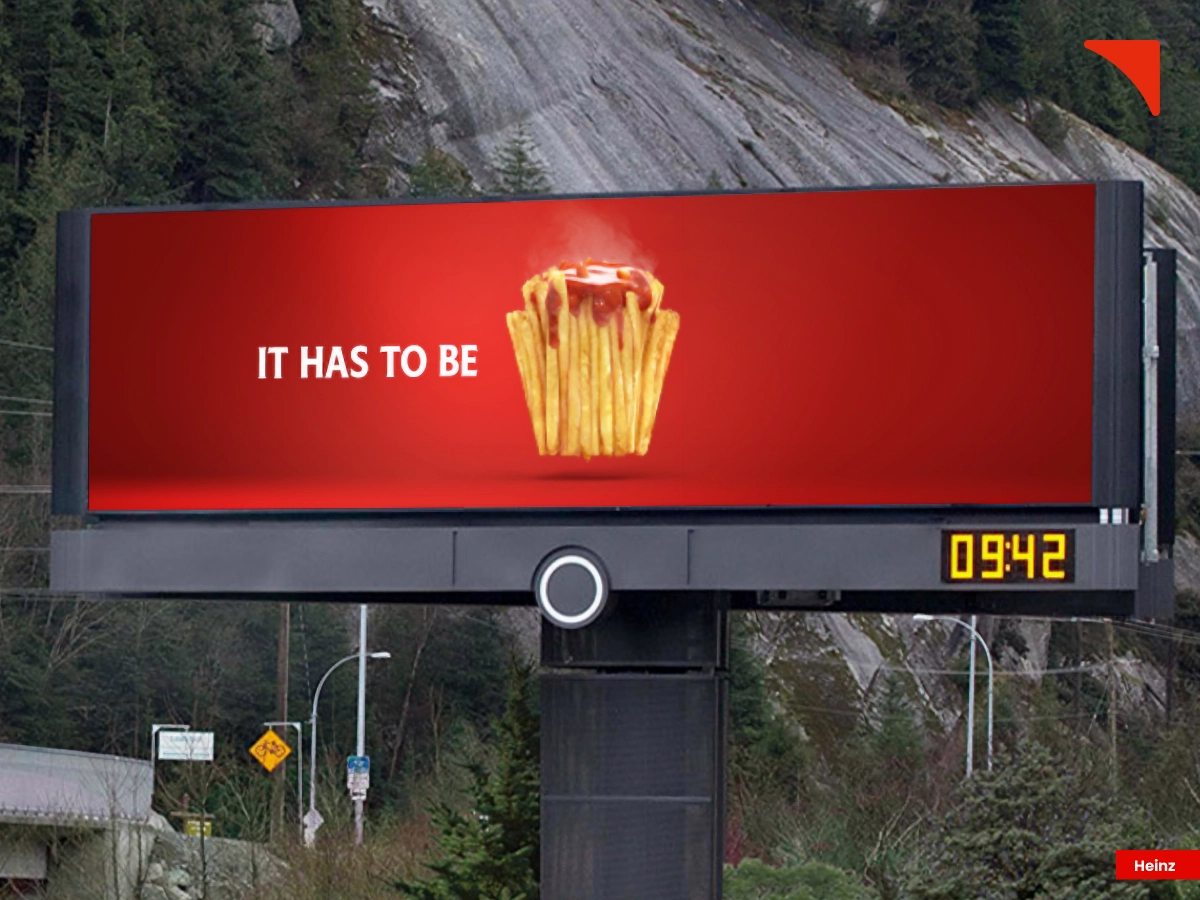
High traffic zones do not have uniform traffic. Instead, there are different types of audiences with different mindsets at different times of the day. For example, morning commuters going to work, afternoon shoppers, and evening leisure travelers. And because digital billboard advertising supports dayparting, brands can easily:
When brands consider these points and align their creatives with time of day behavior, they improve recall and emotional connection with their target audience, that too, without increasing the overall media spend.
Strategy 4: Prioritize Brand Recognition Over Hard Selling
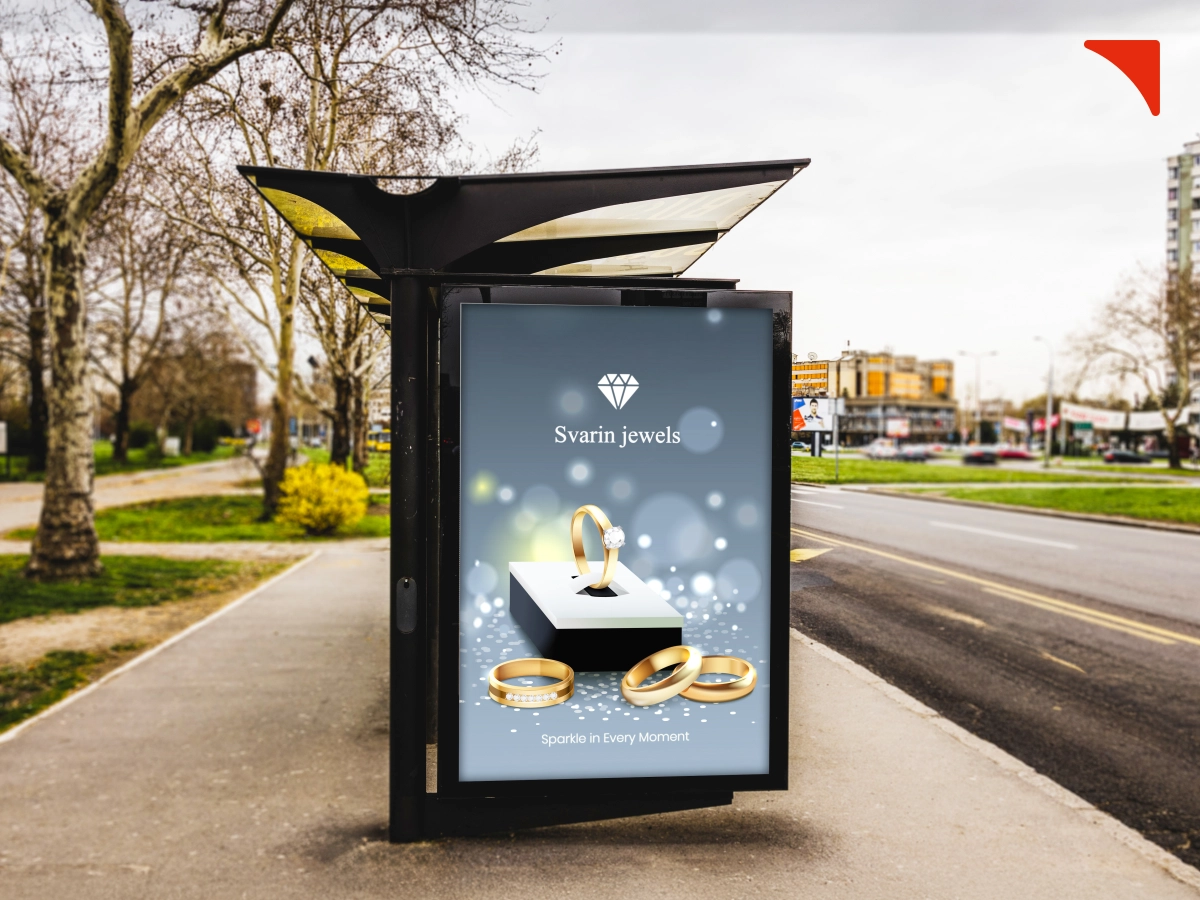
Brands need to understand that digital billboards are not designed for immediate conversions. Instead, they are executed to ensure that a brand is first recalled when a need arises later. Hence, in order to establish strong brand awareness, they should execute creatives that focus on:
Doing this helps brands experience the benefits of above the line marketing as their digital billboard starts supporting long term brand equity instead of just focusing at short term sales spikes.
Strategy 5: Leverage Motion Wisely to Boost Recall
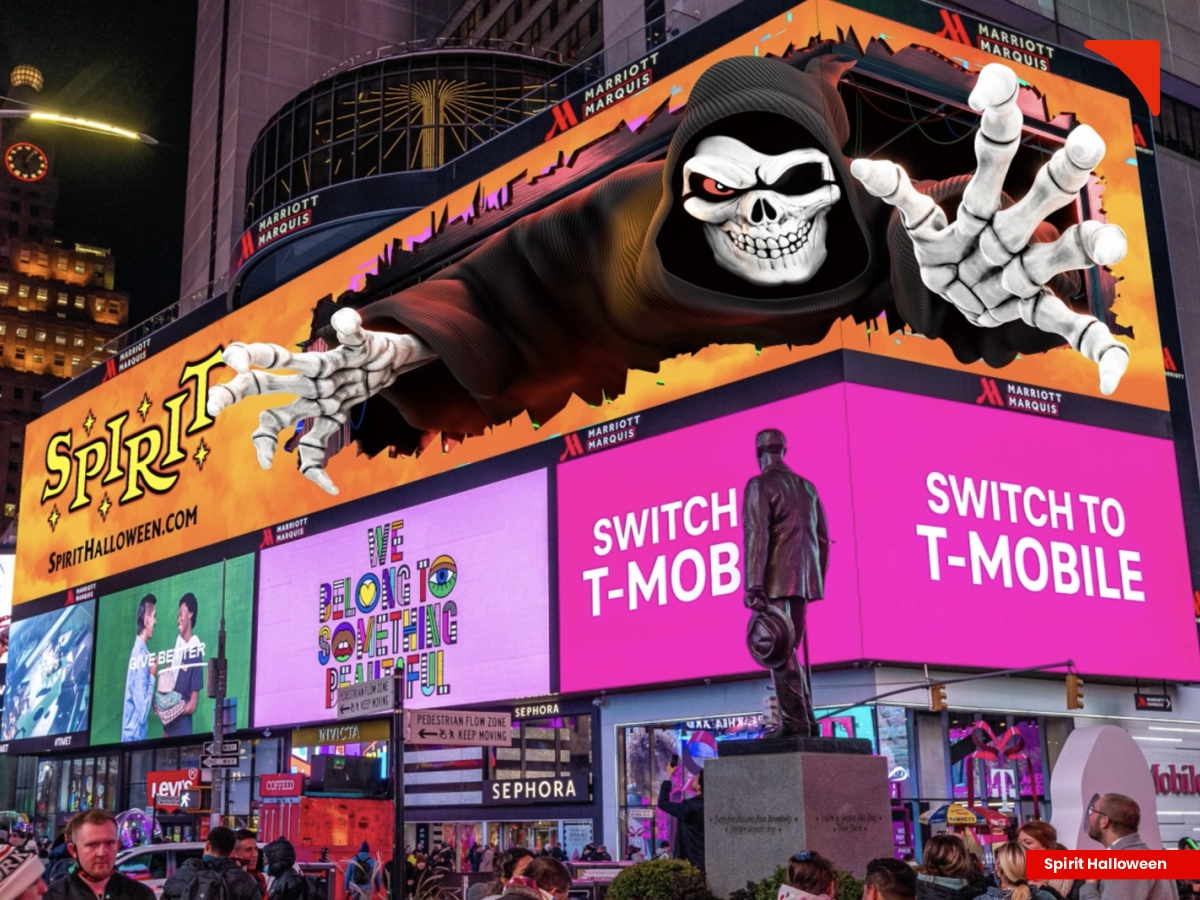
It is an undeniable fact that motion does attract attention. But it cannot be ignored that excessive movement can reduce comprehension. Hence, it is suggested that brands should always use motion in a strategic manner in order to achieve effective digital billboard campaigns. Here are a few tips to consider:
Because after all, the goal is not just to entertain but to actually anchor the brand in memory.
Strategy 6: Integrate Digital Billboards with Broader Campaigns
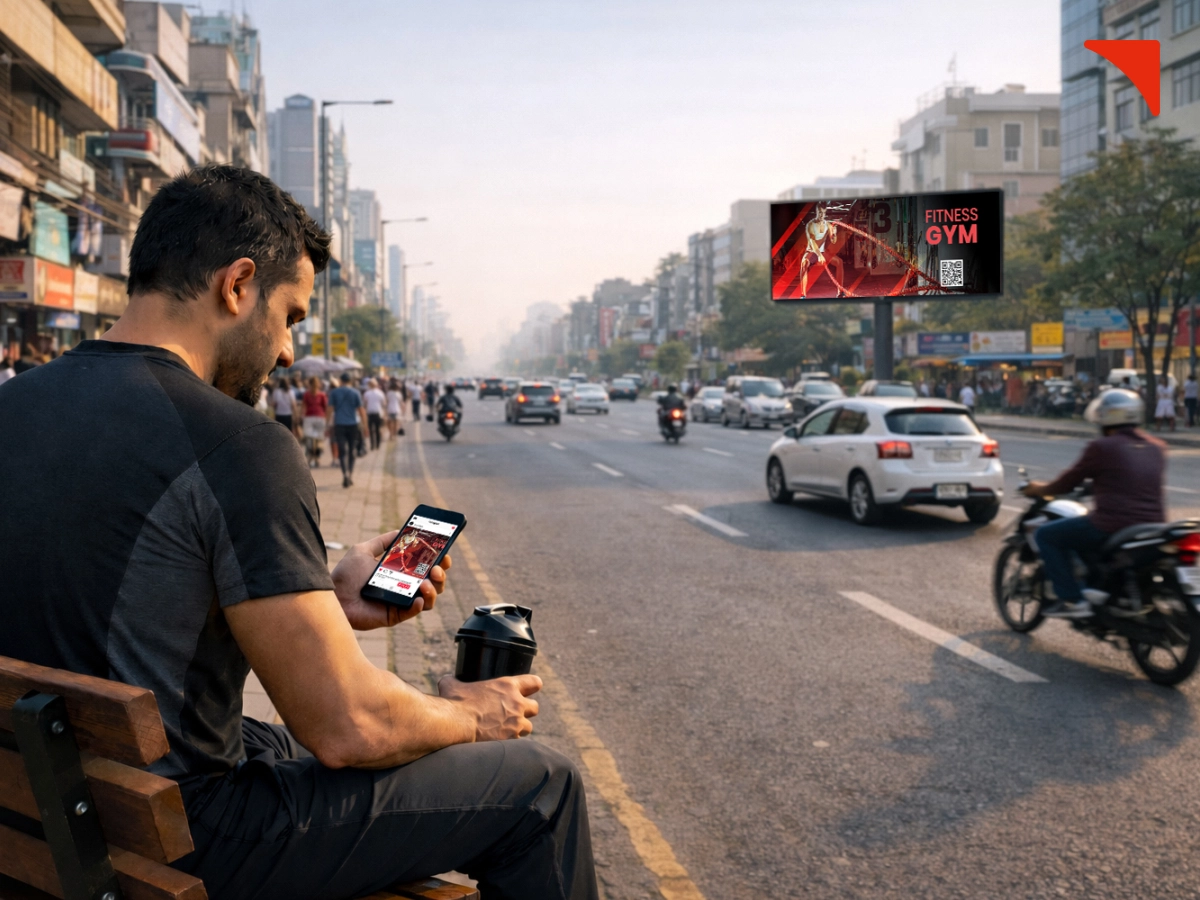
Every marketing or advertising effort performs the best when it is considered a part of an integrated ecosystem. The same goes for digital billboards as well. High traffic visibility will reinforce messaging that consumers might see on different platforms. A few common integrations include:
In order to accomplish these steps, brands can consider partnering with an experienced outdoor advertising company. Opting for professional services will ensure a perfect alignment between creative, placement, and overall media strategy.
Strategy 7: Consistency Beats Novelty in High Traffic Zones
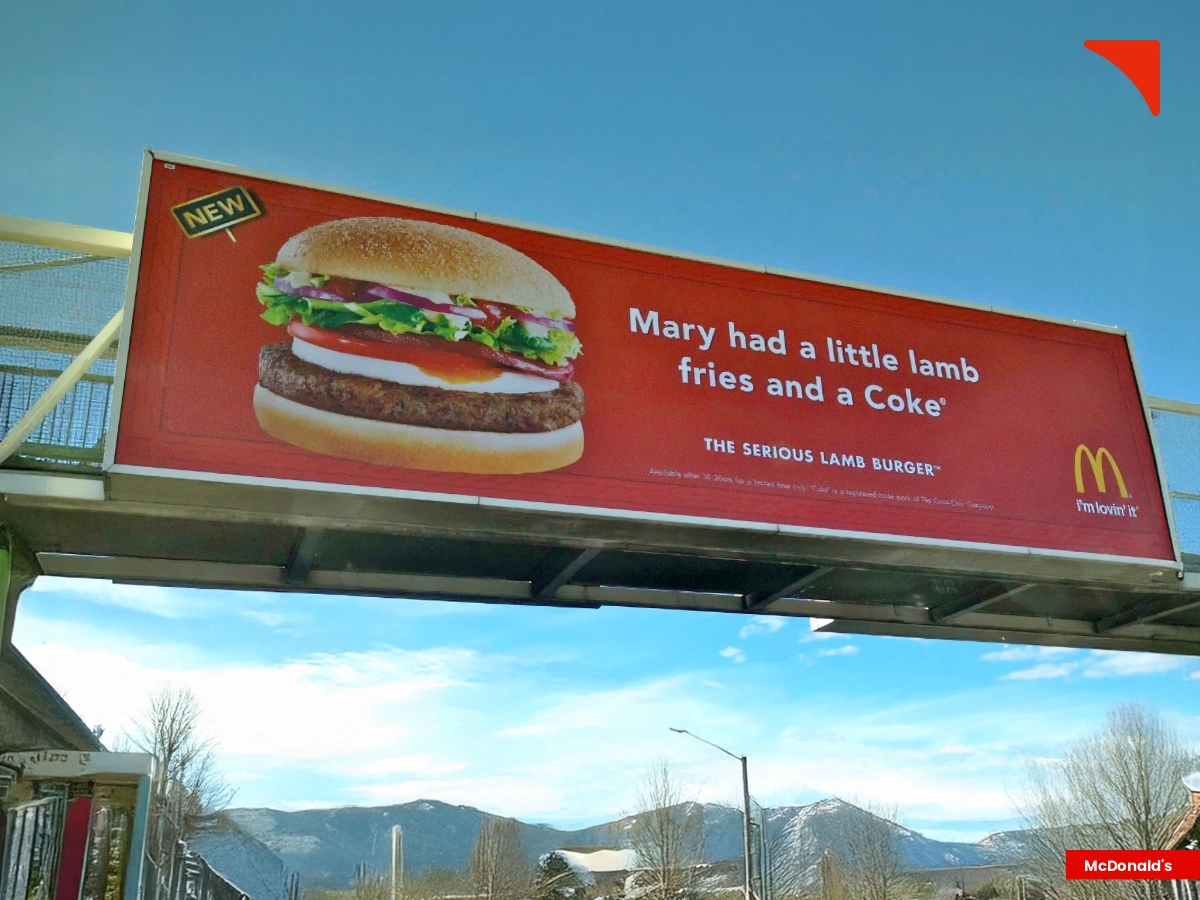
Creativity does matter, but consistency matters even more. The audience in high traffic zones is exposed repeatedly, and this is what makes visual consistency a competitive advantage. Hence, it is advised that retail brands should maintain:
Changing creatives on a frequent basis might reduce cumulative recall. And this becomes a key disadvantage in the case of fast moving environments.
Strategy 8: Scale Strategically, Not Excessively
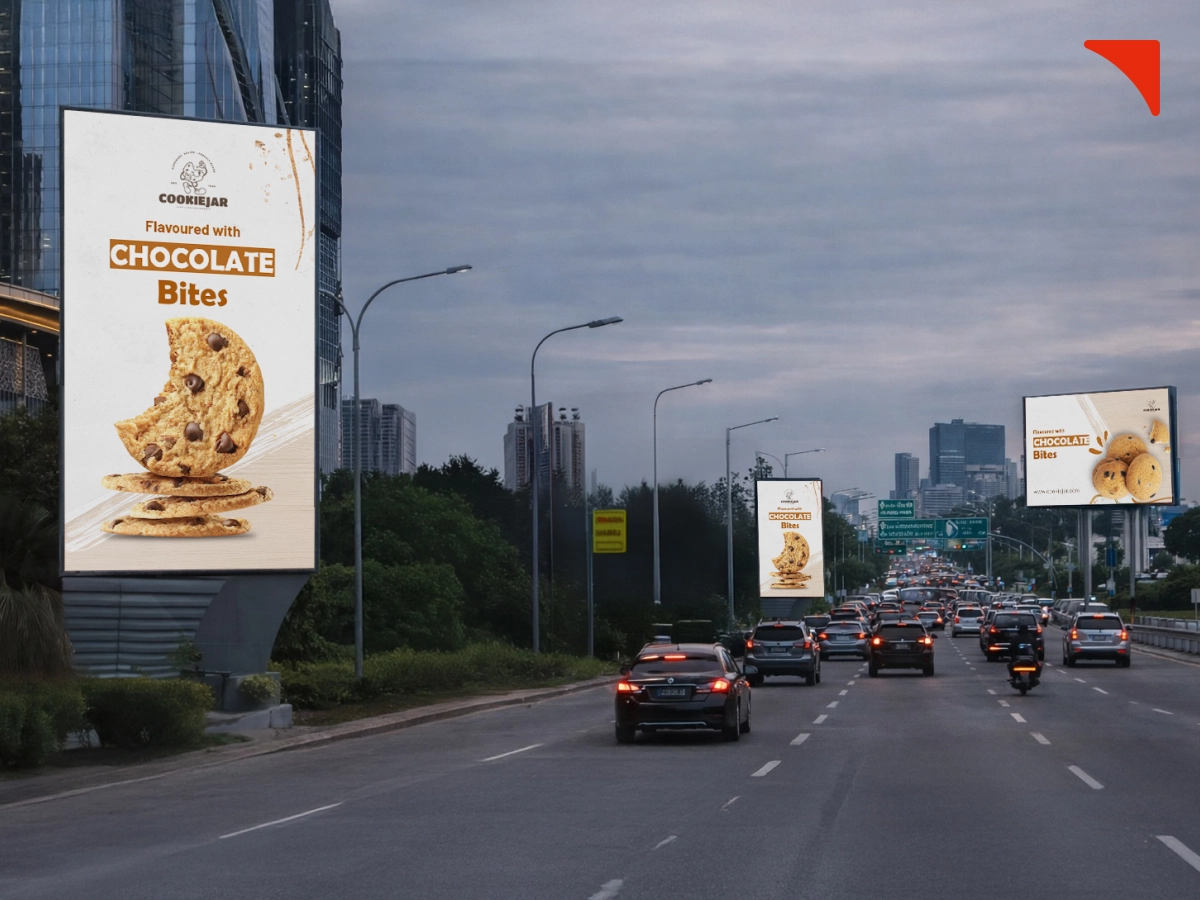
The number of screens does not determine success, as more screens are not always equivalent to better results. When brands strategically cluster their digital billboard advertisements across commuter routes or within a single commercial district, they often experience better results in comparison to scattered placements. There are some specific components of effective scaling that brands should be focusing on. Some of them are mentioned below:
When brands consider these aspects and focus on scaling strategically instead of excessively, they feel omnipresent without becoming background noise.
Conclusion: Visibility That Builds Memory, Not Just Reach!
Digital billboard advertising in high traffic areas is not about shouting louder. Instead, it is actually about showing up smarter. When digital billboards are executed with a strategic design, contextual relevance, and consistent branding, they actually have the ability to transform fleeting glances into lasting brand memory.