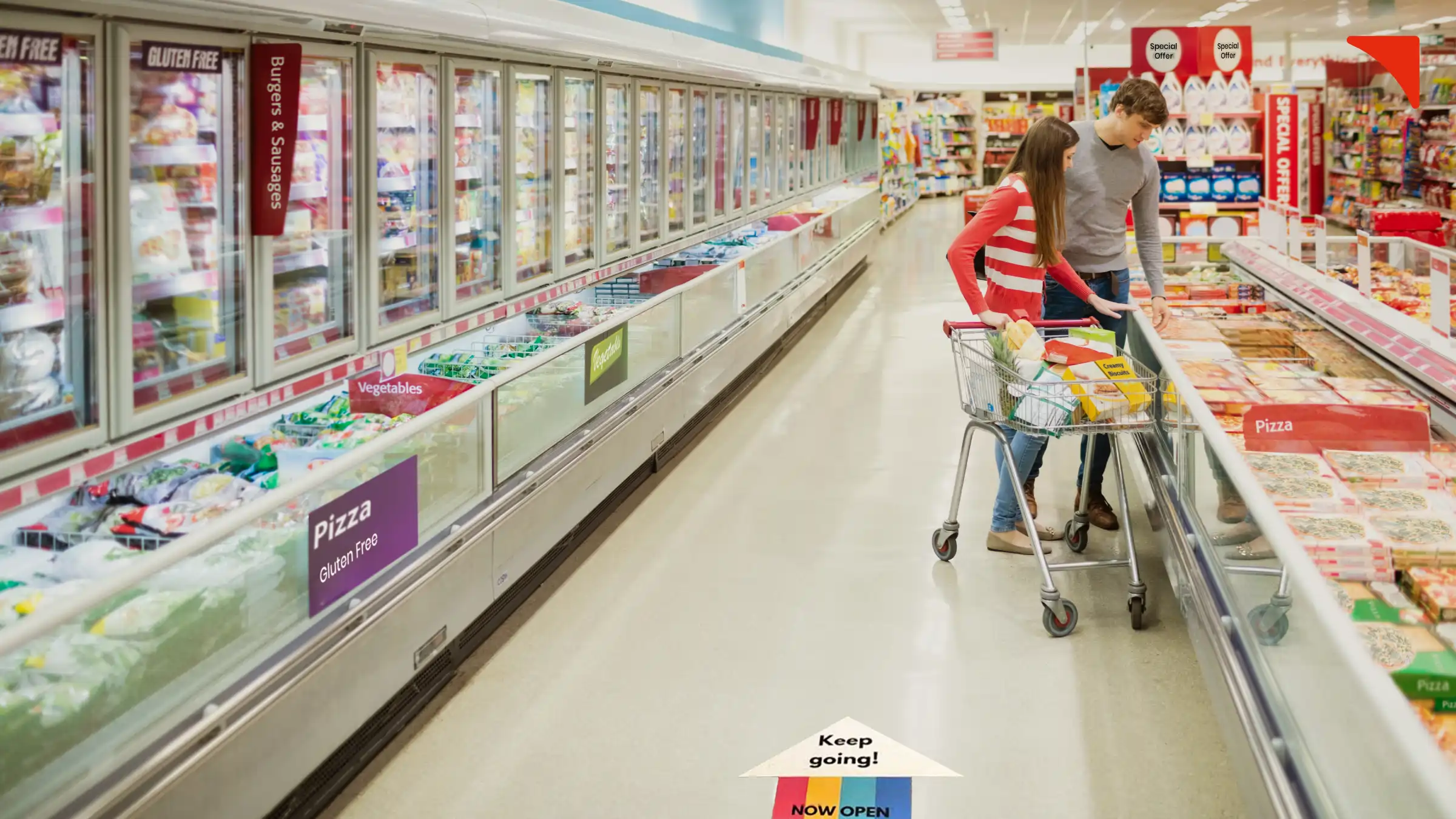
Do you know that even in 2026, more than 56% of consumers still trust in-store print marketing the most in comparison to other forms? (source: expertmarketresearch.com)
The world of retail today is more competitive than ever. Thousands of products compete within the same store to catch the shopper’s attention. According to EMR, Claight, more than 82% purchases are made in store. Considering this, brands should not just rely on external marketing. Instead, they should influence customers exactly when they are making decisions.
Well, this directly highlights the critical role of point of sales materials in influencing what customers finally purchase. They help brands attract shoppers, communicate with them, and further convert attention into action.
What is POSM?
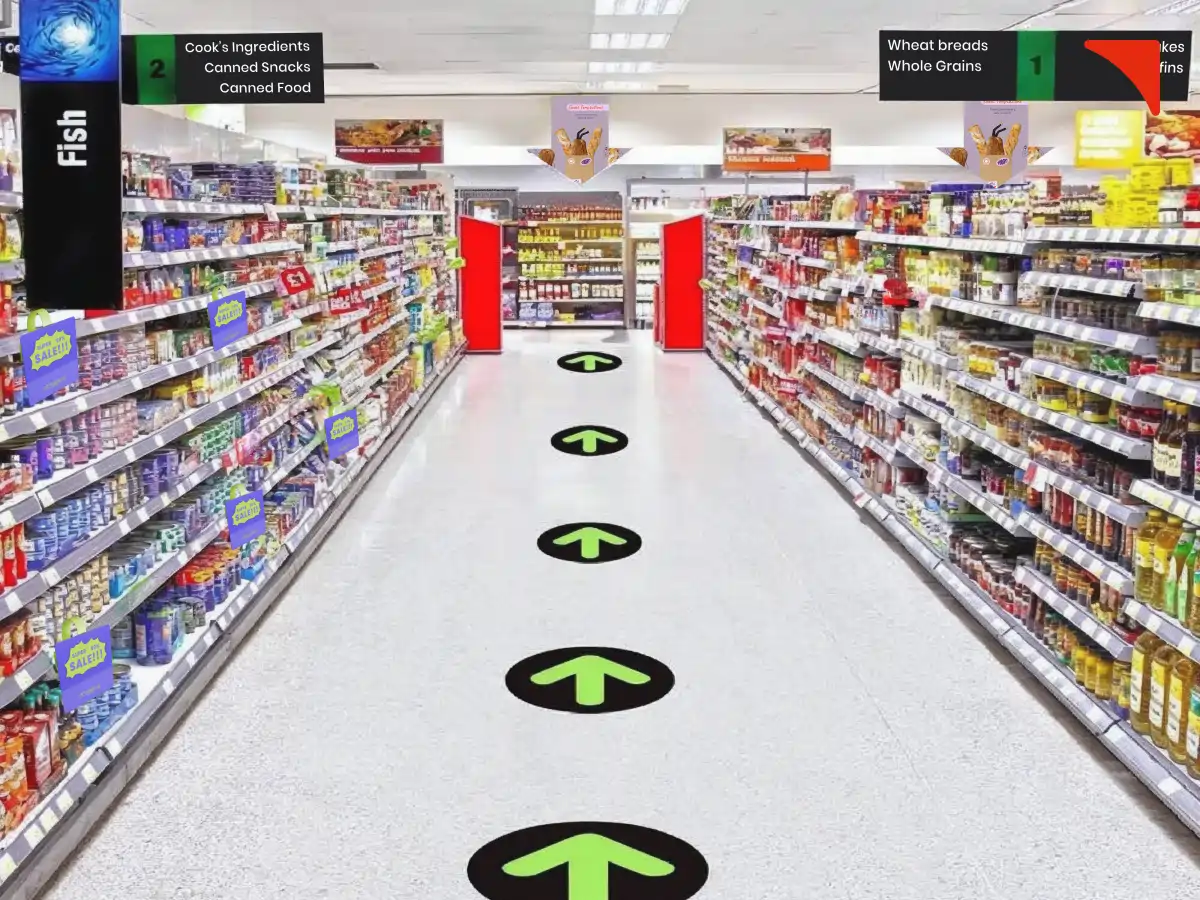
POSM, or point of sale materials, can be simply defined as marketing materials that are strategically placed within physical retail outlets to attract customer attention and drive sales. These materials are usually positioned in a way to influence last minute purchase decisions and hence are typically placed near checkout/billing counters, aisles, or product displays.
Point of sale materials are indeed one of the most crucial elements that help retailers ensure that branding and messaging are effectively delivered at places where they matter the most: right in front of the customers. Irrespective of whether it is a promotional standee or shelf branding, POSM allows retailers to seamlessly bridge the gap between product visibility and customer action.
Different Types of Point of Sale Materials
Depending on their needs, goals, store layout, target audience, and final business objectives, retail brands have a variety of point of sale materials to choose from. Mentioned below are some of the most commonly used ones, along with their uses:
1. Posters and Banners:
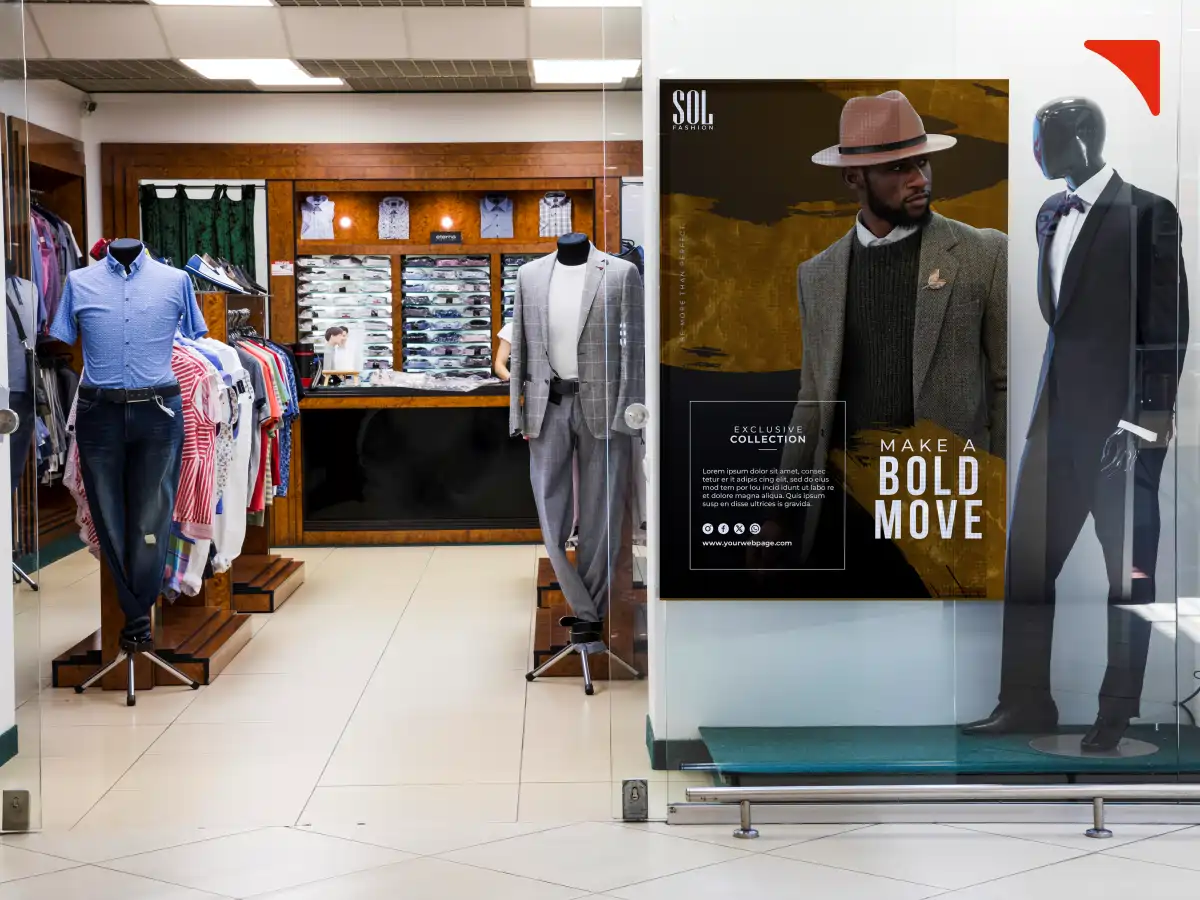
These are one of the oldest types of POSM that significantly help in improving visibility. They are generally ideal for promotions, discounts, and new product launches.
2. Shelf Wobblers:

These are moving signs, attached to the shelves, that directly appeal to the eyeballs of customers. They grab consumers’ attention by creating visual interest.
3. Ceiling Danglers:
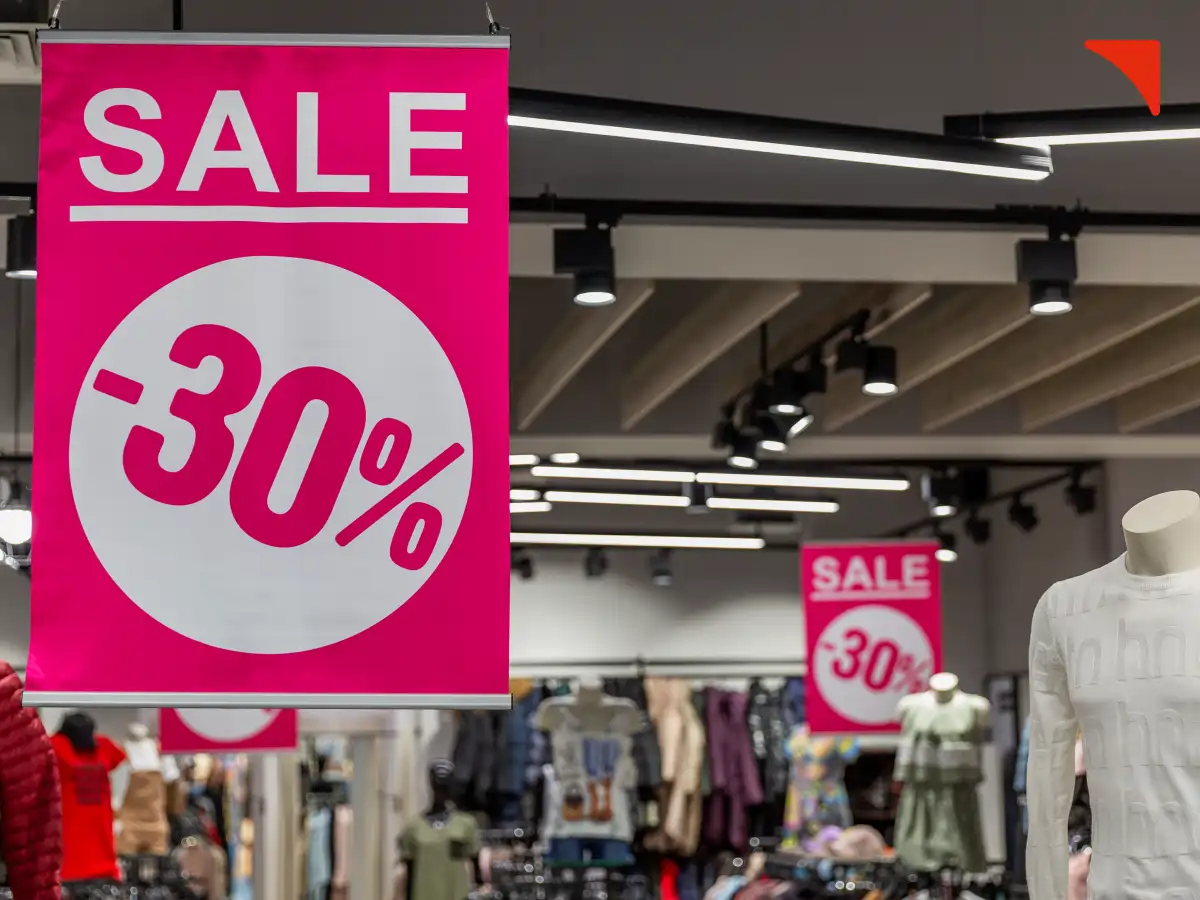
These are extremely attractive elements that are executed at the ceiling to increase brand visibility by capturing customers’ attention from a distance. Ceiling danglers are also known as hanging displays.
4. Shelf Talkers:
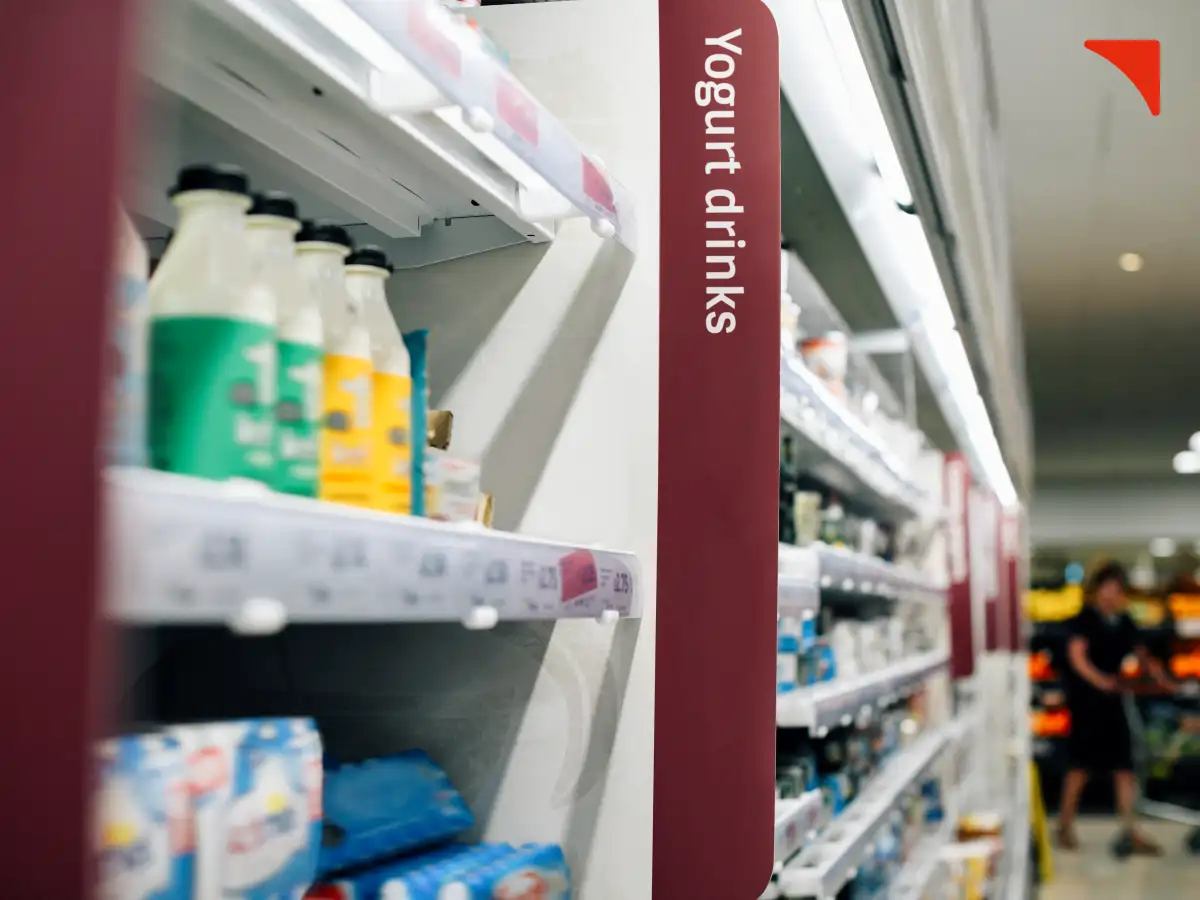
As the name suggests, shelf talkers are small printed materials that are attached to the shelves. They are typically used for highlighting product features, offers, or promotions.
5. Digital Displays:
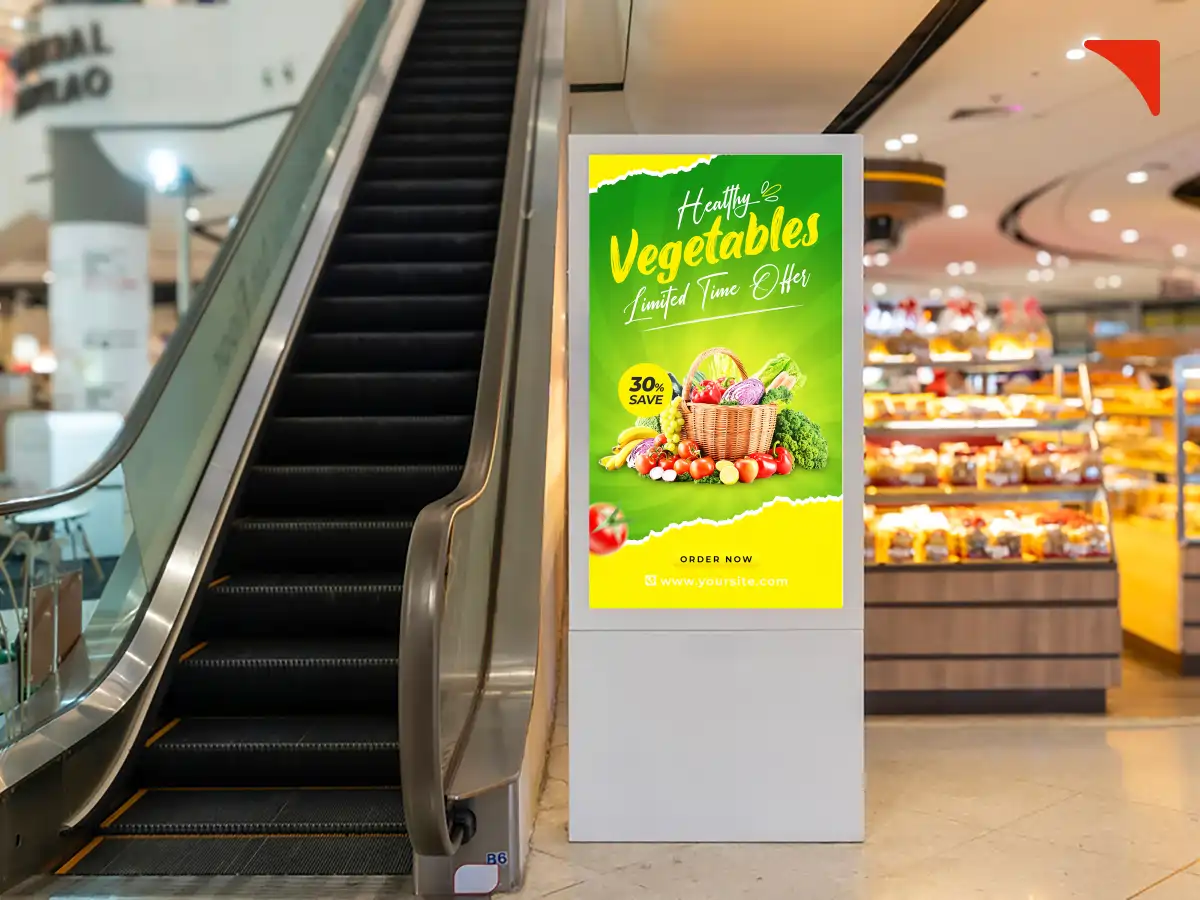
These are interactive or digital screens that are specifically used to effectively showcase products and engage customers by presenting them with dynamic content, such as videos, product details, how to use tutorials, live promotions, etc.
6. Floor Graphics:
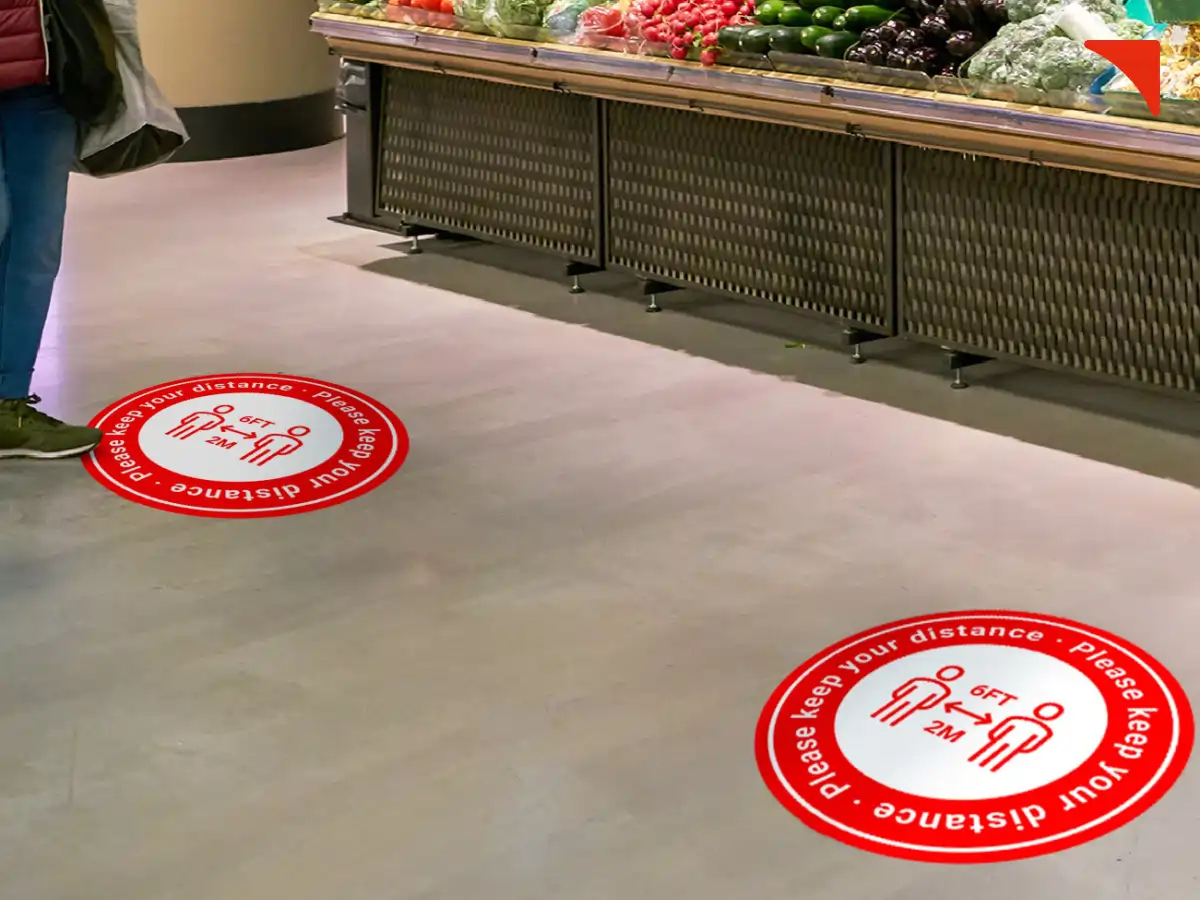
As the name suggests, floor graphics are creative visuals that are directly placed on the store’s floor. They serve various purposes, including guiding customers throughout the retail space and directing their attention to specific areas or products.
7. Dump Bins:
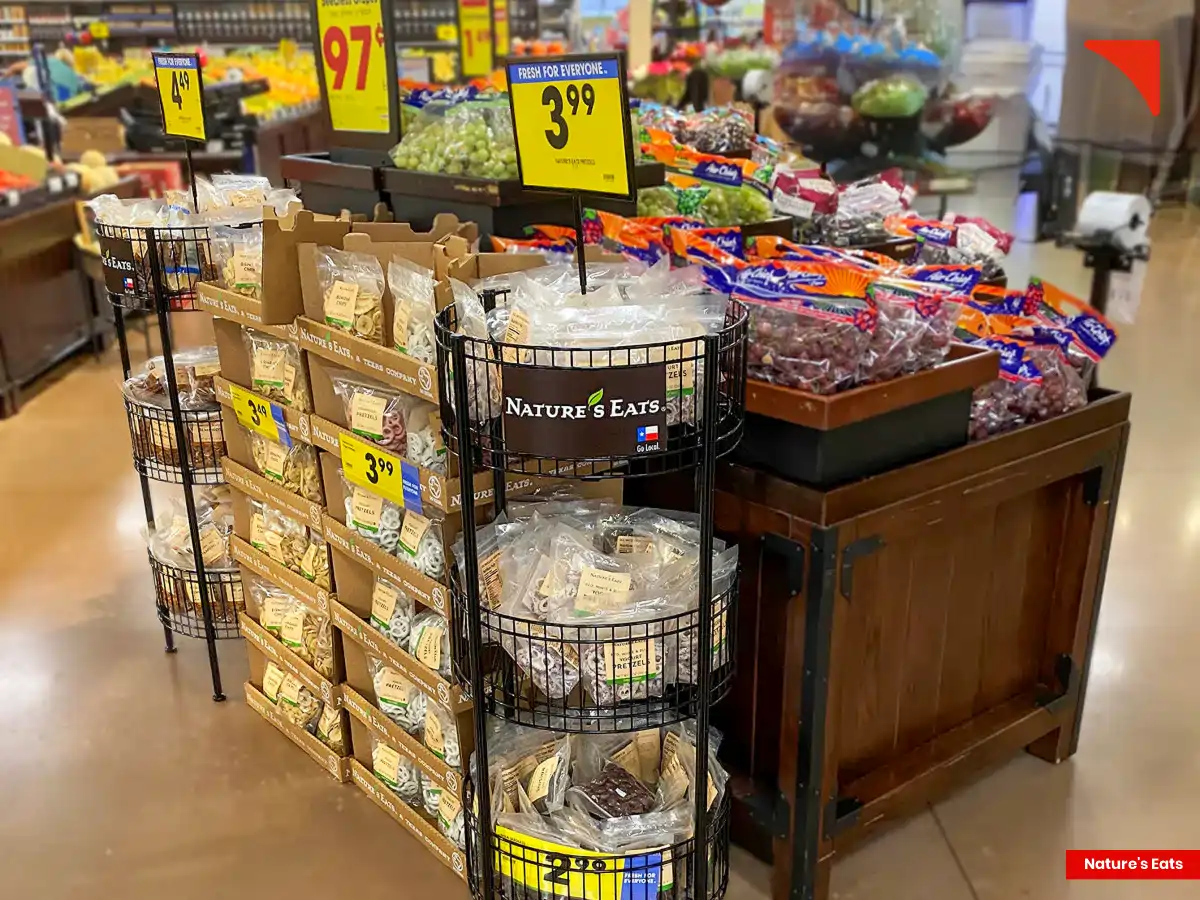
Brands fill huge bins with discounted or promotional products. For example, pick any three for just 99 or Buy 2 Get 2 FREE. These bins are often positioned near billing counters and in high traffic areas in order to encourage impulse/unplanned/last moment purchases.
These are just a few point of sale materials that we often witness inside a store. Retail brands often partner with a reliable and experienced signage installation company in order to get these materials executed. Doing this helps them ensure that the process of POSM deployment is effective and efficient and perfectly aligns with the aesthetics and functionality of their retail space.
What are the Benefits of Effective POSM Deployment?
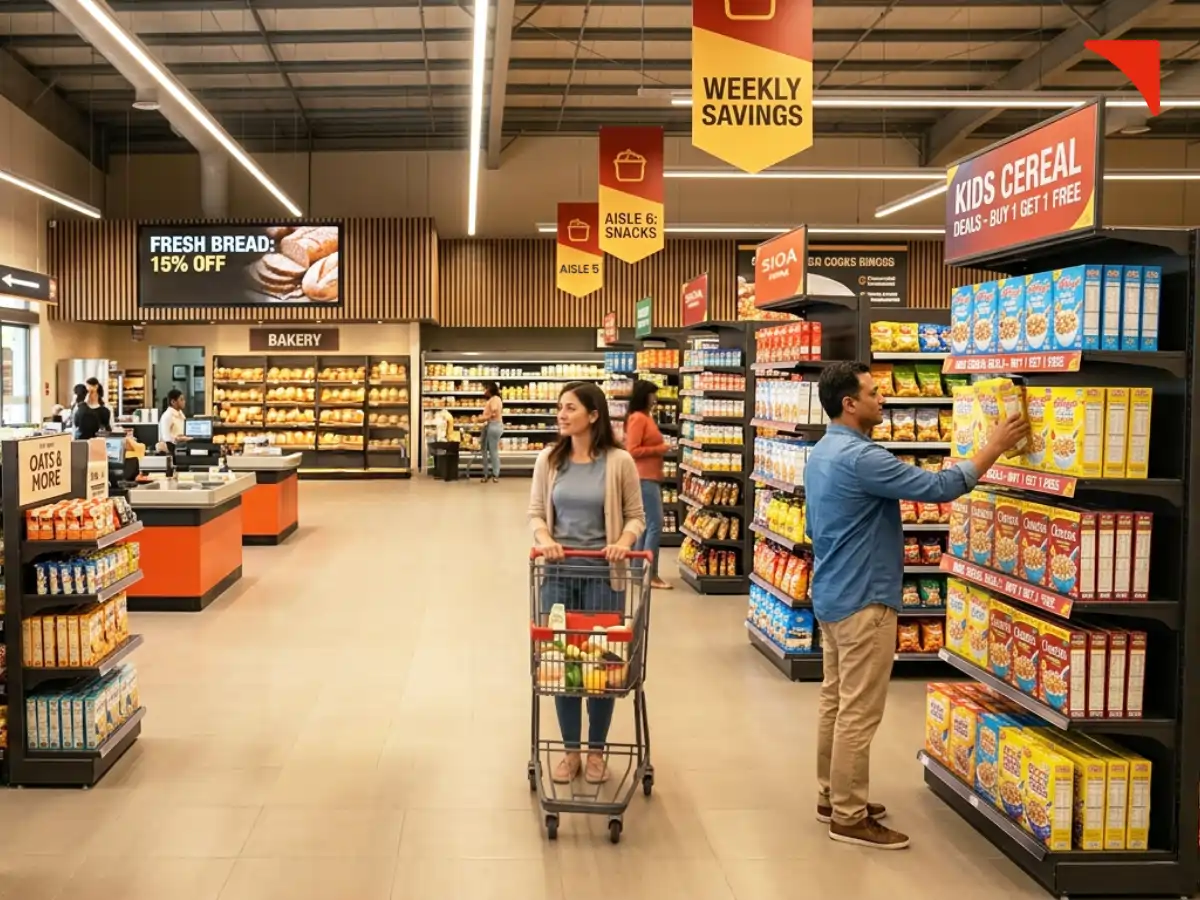
When brands opt for professional services that effectively deploy their point of sale materials, they significantly contribute to overall retail success. Mentioned below are a few benefits that brands usually experience:
1. Enhanced Visibility: POS materials make even the simplest products stand out in a competitive/crowded retail environment. Effective placement further ensures that they directly appeal to the shoppers’ eyes and attract them towards the product.
2. Influence Final Purchasing Decisions: When the POS materials are deployed in a strategic manner, they facilitate timely delivery and relevant messaging. This directly increases the chance of impulse purchases and boosts overall conversions.
3. Boosted Brand Recall: When branding across POS materials is consistent, it automatically strengthens brand identity, makes it easier for the customers to recognize the brand, and promotes recall.
4. Cost Effective Marketing: As mentioned in the previous section, different types of POSM serve different marketing purposes. In comparison to large scale advertising campaigns, they are comparatively cheaper and offer a high return on investment.
5. Improves The Overall In-Store Experience: When the point of sale materials align with the executed retail store fixtures, they don’t just enhance the aesthetics of the store, but also offer the customers a seamless and engaging shopper journey.
When brands precisely execute well planned retail POSM deployment strategies, they can ensure that all these benefits are maximized at each and every retail touchpoint.
Design Considerations to Keep in Mind for POSM Campaigns
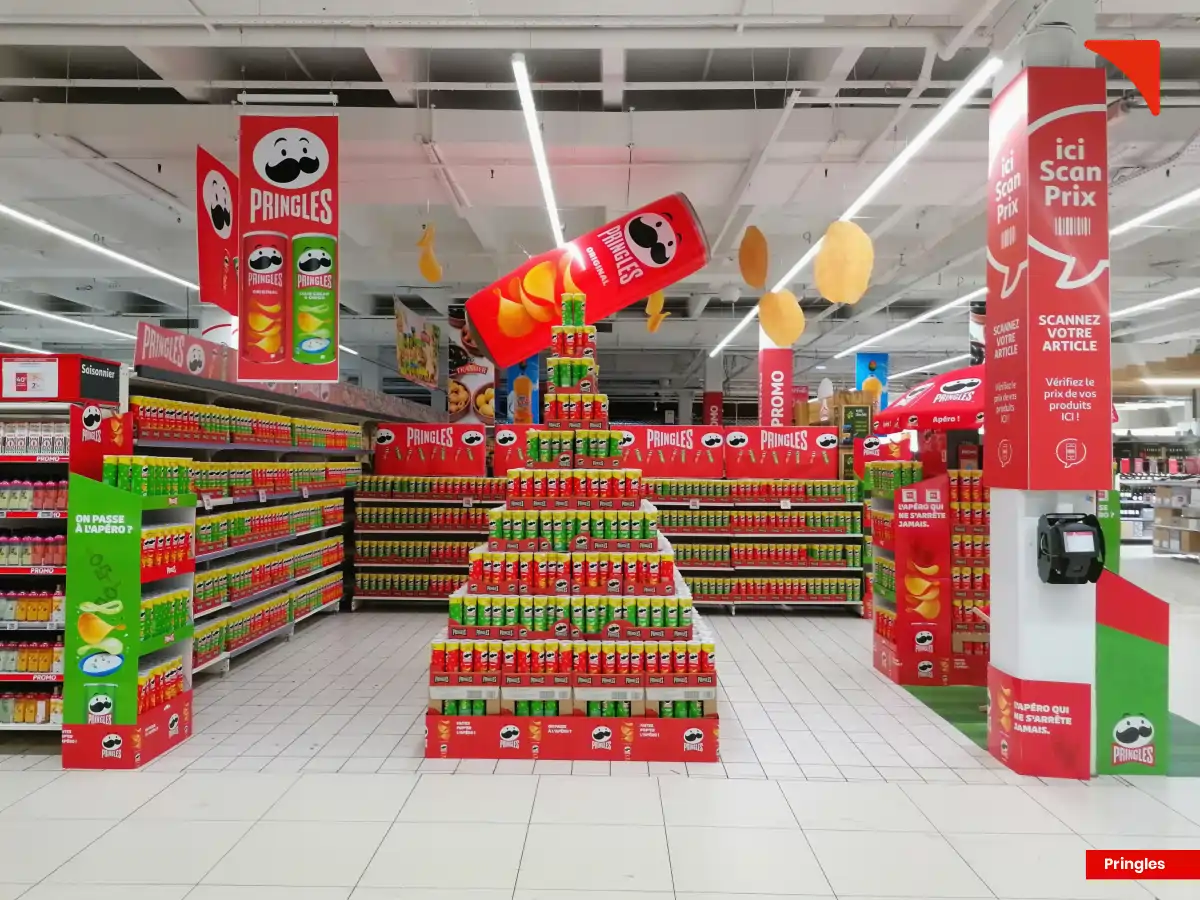
Designing effective point of sale materials requires a lot of strategic planning that needs to be further accompanied by precise execution. Listed below are a few key factors that retailers can consider to ensure the success of their POS materials.
1. Clarity and simplicity: Complex messaging confuses the shoppers. Brands should make sure their messages are easy to read and understand at a glance. Also, make sure that there is no unnecessary information or clutter, and just key highlights.
2. Brand consistency: Point of sale materials are one of the best ways that can be used to establish consistency across all retail touchpoints. Hence, when brands utilize consistent colors, fonts, and logos, it automatically reinforces brand identity.
3. Strategic Placement: Irrespective of how immersive or attractive the design is, if the retail POSM deployment is not strategic, all efforts will go in vain. Hence, it is crucial for retailers to position those marketing materials at places where customers are more likely to notice them.
4. Durability: Apart from aesthetic design and strategic placement, retailers do need to choose materials that can perform well in every type of retail environment.
5. Integration with Store Layout: Retail point of sale materials should be designed and deployed in a way that aligns with the existing store design, fixtures, and signage. They should not disrupt customer flow. In this scenario, it is best for brands to collaborate with a trusted signage installation company to practice precise execution and ensure perfect alignment.
What are the Best Practices for Effective POSM Use?
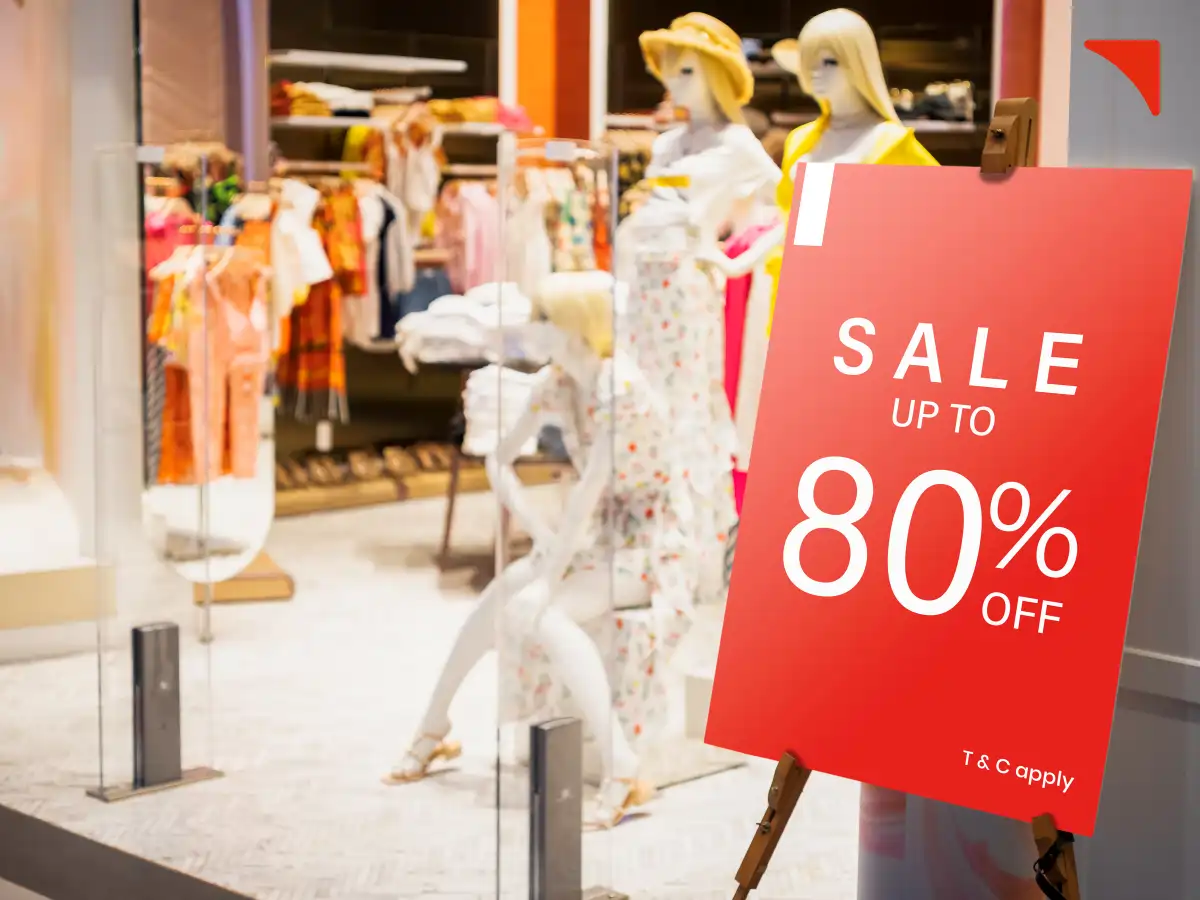
If you also wish to get the most out of your POSM deployment strategy, here are a few best practices to consider:
1. Align your POS materials with Campaign Goals
Irrespective of whether it is product/brand awareness or a sales promotion, the POSM design and deployment should perfectly align with the finalized marketing objectives.
2. Keep The Content Simple and Relevant
The executed content on POS materials should be simple and easy to understand. And because outdated materials can significantly reduce effectiveness, it is important for retailers to regularly update the displayed content to reflect ongoing offers, seasonal promotions, or trends.
3. Use High Quality Visuals
Executing attractive design and clear, professional printing directly appeals to the eyeballs and significantly impacts customers’ perception.
Winding it up!
Point of sale materials are indeed one of the most powerful retail tools that can completely transform physical spaces into engaging and conversion driven environments. When designed immersively and executed precisely, they become a strategic retail asset that significantly contributes to driving customer engagement, strengthening brand presence, and ultimately boosting sales.