
We all know that retail expansion is no longer just about opening new stores at different locations. For modern retail brands, real growth is not defined by the number of outlets. Instead, it actually depends on entering the right markets, understanding what the local customers prefer, expect, and demand, choosing the right channels, and constantly delivering a consistent and improved retail experience to every visitor that enters their store. Well, this is exactly where a data driven go to market (GTM) strategy becomes extremely important in enabling a successful expansion.
A well defined retail go to market strategy significantly assists brands in discovering answers to some of the most important questions that are directly or indirectly related to expansion. A few common but the most crucial ones include:
By simply eliminating assumptions or predictions and instead replacing them with insights, brands can seamlessly make smarter decisions at every preceding stage of their retail growth journey.
Identifying the Right Markets for Expansion

Selecting markets with genuine demand for the product or service that your brand is offering is indeed one of the biggest challenges faced by retailers during store expansion.
It is a surprising fact that even in 2026, many retailers still make expansion decisions purely based on their competitors' presence or broad demographic trends. But this is not how successful brands operate. Instead, they go deeper by analyzing and understanding how modern customers behave within a retail outlet and what their purchasing patterns are, along with footfall trends, density of competitors, income levels, and regional preferences.
When brands analyze reliable data and insights, they can seamlessly create accurate market entry strategies by simply identifying high potential locations and understanding the factors that actually drive customer conversion in every individual region. In addition to this, these insights also influence operational planning.
Once a brand has selected a market, the next step is to ensure that its store deployment strategy is effective and perfectly aligns with different aspects, including local demand, expected sales velocity, and customer expectations. Because after all, it is the right combination of location intelligence and GTM planning that helps ensure that the new stores are not just launched faster but also positioned in an effective and efficient manner that drives long term profitability.
Generating Optimized Value Through Effective Placement, Pricing, and Customer Experience
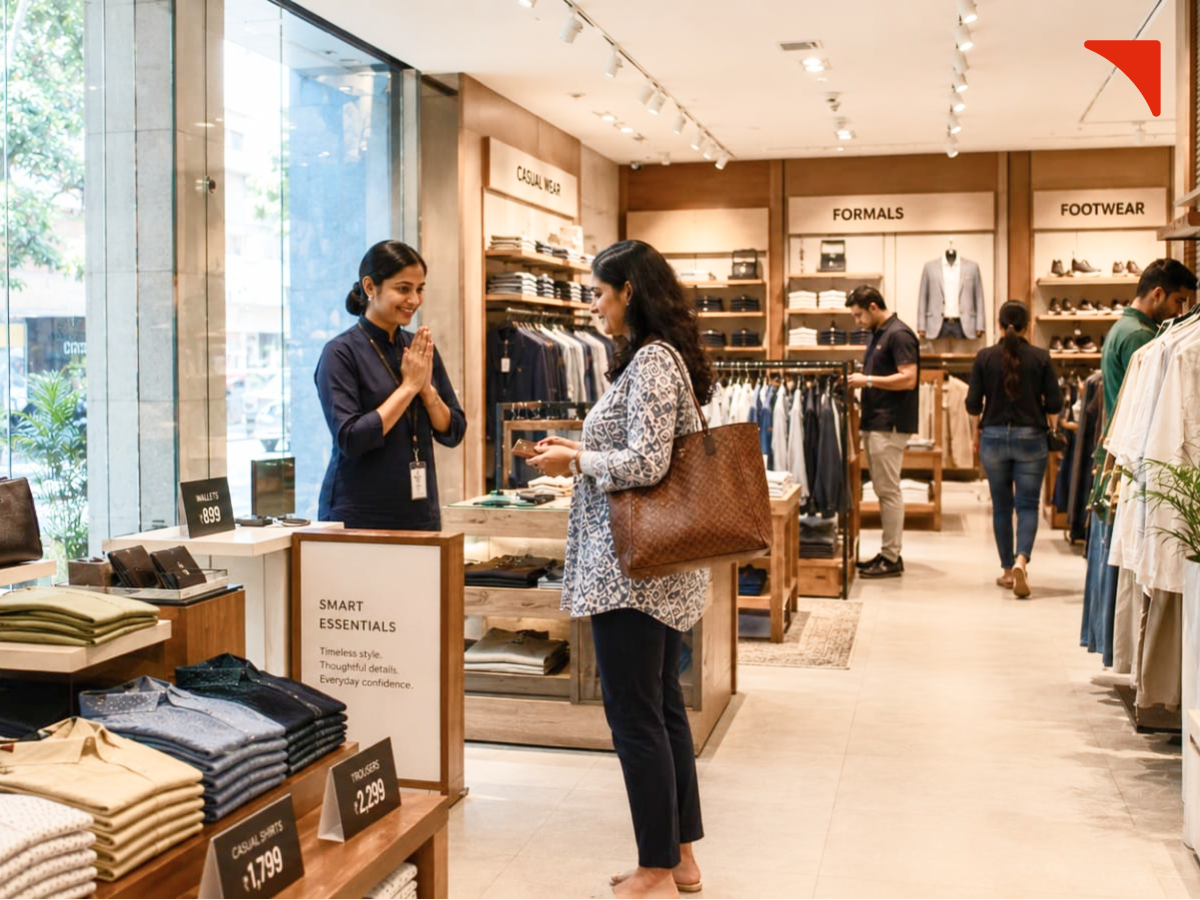
When we talk about a successful retail go to market strategy, it does not just revolve around launching products or simply getting a store opened. Instead, an effective and efficient GTM strategy is the one that mainly focuses on delivering the right value to the right customers (the main target audience of a business).
We all are aware of the fact that in the world of retail, the customer is the king, and all kings have different preferences and demands which can significantly vary between cities, regions, and even neighbourhoods. This makes one thing clear: a product category or placement that might be effectively performing well in one market might miserably fail to generate the same results in another area or market. Well, this is exactly why retail brand owners need to ditch static traditional methods and instead opt for a modern approach that is driven by data.
When brands consider this localized data heavy approach, they will automatically be able to facilitate better store execution as well.
Improving The Speed Of Store Expansion Without Compromising Quality

Speed is indeed one of the most important factors for growing retail brands. However, they cannot ignore the fact that expanding rapidly without proper planning is not a very smart choice and is instead a very risky process. They might end up selecting an inappropriate site, fail to establish a consistent and relevant customer experience, and face various operational inefficiencies.
However, if retail shop owners consider go to market strategies that are completely backed by data and insights, they can seamlessly establish an effectively structured expansion roadmap.
Strengthening The Supply Chain and Inventory Readiness

Just establishing a physical outlet is not considered a successful market launch. Instead, in order to achieve this, it is extremely important for the backend team to be fully prepared to support customers in every way possible. Because it has been commonly noticed that even the most effective marketing campaigns or immersively designed stores can fail if customers do not get what they are actually looking for.
When the go to market strategies are backed with reliable data and trusted insights, it helps in improving demand forecasting, inventory replenishment, supplier coordination, and distribution efficiency. Retailer shop owners can seamlessly identify expected sales patterns, maintain the required stock/inventory levels, and automatically reduce both the chances of the items being out of stock or over stocked.
When brands are provided with this level of visibility, they can make changes and improvements in various retail metrics, including on shelf availability, sell through rates, inventory turnover, and ensuring overall store productivity.
The Future of Retail Growth Is Insight Led
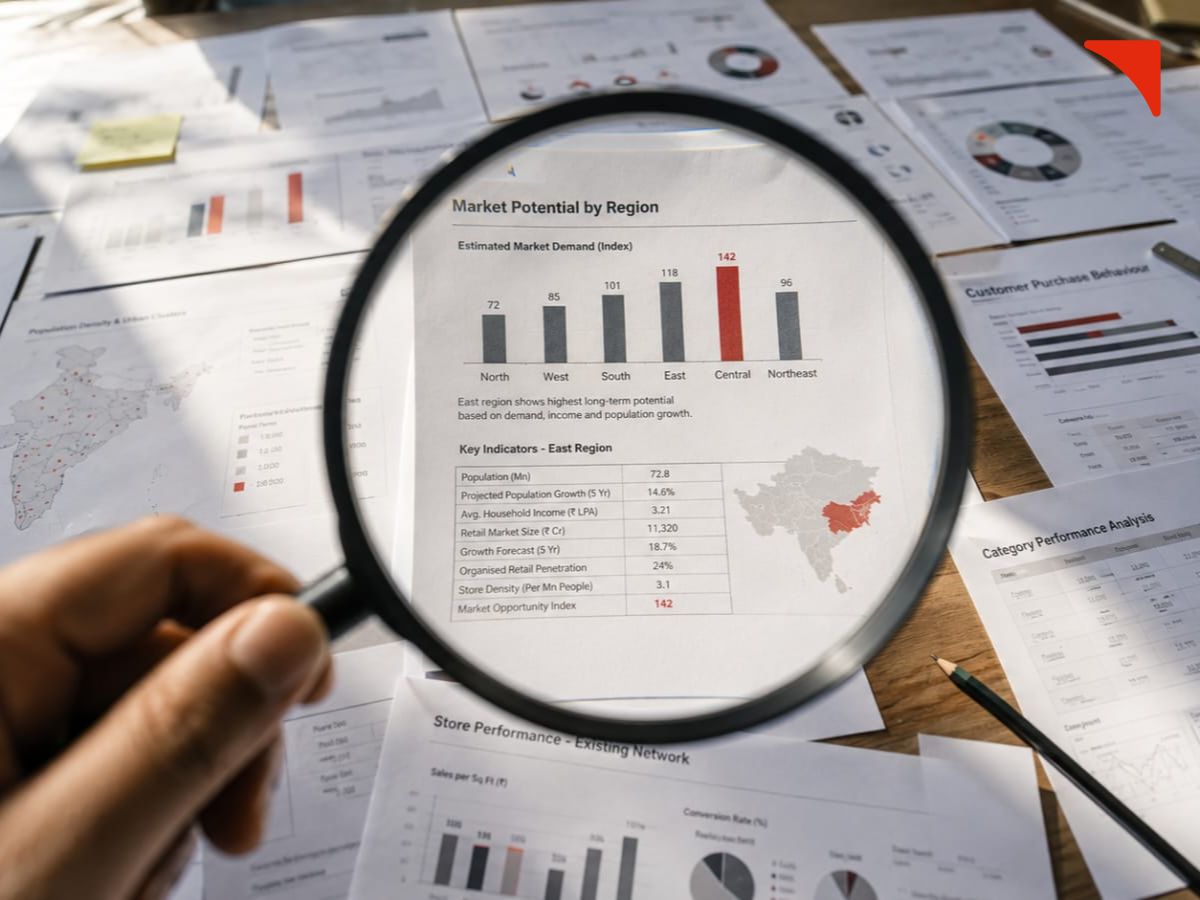
Even in the end, we are back to where we started. The most successful retail brands are not the ones that rely on intuitions, predictions, or assumptions. Instead, they are actually the ones who effectively and thoughtfully utilize data to make various crucial decisions related to their business. A few common ones include deciding where to expand, how to enter new markets, finding out what their customers prefer and expect, and how they can deliver superior experiences in a consistent manner.
Apart from directly transforming a retail store expansion from a high risk growth initiative into a process that is completely scalable and calculated, a data driven retail go to market strategy also allows brand owners to practice better market selection, stronger customer alignment, and optimized operations, along with more effective and efficient resource allocation.
It is a very noticeable fact that the competition within retail markets is increasingly getting intense, and customer expectations are evolving on a constant basis. In this scenario, retail brand owners who pay attention towards combining market intelligence and data with disciplined store execution will actually be the ones that will be able to position themselves in a better way and will definitely achieve sustainable long term growth and profitability. From strategic store planning and deployment to customer engagement and ongoing performance optimization, data has always been the foundation of successful store expansion and will continue to be so in the future as well.