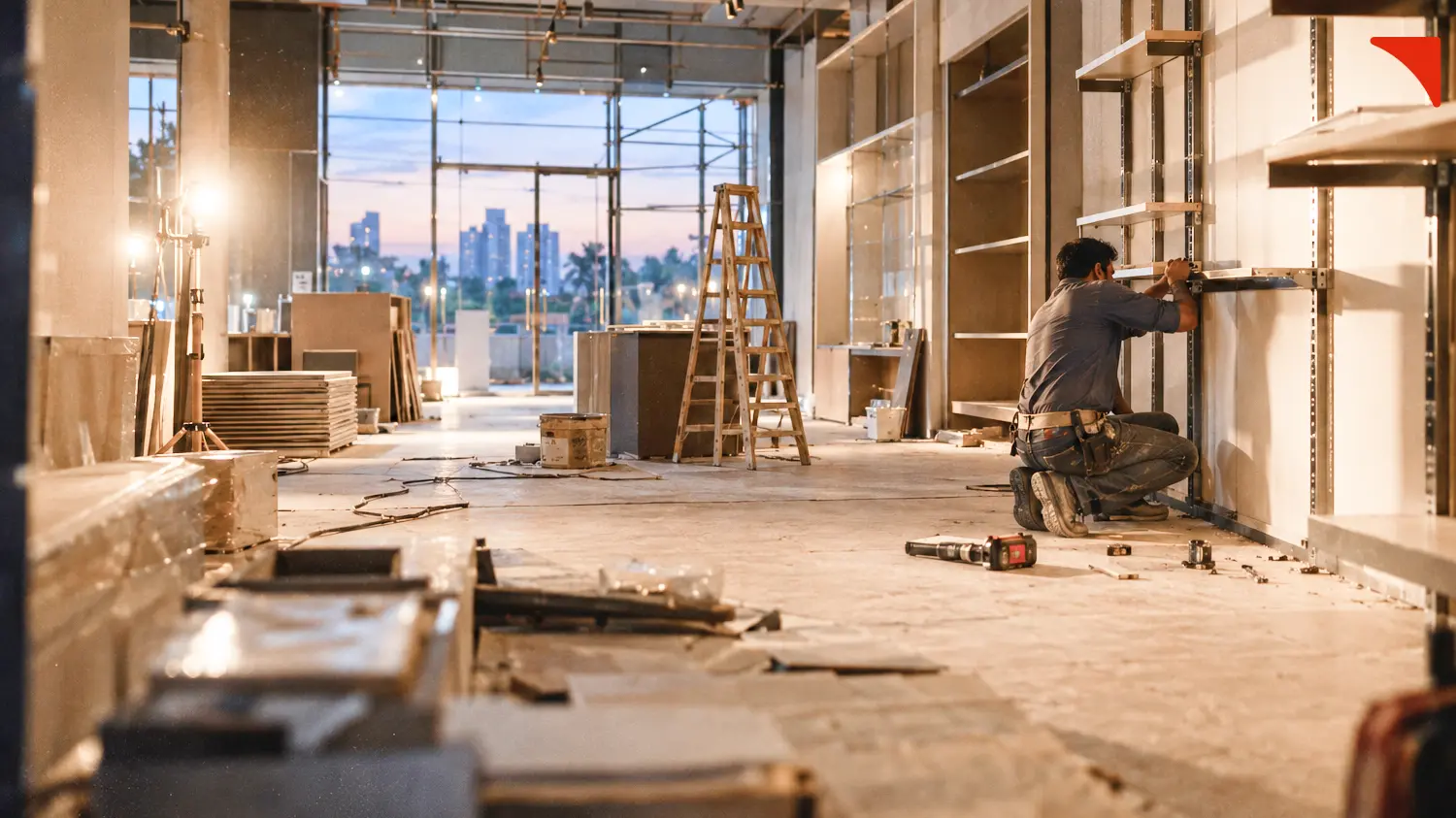
We are all aware of the fact that expanding a retail business in today’s hyper competitive and digitized era is not about opening new stores at different locations but instead goes way beyond that. It is actually about ensuring that every new retail touchpoint (whether a full fledged store, a pop-up shop, or any other format), irrespective of its size and location, should always aim at delivering a consistent retail experience to both its new and existing customers that they actually expect from the brand. It does not matter if we are talking about the layout, product fixtures and displays, signage and branding, or the lighting that has been executed in the store; consistency does play a very important role in making shoppers trust the brand and converting them into loyal customers.
One of the main challenges that most brands usually face while expanding their business is controlling all the moving parts included in this respective process. They need to align different phases, including market research, design finalization, fixture manufacturing, procurement of required goods and materials, transportation and logistics, site readiness, implementation, quality checks, and final handover, and ensure that all of them come together at the right time. In case any one of these stages falls behind, it is very much possible that the entire project might get delayed.
Well, this is exactly where retail execution enters the picture as a hero and acts as a savior by making real and actually noticeable differences. Instead of separately handling each and every retail phase, including strategy, design, and implementation, brands can simply practice integrated management. Doing this will help them connect and convert the entire rollout process into a single system that is streamlined and coordinated. This will further lead to various benefits, including the ones mentioned below:
Consistency Strengthens Retail Brand Identity
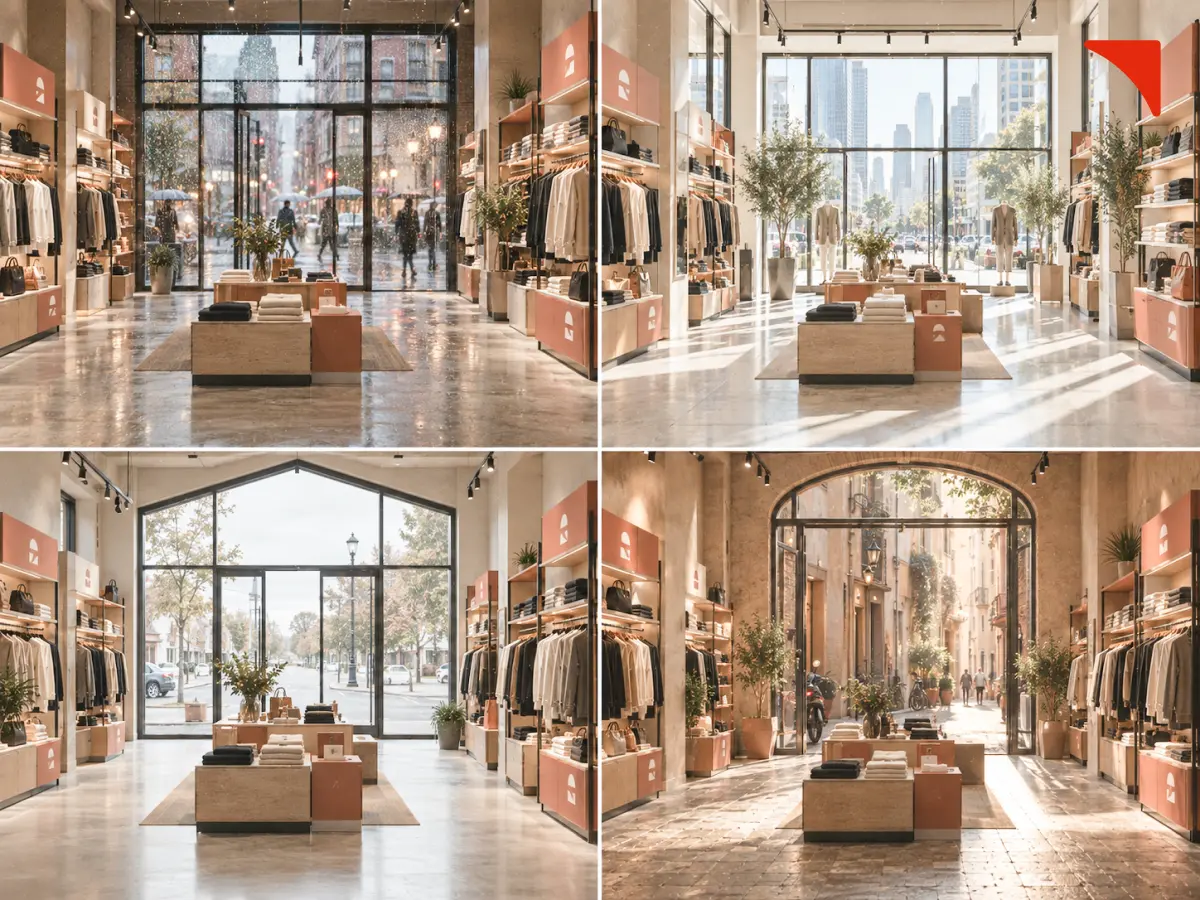
It is very evident that modern customers actually expect the same experience every time they visit a retail store of the same brand; when they come across familiar layouts, well organized displays, and consistent branding, they automatically start feeling confident about the brand and start building trust in it. This consistency is indeed a significant part of retail brand identity as it actually reflects the promise that an organization makes to its customers.
However, it is an undeniable fact that maintaining consistency across various locations is not as easy as it seems to be. Even the most minute mistake in the overall arrangement can directly lead to one store feeling disconnected from the rest of the retail network.
When commercial organizations opt for integrated execution, it automatically helps them ensure that each and every store follows the same design standards, installation guidelines, and quality benchmarks as well. As a result, every newly launched location significantly contributes to establishing a stronger identity instead of just creating a different customer experience.
One Connected Team Delivers Better Results
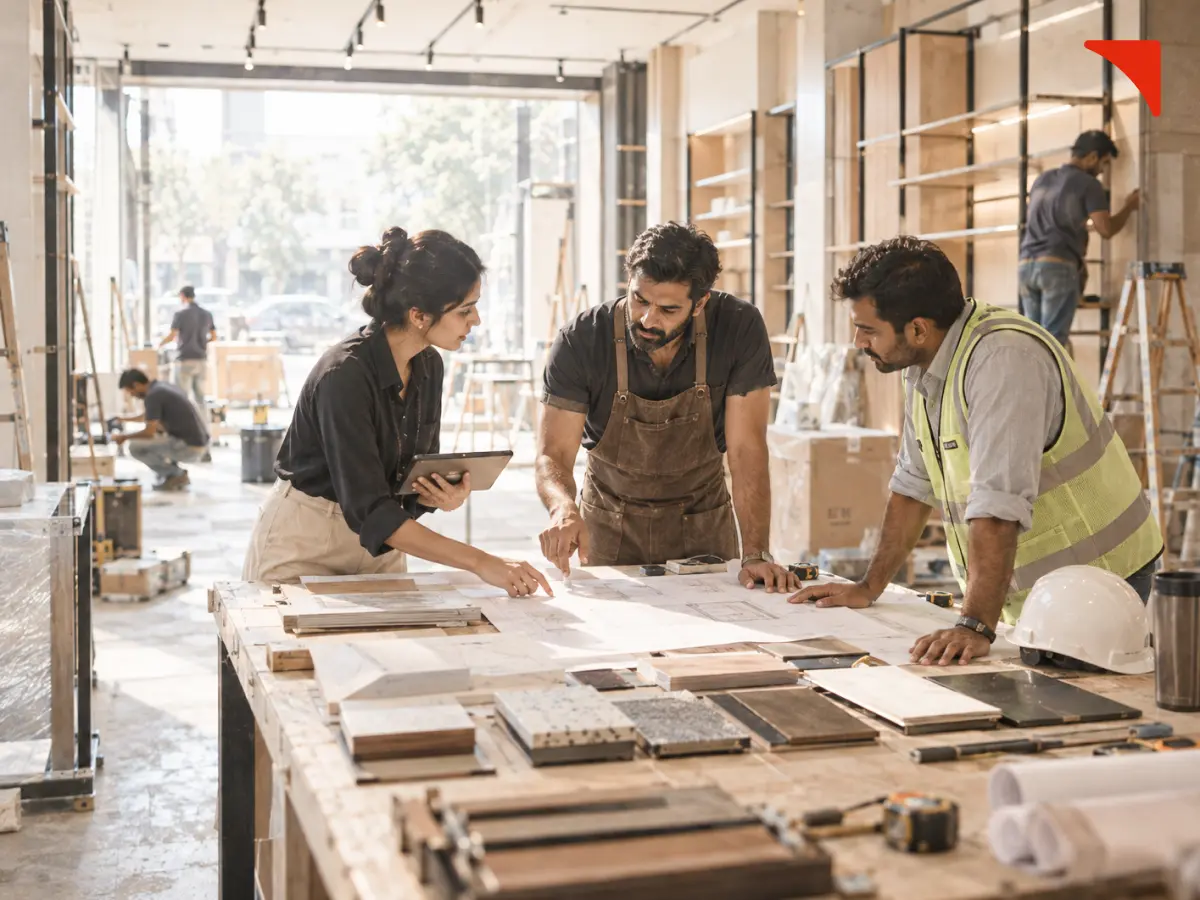
Even in this modern era, various retailers still work with different vendors in order to get their retail project completed. They hire a separate agency for getting their store design finalized, local vendors for manufacturing and procurement, and executioners. However, managing multiple vendors/partners is a very tough task that often leads to creating communication gaps, errors, and delays in project completion.
Opting for integrated solutions helps in eliminating these problems by simply bringing all these processes together under a single, coordinated process. And clearly, when there is a single point of coordination and accountability, retailers can seamlessly monitor progress across multiple stores. In addition, they can also identify any gaps and take corrective measures in the initial stages, that is, before a small thing gets converted into a big issue. This level of visibility might appear to be a small thing at first but is definitely a very valuable aspect in case of large scale expansions.
Technology Keeps Every Project on Track
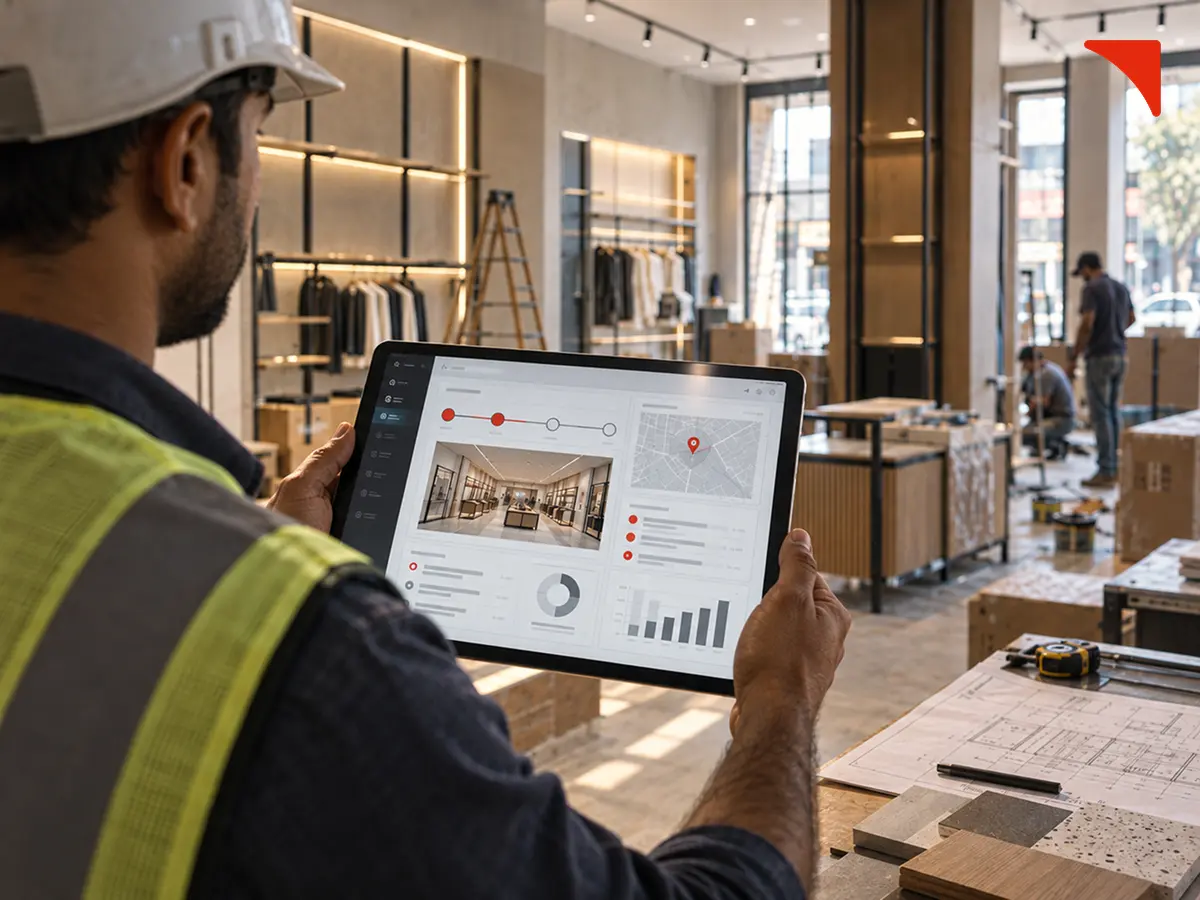
It is no longer an easy task for a retailer to manage multiple store rollouts through basic spreadsheets (Google Sheets, Excel, etc.), phone calls, WhatsApp messages, and emails. Doing this becomes insanely difficult. In fact, it has been observed that modern retailers have now started relying on digital tools that actually provide real time updates on every phase of the retail project, including manufacturing, logistics, installation, and site progress.
When everything is being managed through digital tools and centralized dashboards, stakeholders can’t just track milestones but also monitor which tasks are still in progress and which have not been started yet. Also, they can receive updates from different locations, that too, without being present at that space or waiting for manual reports.
This level of visibility and transparency does not just help teams in making quick and informed decisions. But it also reduces the chances of delays being caused due to poor communication. When every store owner has access to the same level of project information, the execution process automatically becomes even more predictable, effective, and efficient.
Creative Design Needs Strong Execution
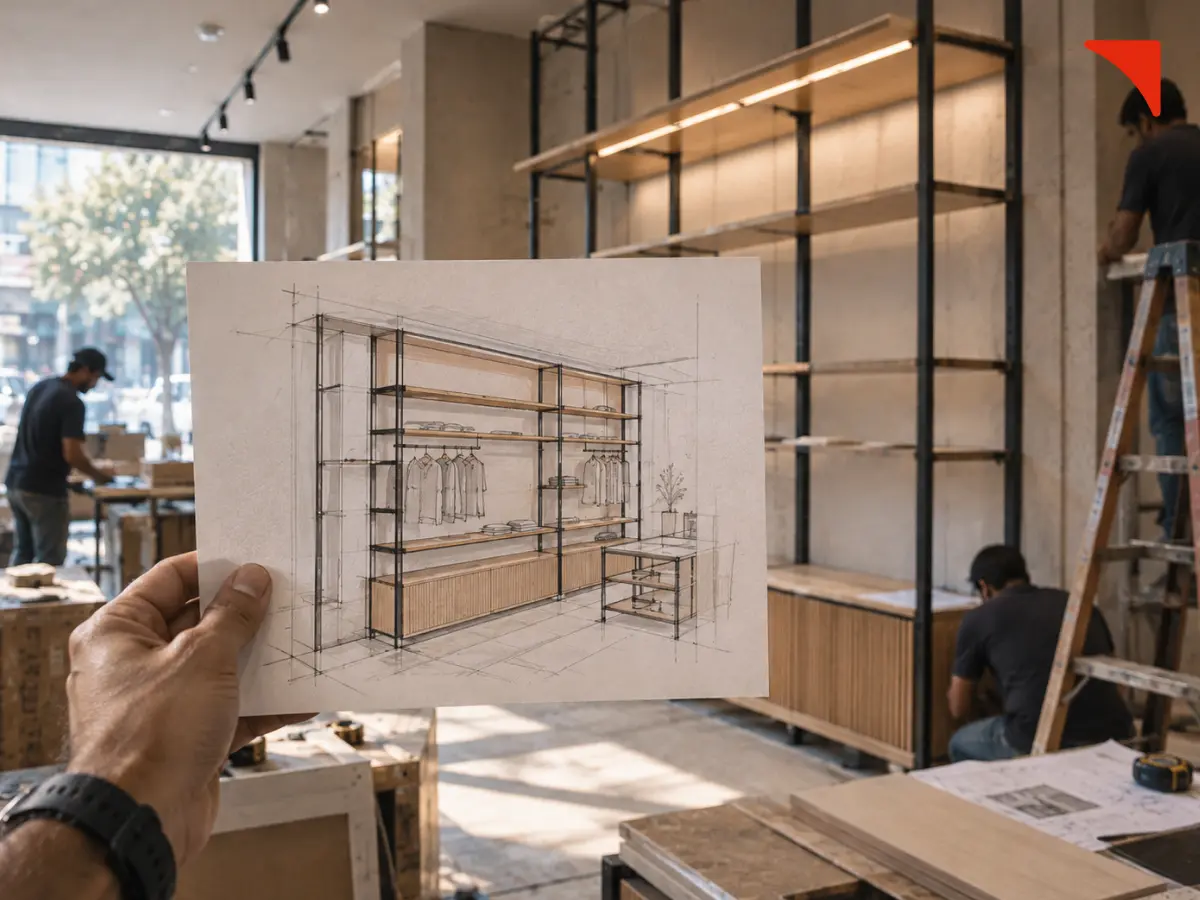
Many retailers often consider investing in unique store concepts and hence work with a reliable and experienced boutique design agency. Professionals that are experts in this field have a great understanding of customer behavior. This is why they are able to come up with ideas that help in creating and establishing memorable retail experiences. Clearly, a store that is well designed will automatically appeal to the eyeballs of target customers, encourage them to step inside the space, and elongate their total visiting time.
However, even it is an undeniable fact that even the best concepts end up losing their impact and fail miserably if they are not executed in a proper manner. Irrespective of how immersive the fixture design is, if it has inconsistent finishes, is not installed in a proper manner, or is poorly placed at the wrong location, it will definitely change the intended customer experience in a negative manner.
This automatically makes it very clear that execution is just as important as design. A retail design agency might create an excellent retail concept, but it’s integrated retail store execution that helps in ensuring that each and every detail, whether small or big, is actually being delivered in a way in which it was planned, irrespective of the number of stores that are being launched.
Final Thoughts
We would end this blog with the same as it was started with. A long time back, retail expansion was all about opening more stores. But in today’s era, the store count is not what matters the most. Instead, the respective process now revolves around launching every new store with the same quality, on the time it was actually planned, and with the same brand experience.
When brands opt for integrated execution solutions, it helps them bring planning, logistics. Installation, and quality control together in a single connected and controlled process. This automatically leads to various advantages, including reduced rollout delays, improved coordination between teams, and a consistent brand image and identity across every retail touchpoint.
For any retail brand owner that is looking forwards to expanding its business and planning for long term growth, completing projects should never be the end goal. Instead, they should be focusing more on actually building stores that deliver the same or improved experience in a uniform manner, strengthen the visitors' trust in the brand, and also develop a reliable foundation for future expansions.