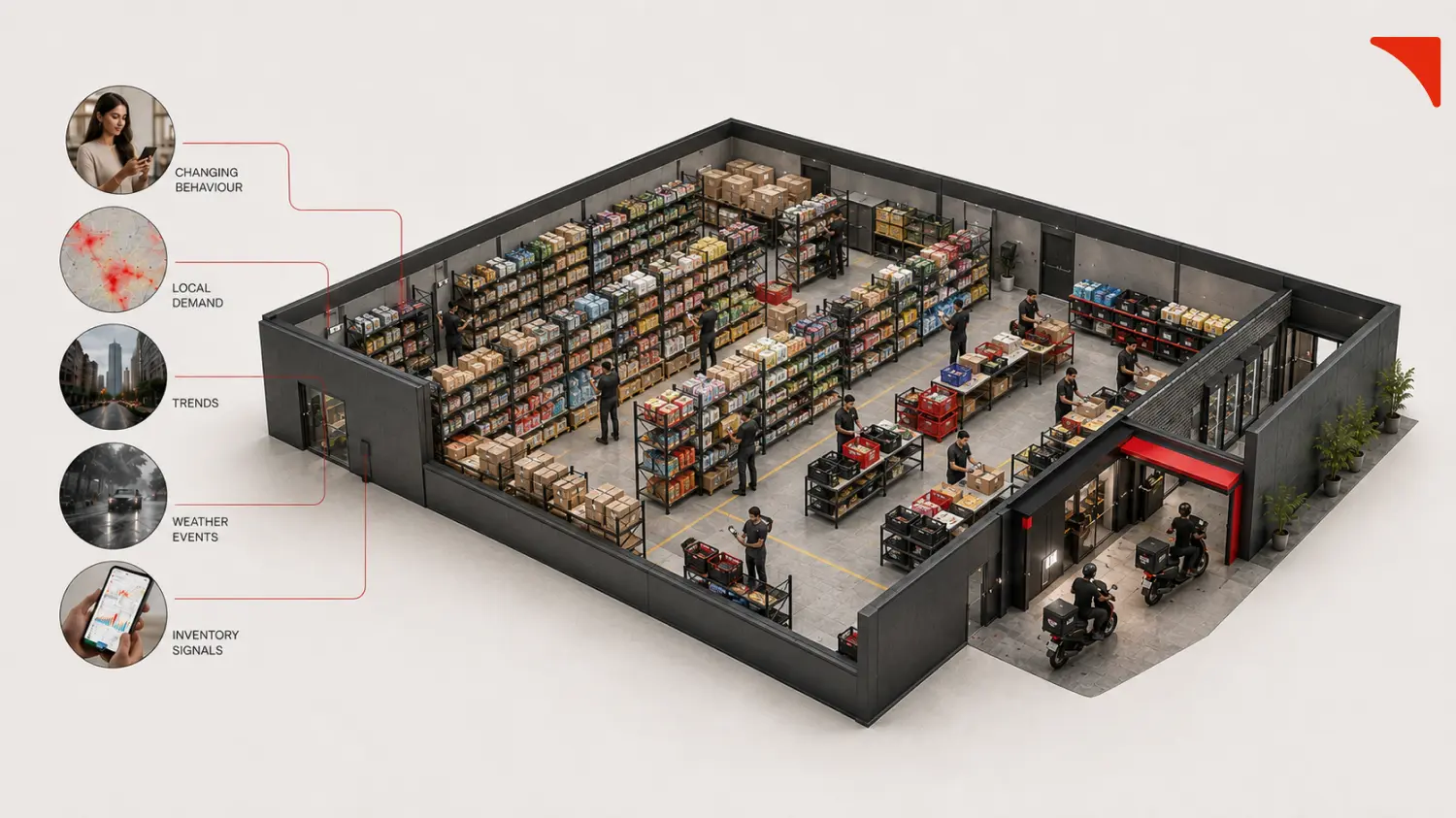
It has been noticed that modern shoppers no longer follow a straight shopping journey.
According to data provided by Google, it was seen that 8 out of 10 purchase journeys today involve multiple touchpoints.
Shoppers discover products through social media, search for the same item on different online platforms, compare better options, and expect quick delivery once they finally decide to buy it. Well, this is why dark stores are no longer considered as delivery centers. Instead, they are now seen as and expected to act like smarter fulfilment hubs that help retail brands promptly respond to rapidly changing customer needs.
As commercial organizations continue with their global retail expansion and establish an operational network across different regions and localities, dark stores actually serve various benefits. They help the brand build faster as well as more efficient fulfillment networks that can seamlessly cater to rising and evolving shopper expectations.
In this content, we have listed a few strategies that can help brands establish an effective dark store design and turn their space network into faster, smarter hubs that stay one step ahead of shoppers and global competitors. Hence, let’s get started with the same.
Design Dark Stores Around Mission-Based Shopping
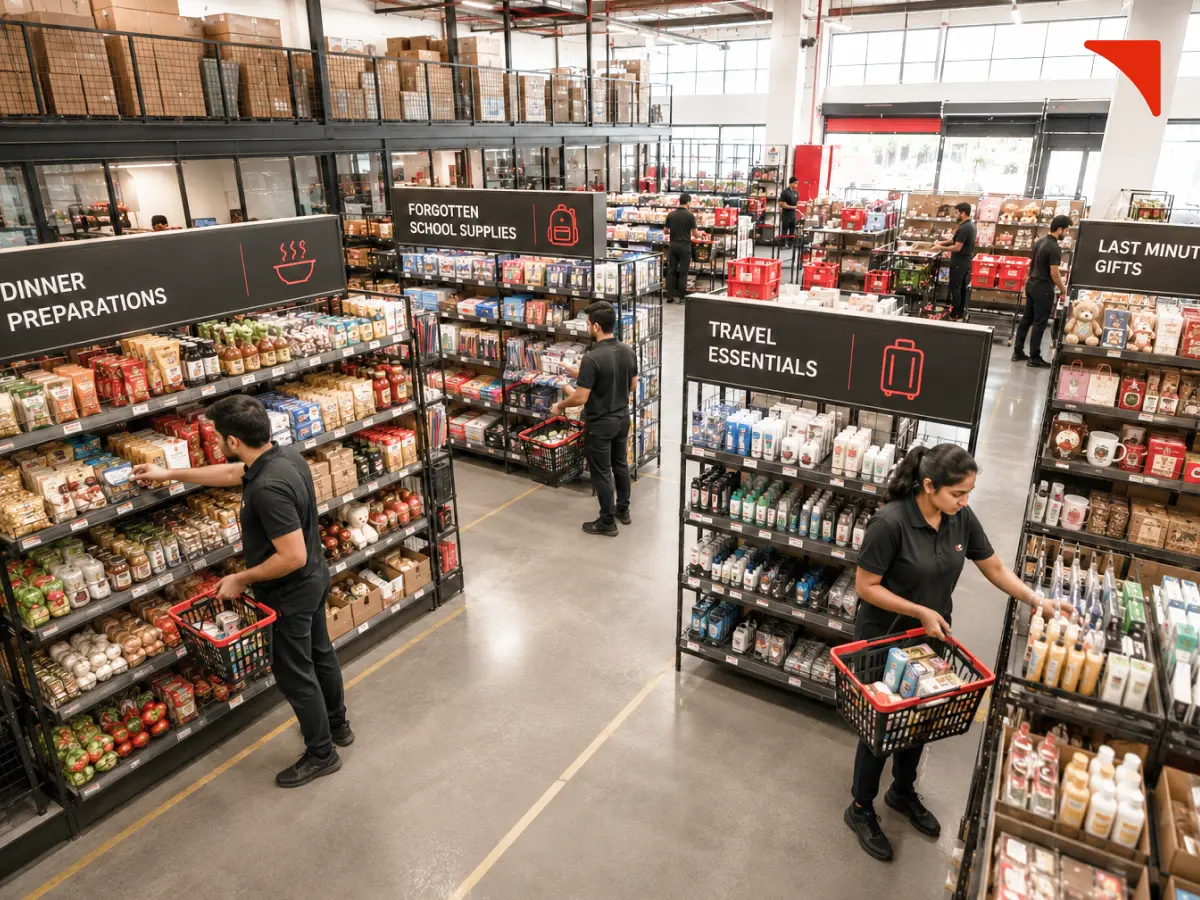
There are numerous e-commerce brands that have started offering fast deliveries. Hence, this is no longer the only advantage. According to a survey conducted by McKinsey, it was found that most shoppers are happy or have no problem in waiting a few days for regular deliveries, because speed only becomes valuable when it solves an immediate need. Considering this, it becomes extremely crucial for retailers to actually understand what customers need before they finally place an order.
Mentioned below are a few tips to take into consideration:
For example, UK retailer Boots has literally doubled on-demand delivery from 250 stores to 500 stores (data source: WGSN). This initiative has made more than 10,000 health, beauty and wellness products instantly available for shoppers through delivery partners. In addition, the respective stores also cater to urgent scenarios, including cold and flu relief and last minute gifting, further depicting how local networks can solve small but high pressure needs that actually shape shopper loyalty.
Use Trends to Predict Demand
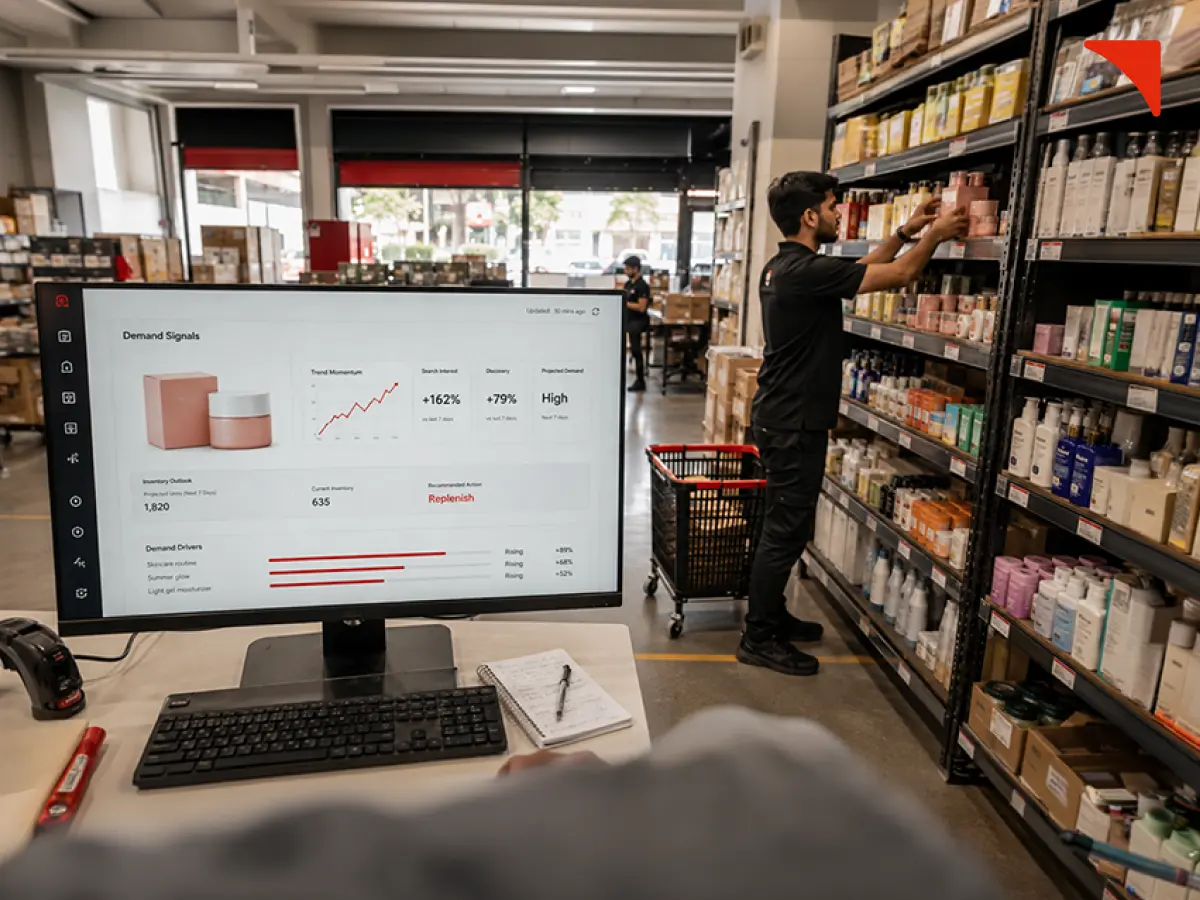
Because of social media, recommendations from AI, weather changes, and other similar influential platforms/aspects, shopping trends are actually changing within days, and even hours.
According to a May 2025 Deloitte report, it was noted that 61% of consumers discovered a new brand or product on social media in the previous year. On the other hand, a study by Salesforce found that 39% of consumers and half of Gen Z already use AI for product discovery.
This is exactly why retailers, irrespective of whether they belong to the online, offline, or quick commerce industry, should be prepared in advance instead of just reacting when the demand appears.
Nykaa Now fits as a perfect example over here. It is a Beauty and Personal Care (BPC) and Fashion retailer operating within the geographical boundaries of India. The brand is now expanding rapid beauty and personal care delivery across top cities, with traction coming from products across price points, including luxury. This initiative automatically points to a future where beauty urgency, replenishment, and social led discovery can actually become dark store ready rather than standard e-commerce orders.
This approach will not just help them establish successful dark stores but will also help during global retail expansion by simply letting retailers understand local buying patterns before entering new markets. And clearly, when brands leverage effective demand forecasting, it allows businesses to stock the right product from day one and further deliver a more consistent as well as relevant customer experience.
Build Trust Through Transparency
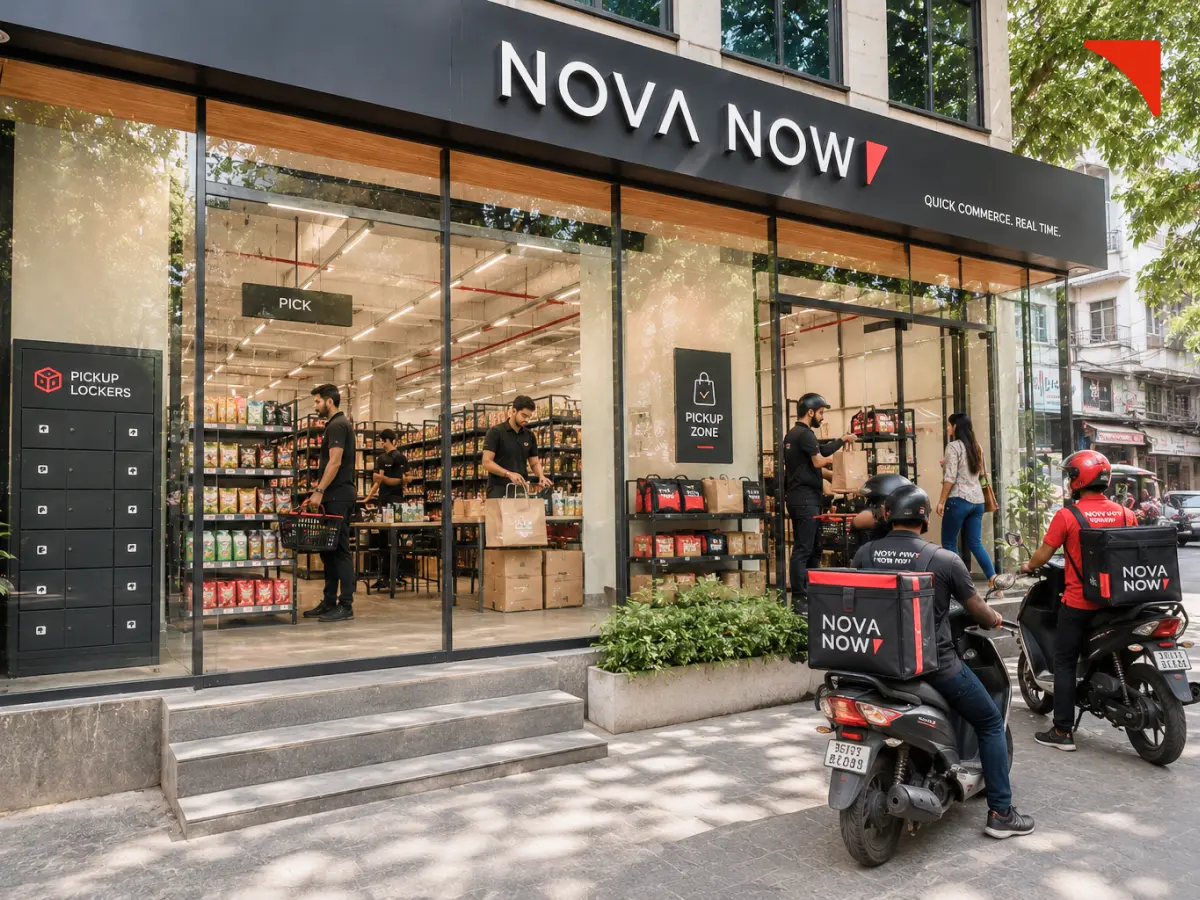
Even though modern customers appreciate fast delivery, they are still curious and interested in knowing where and how the products are handled and shipped from. Considering this scenario, quick commerce retail brands need to build customer trust. They can achieve this by following the below mentioned strategies:
Swiggy Instamart in India has piloted a physical experiential store in Gurugram, moving beyond pure app led fulfillment into a format designed for touch, feel, and consumer engagement.
Winding it up: The Future of Dark Stores!
With the information above, it is very much clear that dark stores are no longer just about speed. Instead, the future belongs to retailers that can:
Utilize technology, data, and insights to make customer fulfillment more accurate, consistent, and efficient.