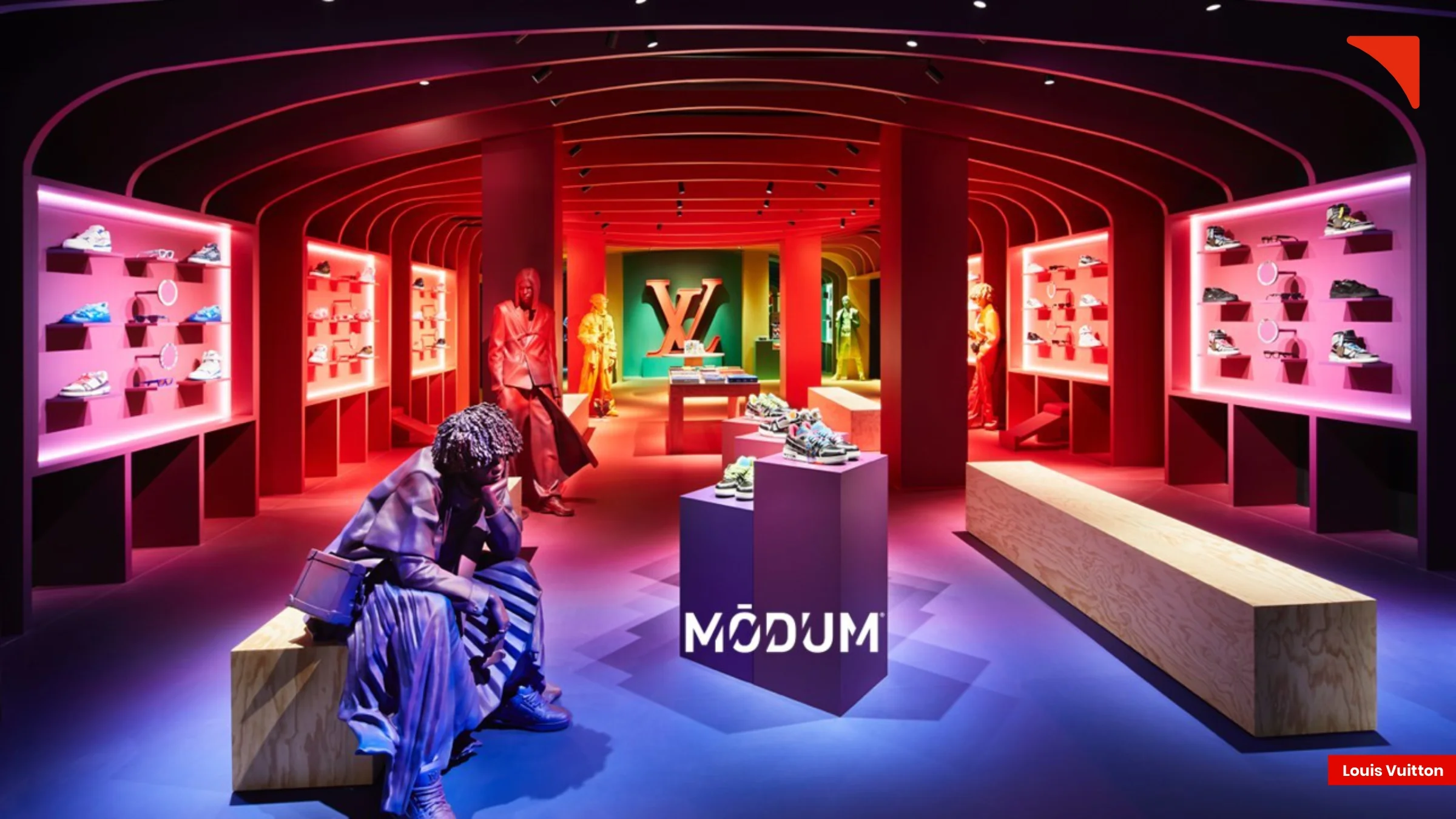
For endless decades, physical retail has always been measured primarily through metrics such as sales per square foot, footfall, and transactional volume. However, things are no longer the same. The rise of online shopping has drastically transformed the role of a physical shopping store. In today’s scenario, the overall success of a retail space is not just measured by the amount of sales generated. Instead, they are actually expected to act as immersive brand destinations that are specifically designed to increase engagement, strengthen emotional connections, and drive long term profitability.
This shift is not at all random and is strongly supported by consumer behavior. According to the data gathered by a PwC Global Consumer Insights Survey, approximately 72% of consumers have said that the shopping experience provided by a brand is one of the most important factors that significantly influences their purchasing decisions. The same survey also revealed that only 45% to 49% believe that brands are actually capable of providing a good consumer experience.
This gap clearly presents a great opportunity for retail brand owners to differentiate themselves in the competitive market and establish dominance through appealing to and retaining customers by simply moving beyond traditional layouts and instead opting for an experiential store design.
Experience Drives Time, and Time Drives Sales
Dwell time is indeed one of the strongest indicators of retail success. In simple terms, it can be defined as the amount of time customers spend inside a store.
A research by RetailNext indicated that customers who spend more time in stores do not just show high engagement rates but are more likely to leave with a shopping bag in their hands.
When brands ditch a traditional store design and instead opt for an experiential one, it helps them strategically increase the overall dwell time by simply introducing elements, including interactive displays, sensory experiences, digital installations, and storytelling zones, that encourage exploration, interaction, and discovery. Incorporating these elements does not just boost engagement levels, but they actually convert passive browsing into active participation.
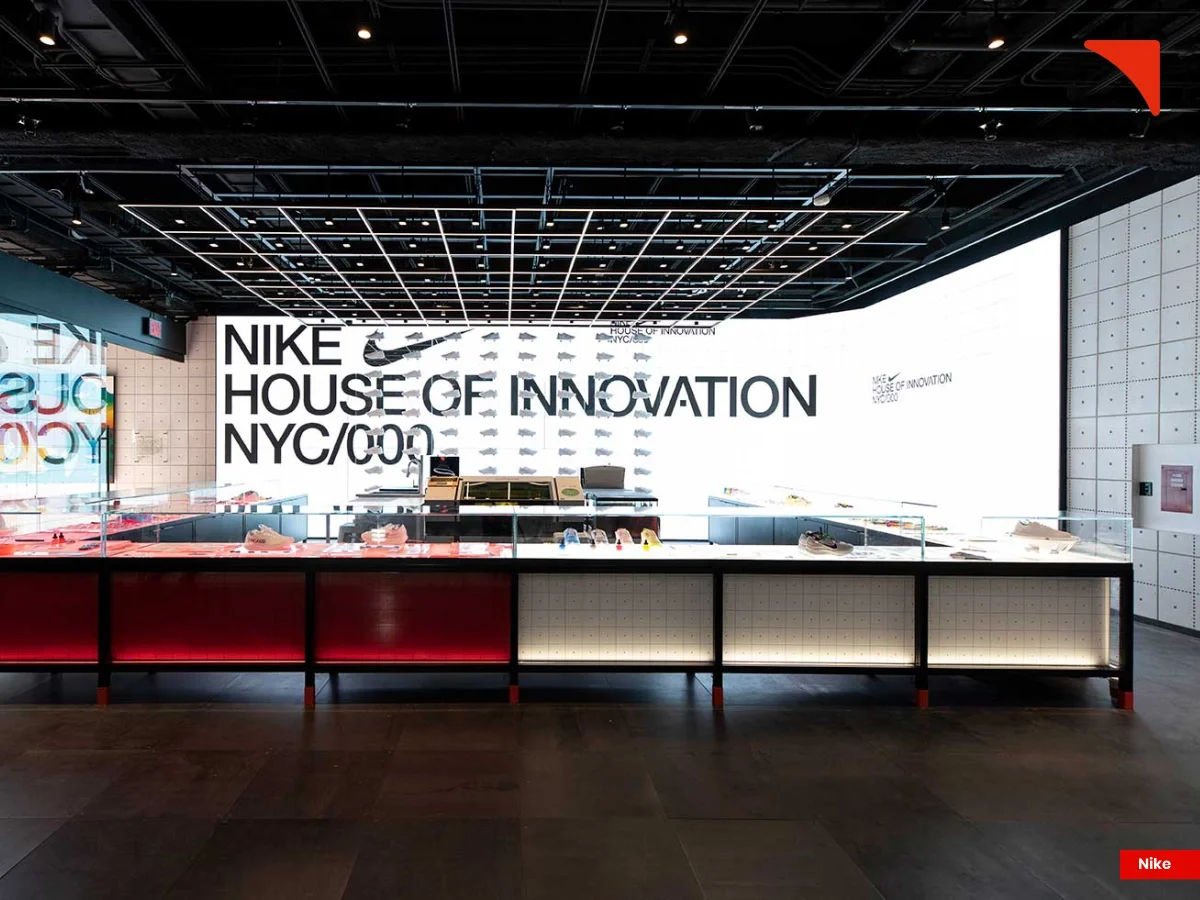
Nike’s House of Innovation stores in various cities, including New York and Shanghai, are one of the most notable examples. The respective outlets offer customers a seamless shopping journey by combining digital customization, interactive product experiences, and mobile integration. These features did not just increase the overall foot traffic but also boosted customer engagement while simultaneously promoting stronger brand loyalty.
Apple Stores are also a similar and highly relevant example. They have clearly demonstrated how experience driven platforms can outperform traditional retail formats. By simply facilitating hands-on product interaction, educational sessions, and community driven experiences, this respective retail strategy helped Apple generate around 5500 dollar sales per square foot. According to the industry experts and retail analysts, this made it one of the highest performing retail formats in the entire world.
The Financial Value of Customer Experience
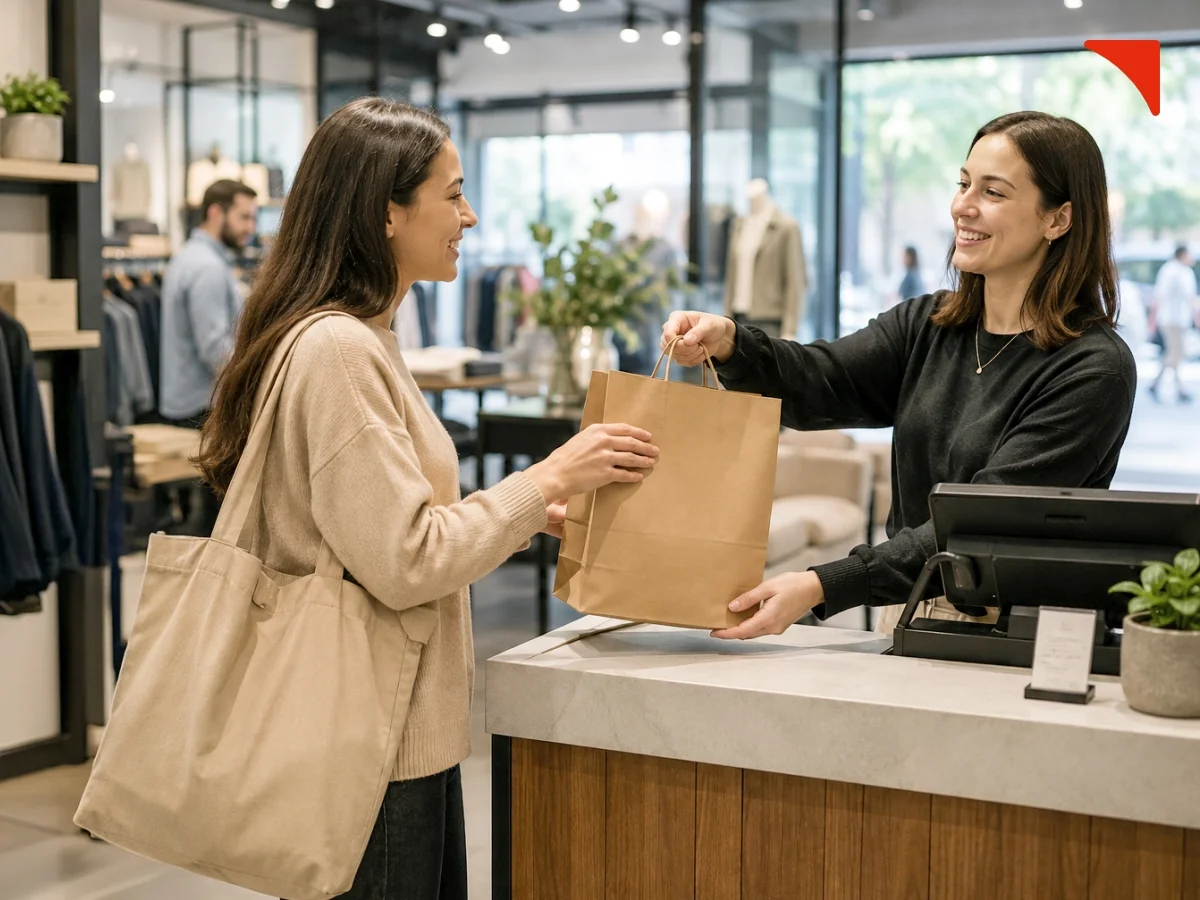
There has always been a very strong connection between customer experience and revenue. In today’s competitive retail field, that connection is becoming even more stronger and measurable.
According to a report shared by Forrester, it was found that companies that lead in customer experience often experience improved customer retention, increased spending, and strong brand advocacy. As a result, they often outperform competitors.
Another study by the American Express helped in finding out that around 85% to 85% of modern customers have no problem and are actually willing to pay more for a better customer experience. This data again clearly highlights that modern consumers do not just opt for offline shopping to merely buy products. Instead, they highly value convenience, personalization, and memorable interactions over price alone.
Well, this is exactly where the concept of experiential store design comes into the play. Unlike traditional designs or layouts, it actually creates a measurable return on investment. When retailers strategically execute a thoughtful retail environment, it helps them seamlessly influence customer movement, improve the way how their products are being displayed and discovered, and, at the same time, also encourage cross category purchases. All this eventually leads to developing strong interpersonal connections that further promote repeat visits.
For retail brands that are planning for store expansion, these insights hold much more importance. Replicating a design across multiple stores and spaces is not the main task. Instead, brands do face a tough challenge in replicating the success that they achieved through their initial store(s). Expanding a business and launching stores across new markets requires more than just establishing visual consistency. It actually requires creating and establishing a scalable design and experience that delivers consistent customer engagement and smooth business performance.
Technology and Personalization Are Accelerating ROI
Modern experiential stores are and will be increasingly powered by technology.
According to a study by McKinsey, it was found that personalization in a store design can deliver nearly 5% to 15% revenue growth and, at the same time, also improve marketing efficiency by 10% to 30%.
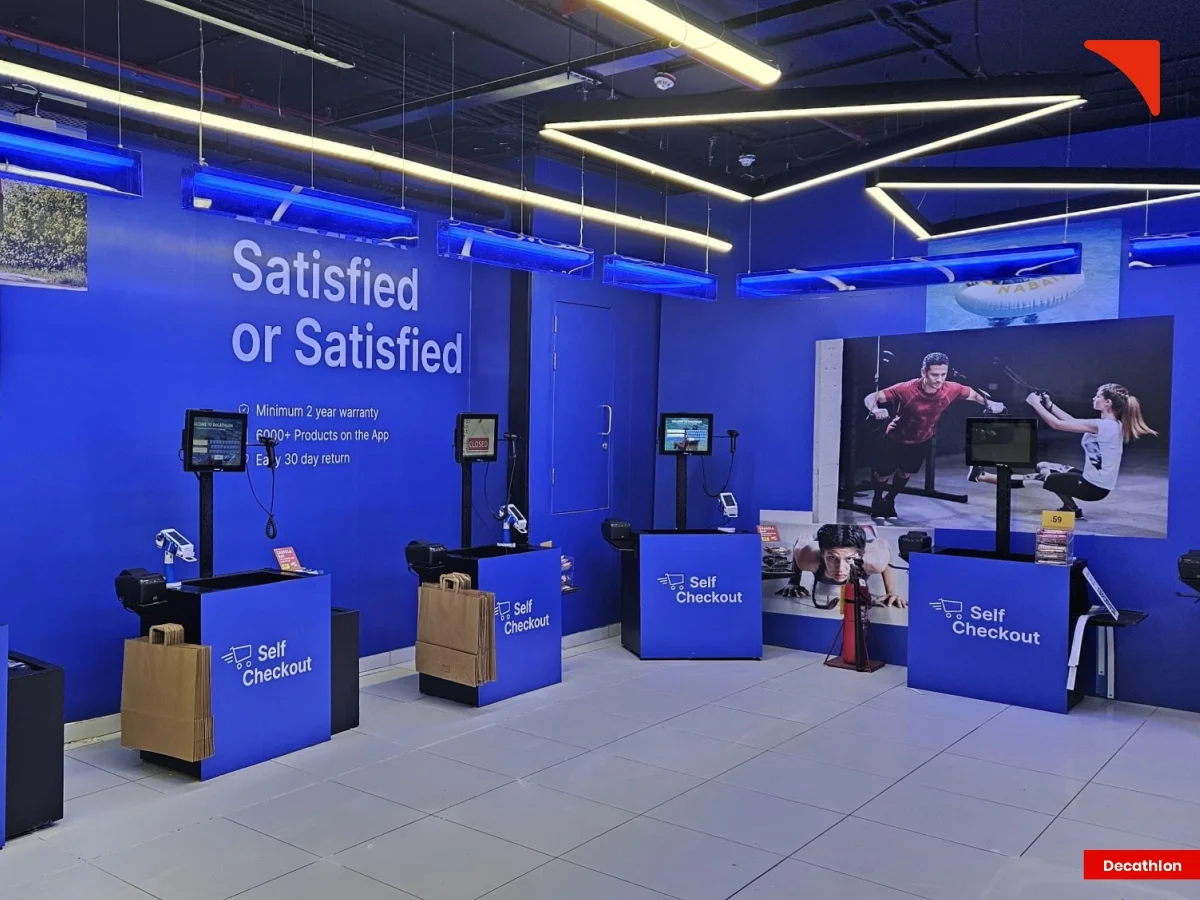
But the main question is, how can retailers achieve this in physical retail? Well, the answer is simple. In order to personalize their stores and provide customers with an immersive experience, they can consider integrating aspects like AI powered recommendations, smart mirrors, mobile integration, and data driven merchandising strategies.
Apart from technology, an experiential design also adds more to overall operational efficiency. Considering aspects like strategic layouts, intuitive navigation, and effective product zoning will not just improve product visibility. Instead, they will also streamline the way customers move within a store and ultimately contribute to higher conversion rates.