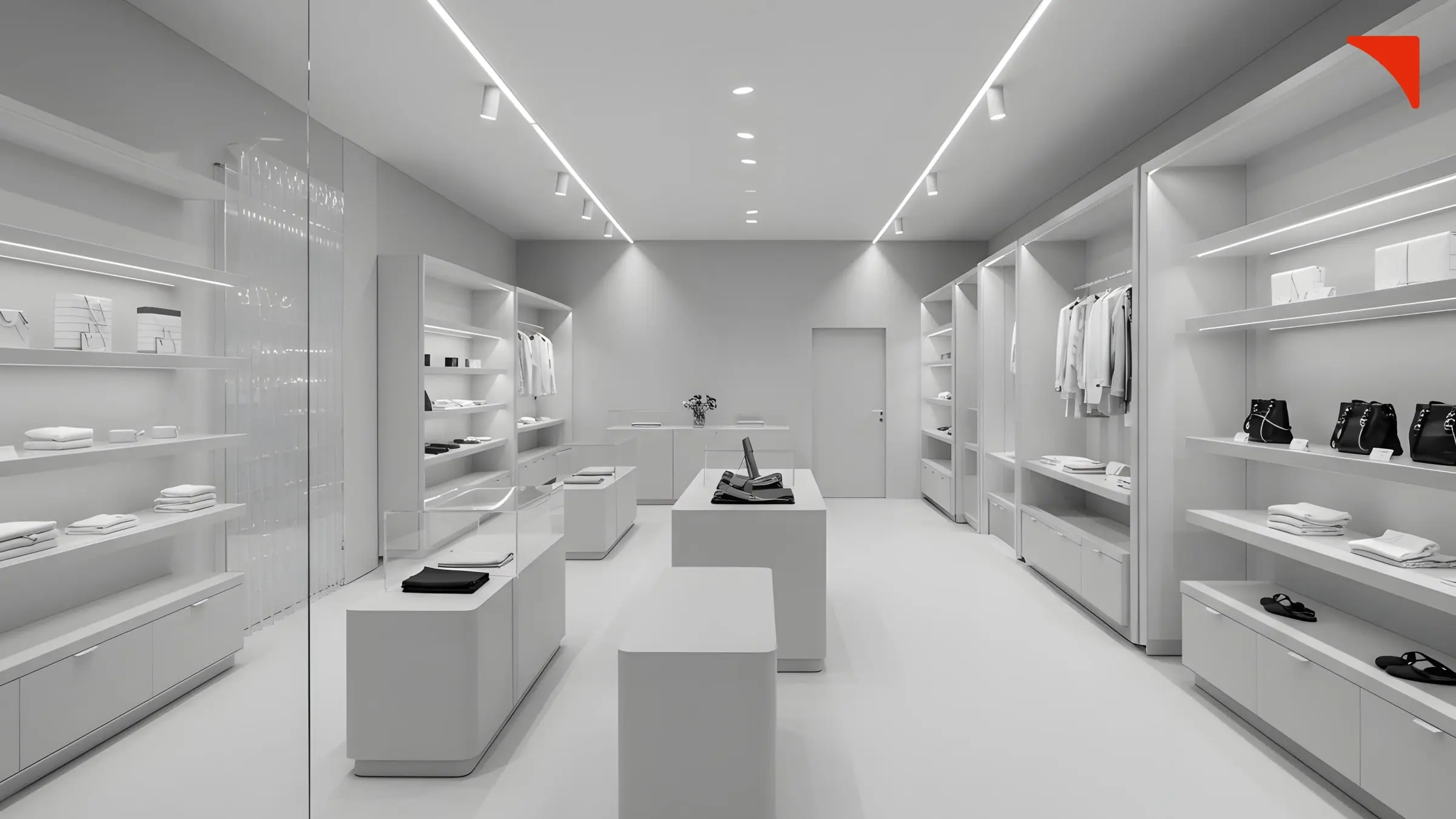
In the ever changing world of retail design, providing an unforgettable consumer experience is essential. Monochromatic motifs, once linked with minimalism, have evolved into a new persona in contemporary retail settings, embracing brightness, depth, and playfulness. This advanced design technique employs a single colour palette across all elements while incorporating textures, lighting, and transparency to create an immersive experience. Retailers who use this trend report that it boosts brand identity, fosters emotional ties, and increases consumer retention.
Strategies for designing immersive monochromatic spaces!
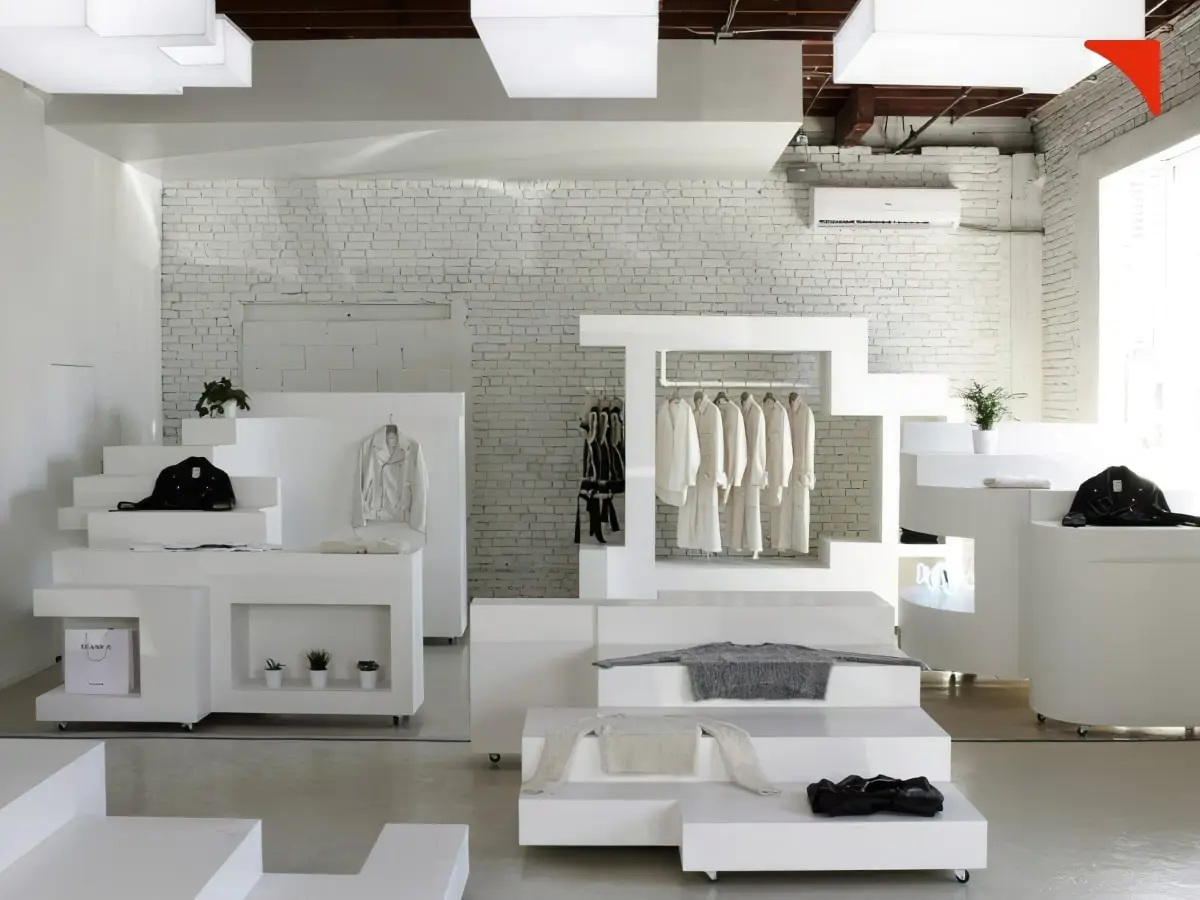
1. Creating Positive and Youth Driven Environments:
According to the Retail Design Institute's 2023 survey, 68% of Gen Z shoppers choose businesses with playful and dynamic designs.
Bold and lively colour palettes are commonly used in retail areas aimed toward younger generations. Brands can see bold colours on the walls, furniture, and practical equipment. They can also consider combining a monochromatic palette with tactile installations or photogenic locations to stimulate social media sharing, which can boost organic brand promotion by up to 42%.
2. Leveraging the Power of Transparency: Transparency helps break up the monotony of a one colour design by adding layers, reflections, and depth. To accomplish this, retailers can consider the following points.
3. Lighting As A Design Element: Lighting is important to enhance the monochromatic experience.
4. Material Play for Visual Interest: In order to avoid monotony, retail brands can hire a reputed retail design agency and further ask it to incorporate a diversity of textures within their selected colour palette.
Implementing these methods adds visual and tactile richness, making the store layout design feel more inviting.
Gentle Monster, a Korean eyewear brand, shows how monochrome design may result in a surreal shopping experience. Their Shanghai store transports clients into a futuristic world with white and pastel colours, textured walls, translucent dividers, and dynamic lighting. All this further resulted in a 45% increase in the overall foot traffic within six months after opening.
The Science of Monochrome Design
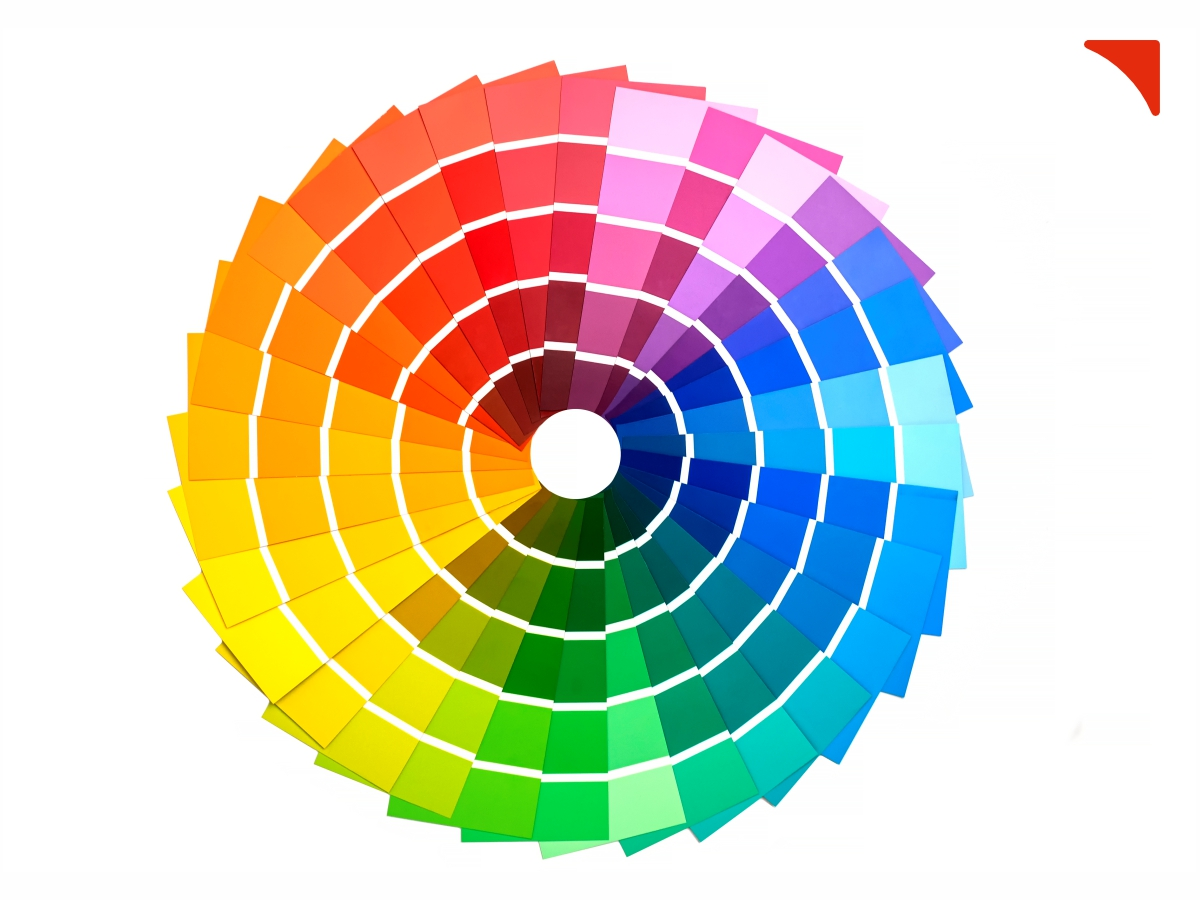
1. Colours have significant psychological effects
For example:
Retailers can use these impacts to reinforce their brand identity and elicit desirable customer sentiments.
2. Perception of space: Monochromatic palettes, when utilized carefully, can change the perspective of space. Light tones can make small spaces appear larger, whereas darker tints provide comfort to vast rooms.
3. Enhanced Memory Recall: Consistency in design increases client recall. According to studies, a cohesive visual theme can improve memory retention by up to 67%, ensuring that clients remember the company long after they visit.
Challenges Faced When Implementing Monochromatic and How To Overcome Them!

1. Risk of Monotony: Monochromatic designs are coherent, although they can feel repetitious at times. To mitigate this, consider layering and using textures. Retail brands can incorporate dynamic lighting in their store layout design to vary the intensity. In addition, they can also consider integrating whimsical design features such as mirrors and interactive screens.
2. Colour Selection: Choosing the wrong colour can drive apart your intended audience. Hence, it is crucial for retail brands to conduct market research and match colour schemes to customer preferences and branding values. They can also consider hiring a retail design agency and opt for their research and planning services to accomplish the same.
3. Maintenance: Bright, single colour designs might showcase dirt or wear. To keep the area looking spotless, use materials that are long lasting and easy to clean.
Future Trends in Monochromatic Retail Design
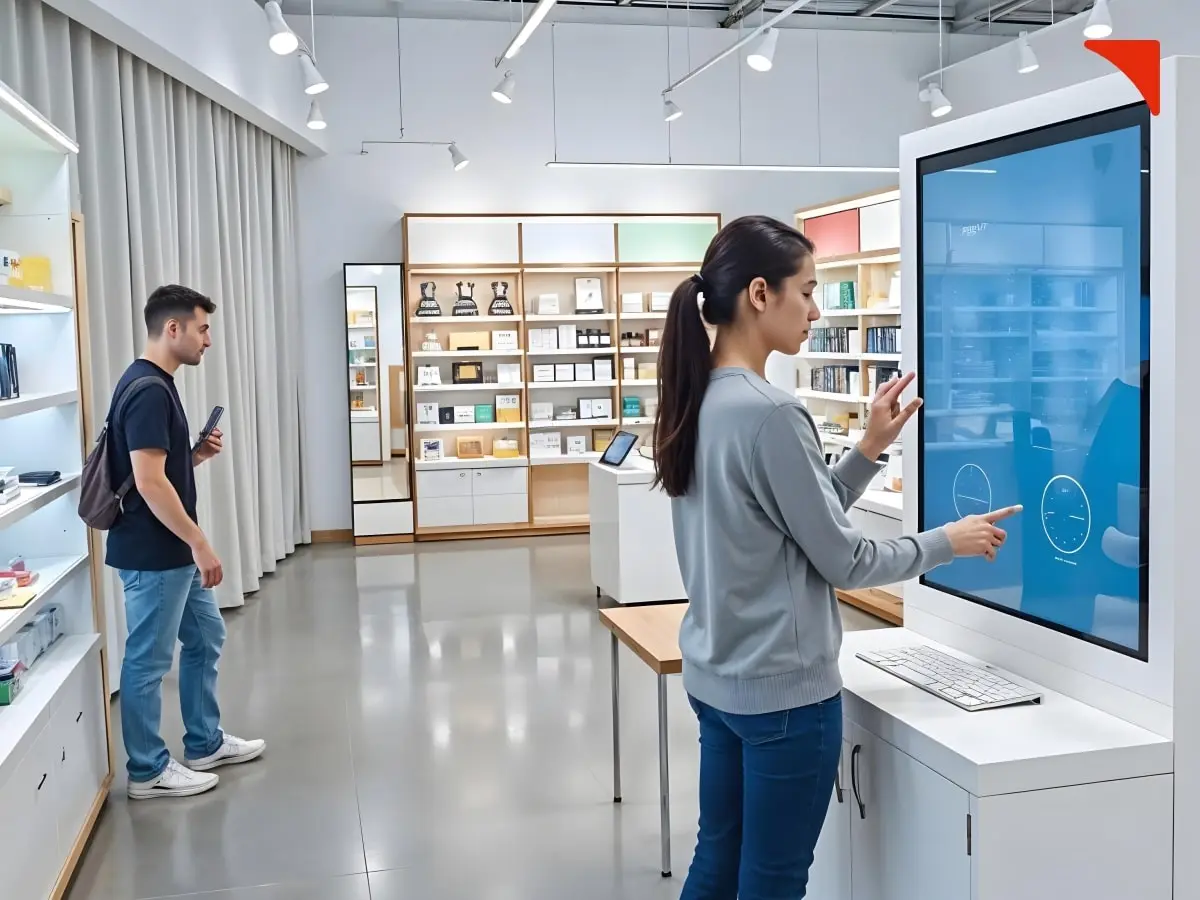
As technology progresses, monochrome designs will evolve.
Monochromatic motifs are no longer limited to minimalist or modest retail designs. They have evolved into effective tools for designing playful, immersive retail settings that appeal to current consumers. As the retail scene grows more competitive, adopting new monochromatic designs can assist firms in differentiating themselves, developing deeper customer connections, and driving long term success. The future of shopping is bright, colourful, and wonderfully monochromatic.