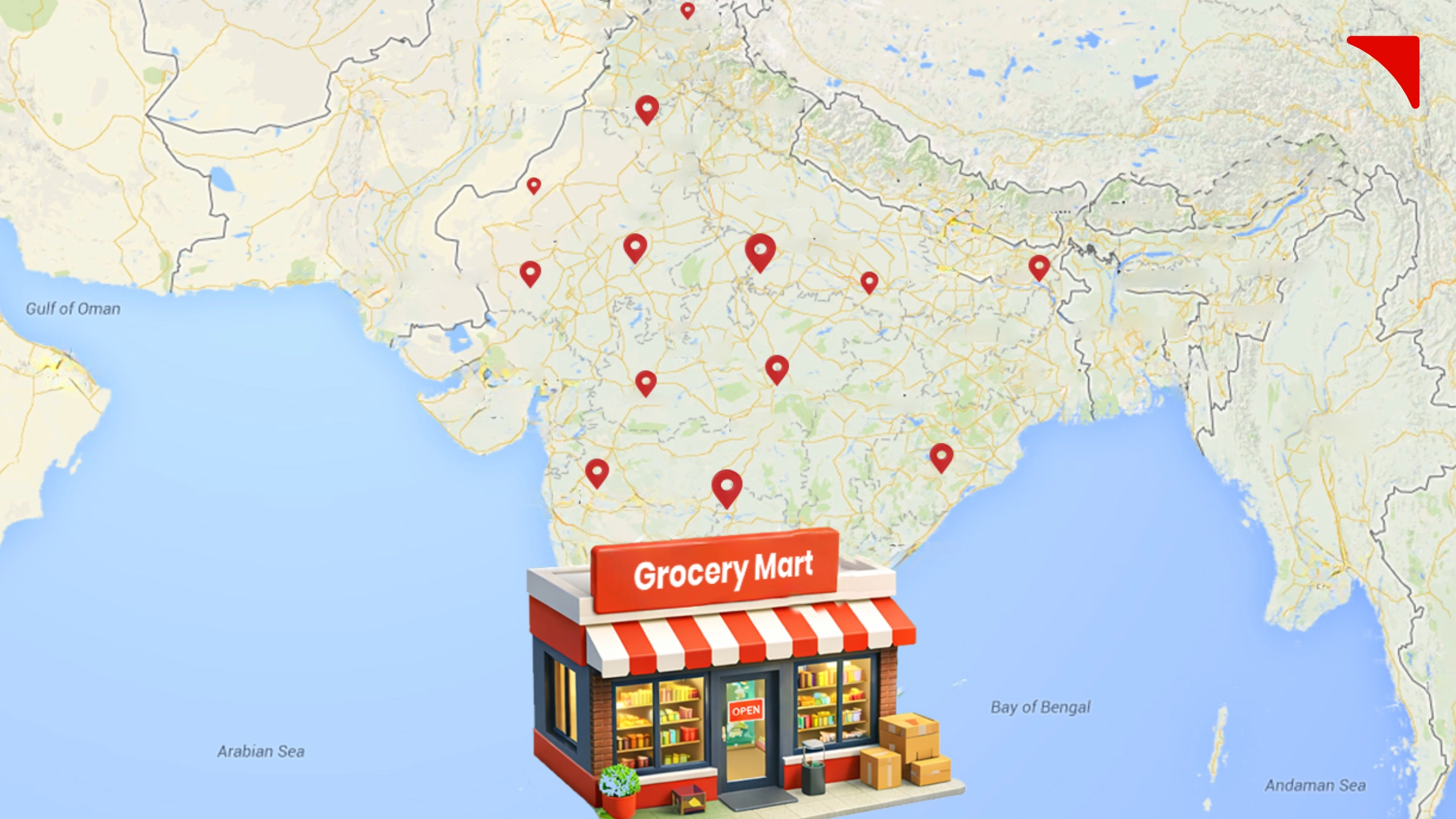
It has been a long time since we have been reading it in headlines and hearing that physical retail was dying. And because it was very evident that online shopping was growing at a rapid speed, malls were closing, etc., many of us believed that physical retail outlets would actually disappear. But it's the data that tells a completely different story.
Physical retail is not dead. In fact, retail expansion in brick and mortar is accelerating again in 2026, but just in a smarter and more strategic manner.
You will be surprised by the fact that more than 75 to 85 percent of total sales happening in the world take place through physical stores. Also, it might be shocking to know that even in the most highly developed markets, the sales derived by online retail are just 15 to 25 percent of the total ones.
Well, this data clearly highlights the fact that physical stores are still the primary place where customers spend the maximum amount of money. Hence, physical retail is not declining; it is actually transforming.
Through the medium of this insightful article, we will discover the main reasons why retail brands have started operating for physical expansion again. Let’s begin with it now!
Omnichannel Makes Stores More Powerful
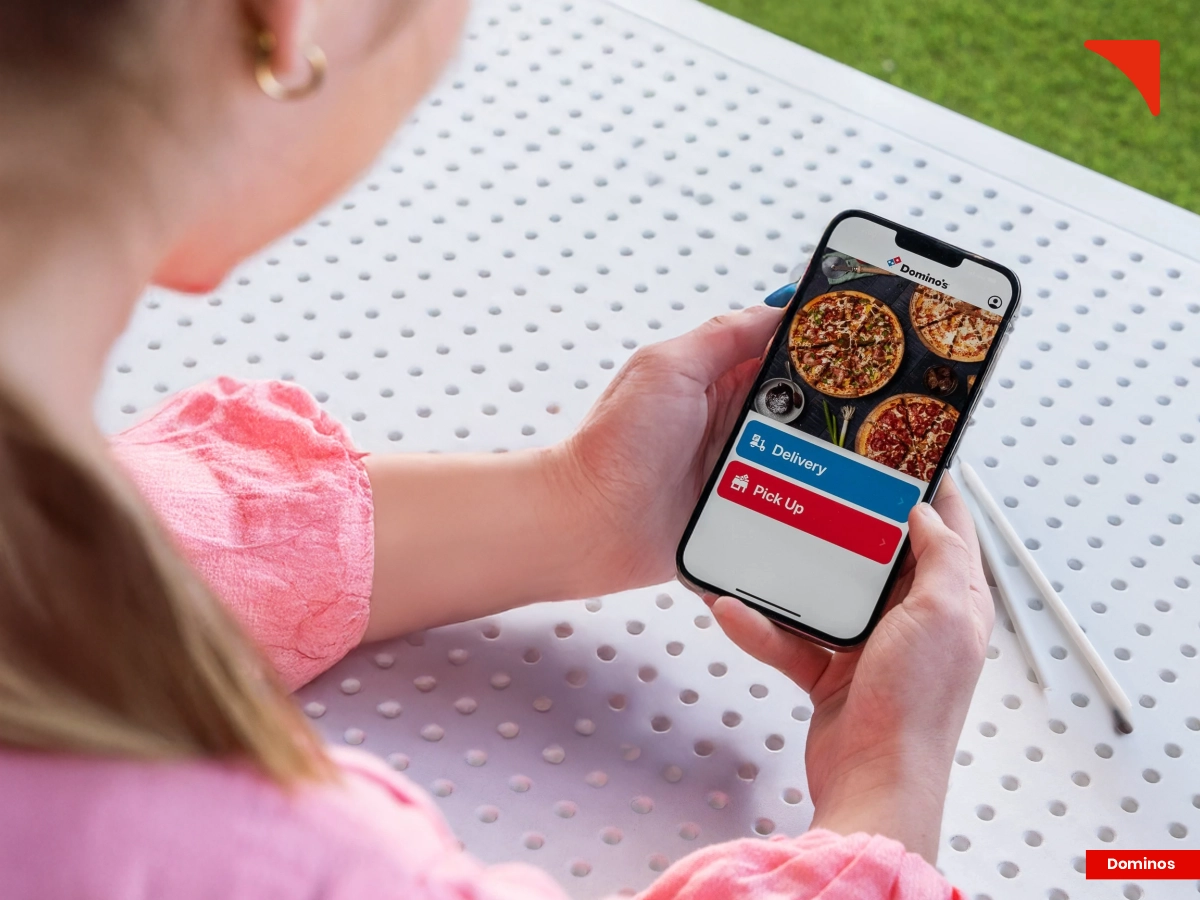
A long time back, stores were just considered as places that facilitated the sale and purchase of goods. However, things are no longer the same. They are now seen as fulfillment centers, brand showrooms, and consumer experience hubs.
Apart from in-store sales, a growing percentage of online orders are also fulfilled through physical retail spaces. Services like Buy Online, Pick Up In Store (BOPIS), or Click and Collect are increasing every year. Various studies suggest that when customers interact with both online and offline channels, there is a high chance that they will increase their shopping budget by 20 to 40 percent. Well, this clearly makes stores more profitable than they appear.
Also, when online shopping was invented, a competition between online and offline retail was naturally established. However, in today’s scenario, physical stores don’t compete with e-commerce. Instead, they now support it. This integrated approach does not just improve retail execution but also reduces delivery costs.
Online Customer Acquisition Is Expensive
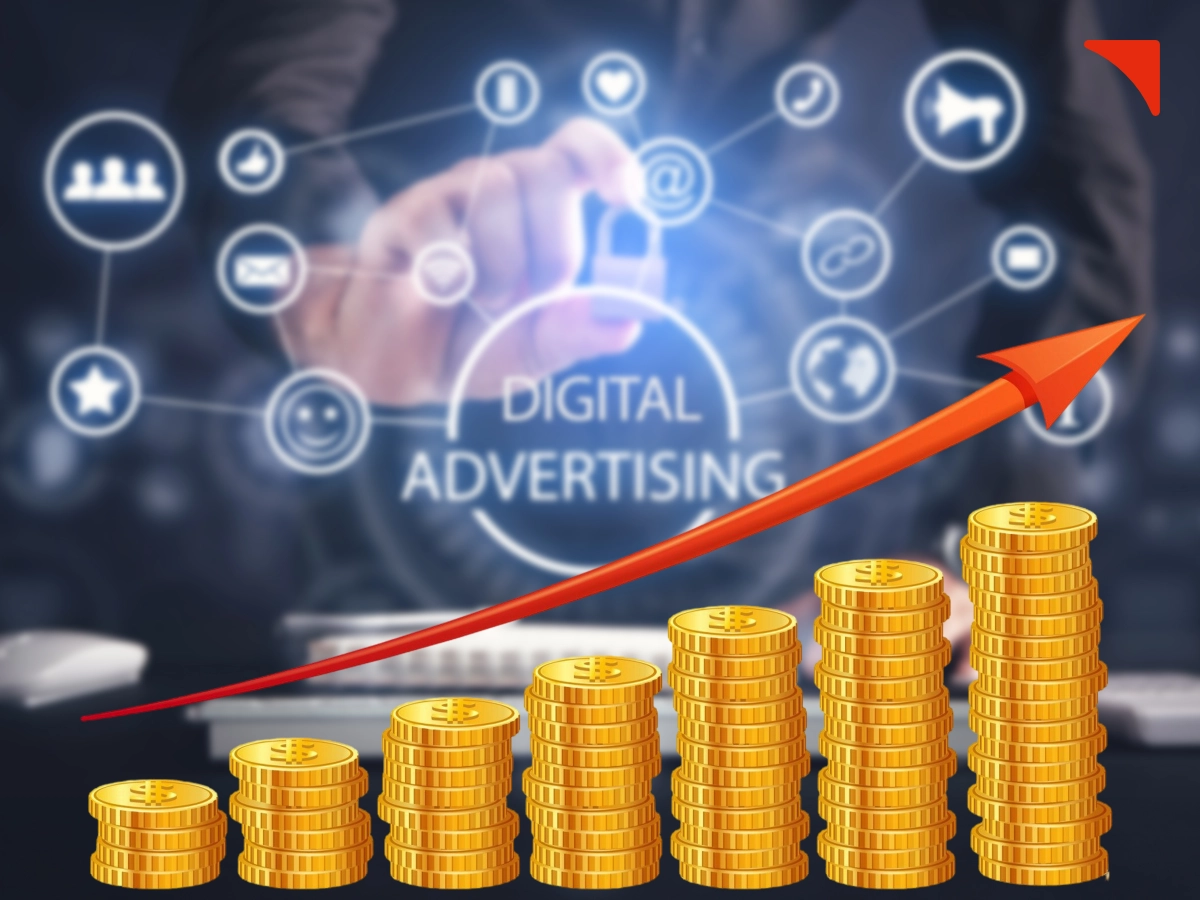 We all are aware of the fact that digital advertising costs have significantly increased in recent years. Online CAC (customer acquisition costs) is continuously rising, and this is all because of immense competition and ad saturation.
As of now, physical stores themselves have started acting as marketing tools. A store that is located in a high traffic area and has appropriate branding and aesthetics does not just increase the brand’s visibility but also builds trust and drives organic traffic.
In various cases, it was noted that launching a new store actually lowered the overall marketing expense of a brand. Well, this is indeed one of the strongest financial reasons behind modern retail expansion.
Customers Still Crave Experiences
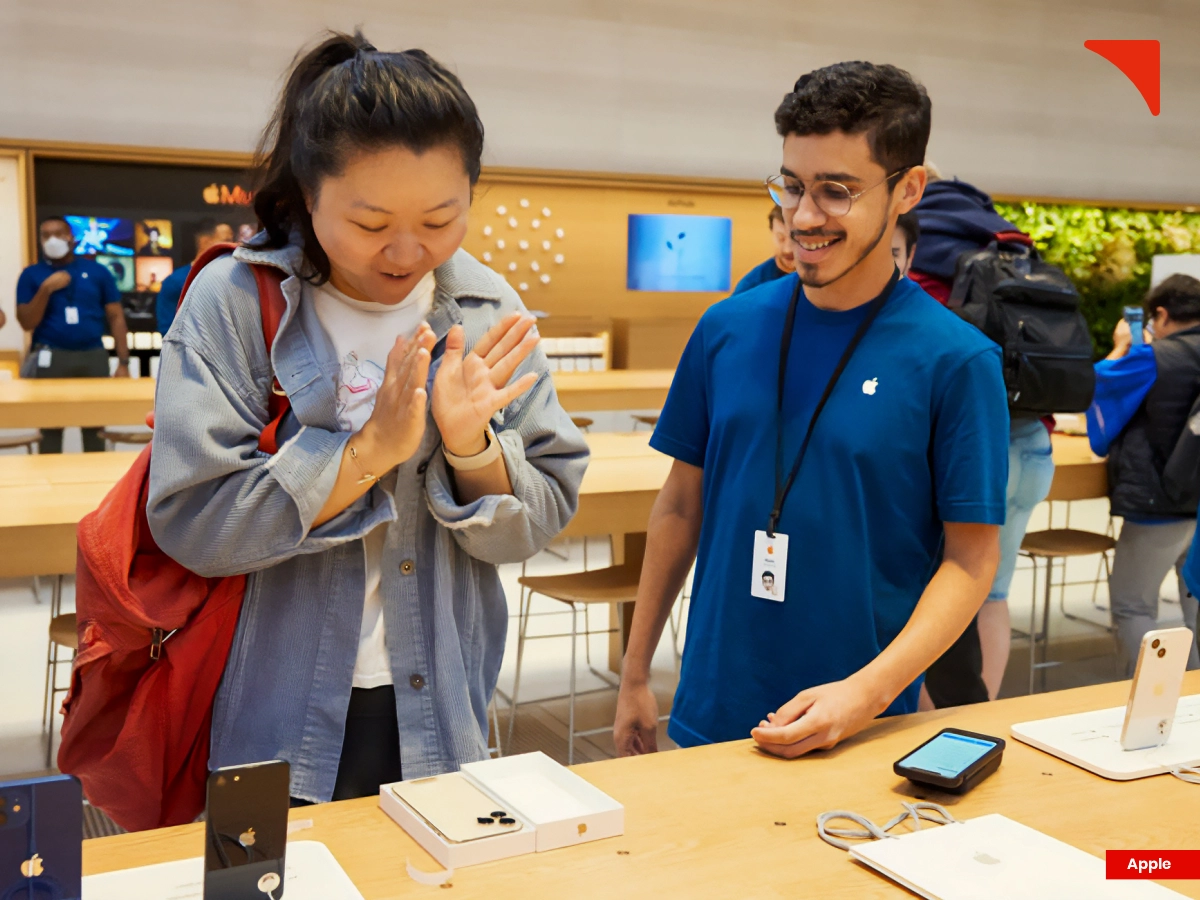 Shopping is not just about buying products. Instead, it is also about getting an experience.
It is an undeniable fact that online shopping facilitates speed. However, it can never provide immersive experiences to shoppers that physical outlets can.
Modern retail brands now opt for store designs that revolve around comfort, interaction, and storytelling. Unlike traditional retailers, they now consider better lighting, digital displays, and interactive areas as an investment and not an expense. Clearly, when the store layout design improves, the dwell time automatically increases. Also, when retailers are able to retain their customers for a longer time within their stores, they will also experience a boost in conversion rates and sales.
Experiential retail formats have always shown a measurable increase in repeat visits and basket size. Due to this, it has now become a fact that physical retail is not just a point for financial transactions, but actually a long term brand investment.
Which Sectors Are Driving Physical Expansion?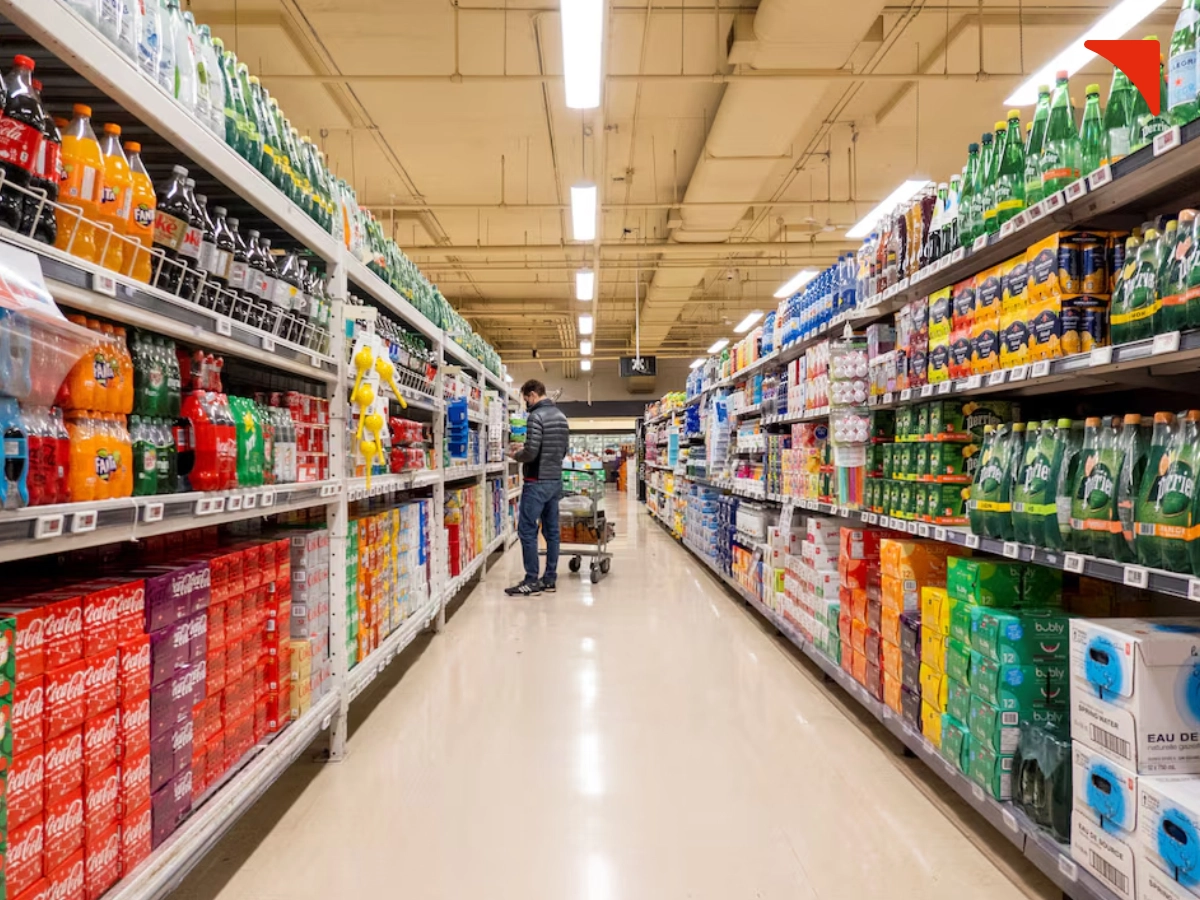
Every retail category might be expanding, but each one of them does not follow the same rate of expansion. Here are some examples with relevant explanations:
All these examples listed above clearly highlight the fact that their retail expansion is strategic, not random.
What Will Happen Next?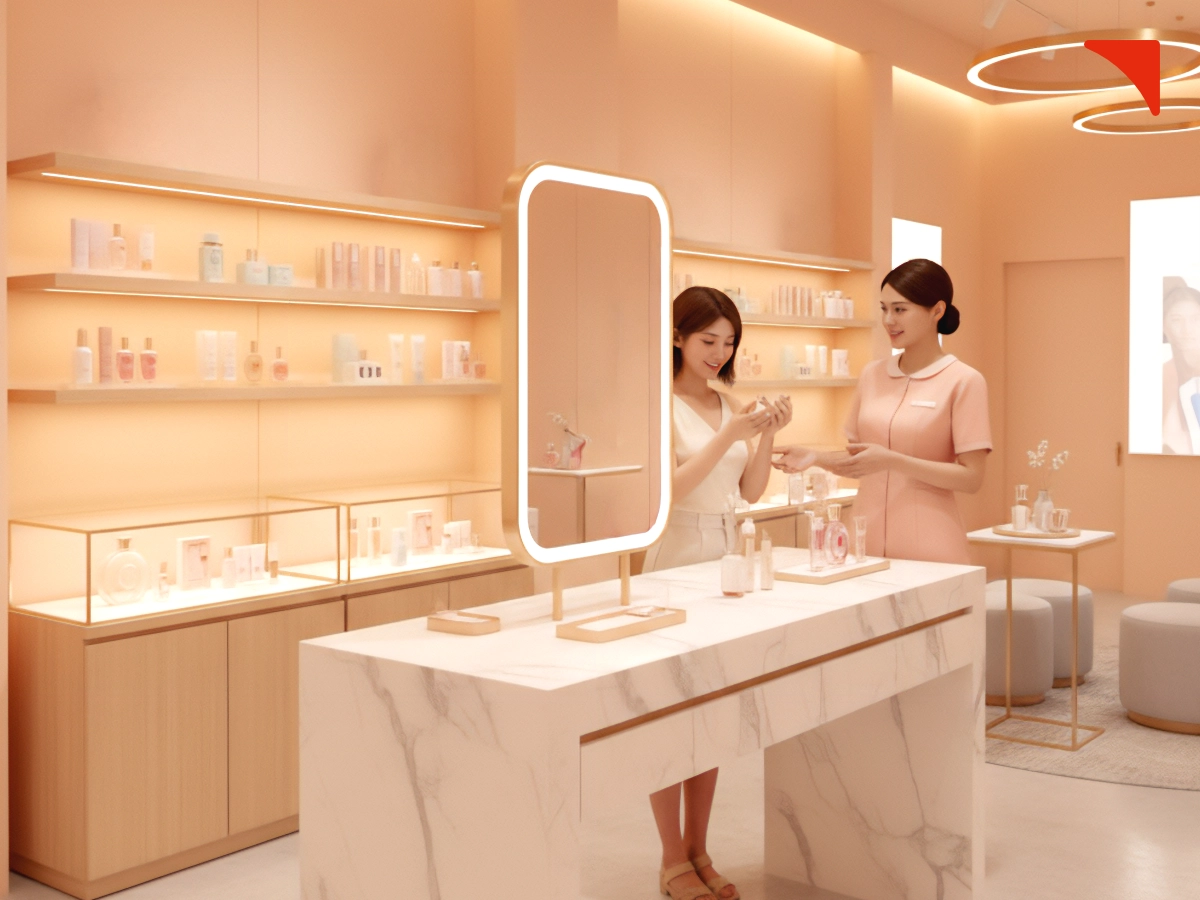
Looking at the present scenario, and considering the future predictions, physical retail is evolving/transforming at a great speed and will continue to do so in the future as well.
Apart from facilitating the sale and purchase of goods, physical outlets will increasingly start functioning as local fulfillment hubs. Smaller stores will grow faster than large stores. Also, retailers that think not having a physical location will help them with savings might actually face higher marketing costs over time.
In the coming times, retail expansion will not focus on presence but will revolve more around profitability. Most importantly, store design will cover more than aesthetics and functionality. It will become more experience focused.
One thing is very clear: Physical stores are not dying and will never die. Instead, they will always act as the most important point for customer engagement.