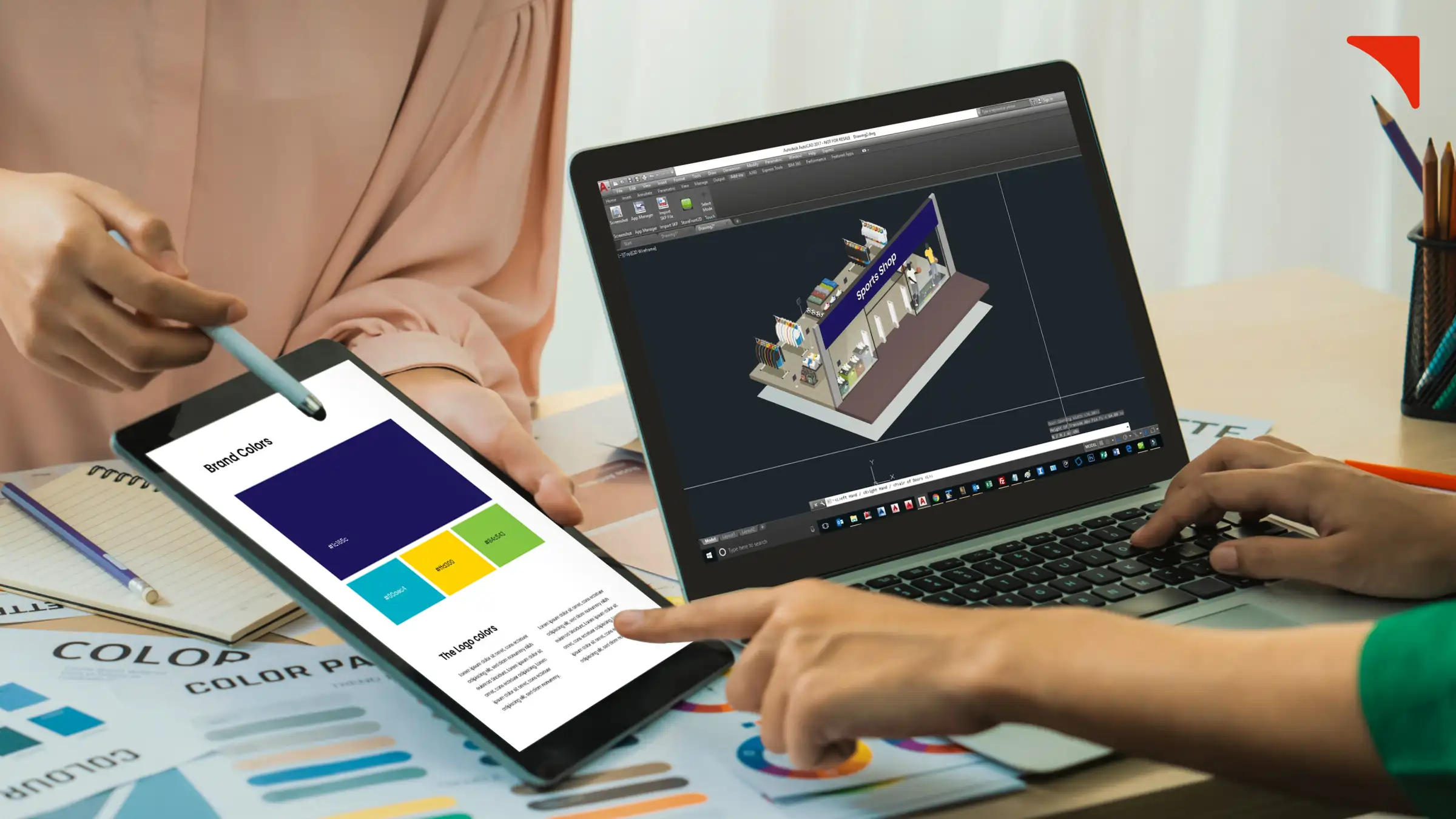
Almost every retail brand wishes to expand its business, reach new customers, and dominate the competitive market by making a solid presence and perception. However, most brands fail while expanding. Well, this is not mainly because they do not have a robust strategy or plan. Instead, they struggle to achieve a successful retail expansion because they fail to repeat their effective strategy consistently. When brands plan their first store, it generally works well because they manage everything very closely and pay complete attention to even the most minute things. But as the number keeps increasing, things start changing drastically. Factors like inconsistent layout and mismatched product displays result in an uneven retail experience.
This is where the retail manual, one of the most effective tools for brands, enters the picture. It helps solve this problem by turning the best decisions into a simple and clear system that can easily be followed again and again. Hence, instead of relying on guesswork, brands can ensure that each new store follows a defined path. This further makes the expansion process smoother and more controlled.
Why Is The Importance Of A Retail Manual
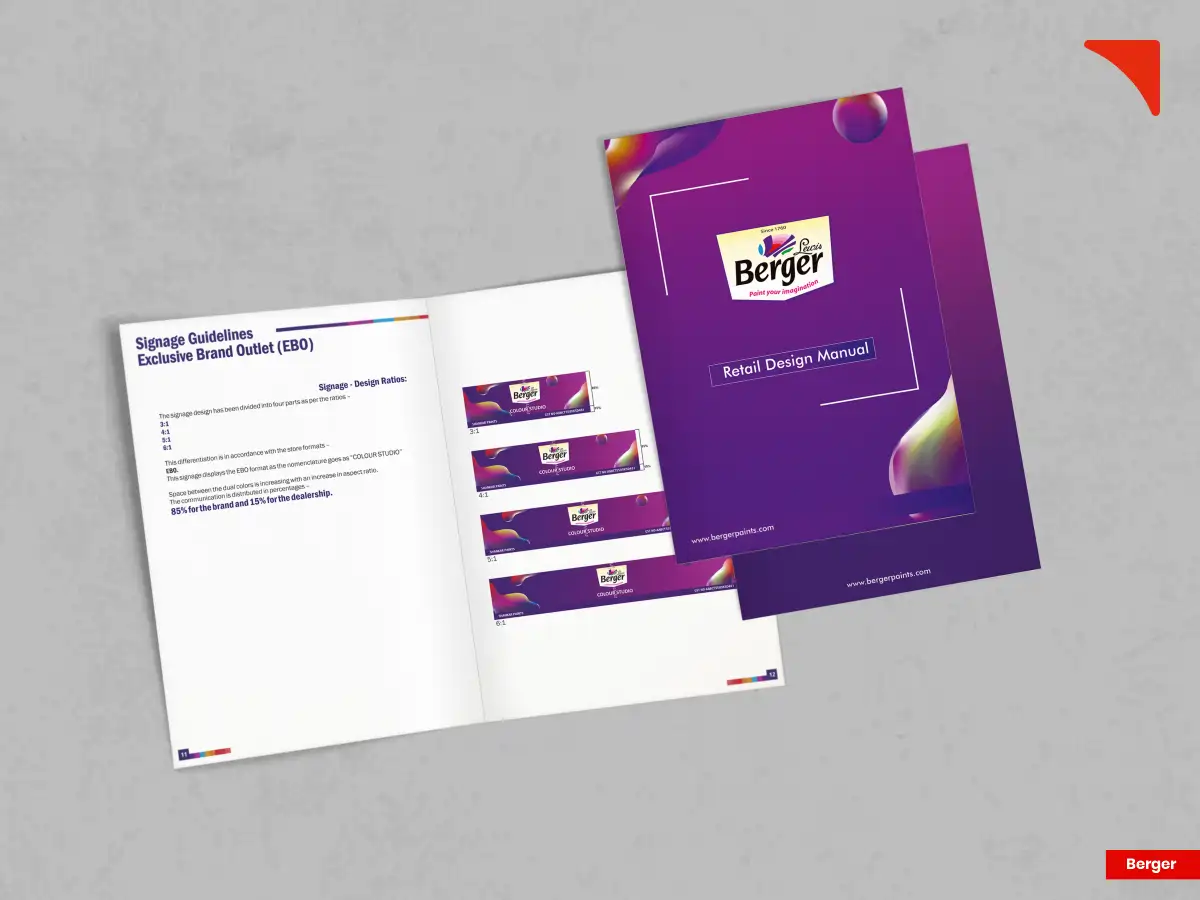
Whenever a retail brand decides to establish a physical presence for the very first time, there are various decisions that are made on the basis of planning, and then there are decisions that happen instinctively. But, as it decides to expand its business and establish a presence across multiple locations, relying on memory or verbal instructions and further making decisions on that basis creates confusion. Due to this, different stores start looking and feeling different. This significantly affects customer perception, makes it hard for them to trust the brand, and further weakens it.
A retail manual helps in solving this problem as it allows the creation of a standard. The respective tool helps brands ensure that, irrespective of whether a customer visits its store in one city or another, they will be provided with the same retail experience. A retail manual contains guidelines related to retail store design, displays, signage, visual merchandising, customer experience standards, operational procedures, and all other elements. These guidelines, when considered in an appropriate manner, help in eliminating inconsistencies and ensuring the same overall appeal.
Effective Retail Manual Design For Making Expansion Easier
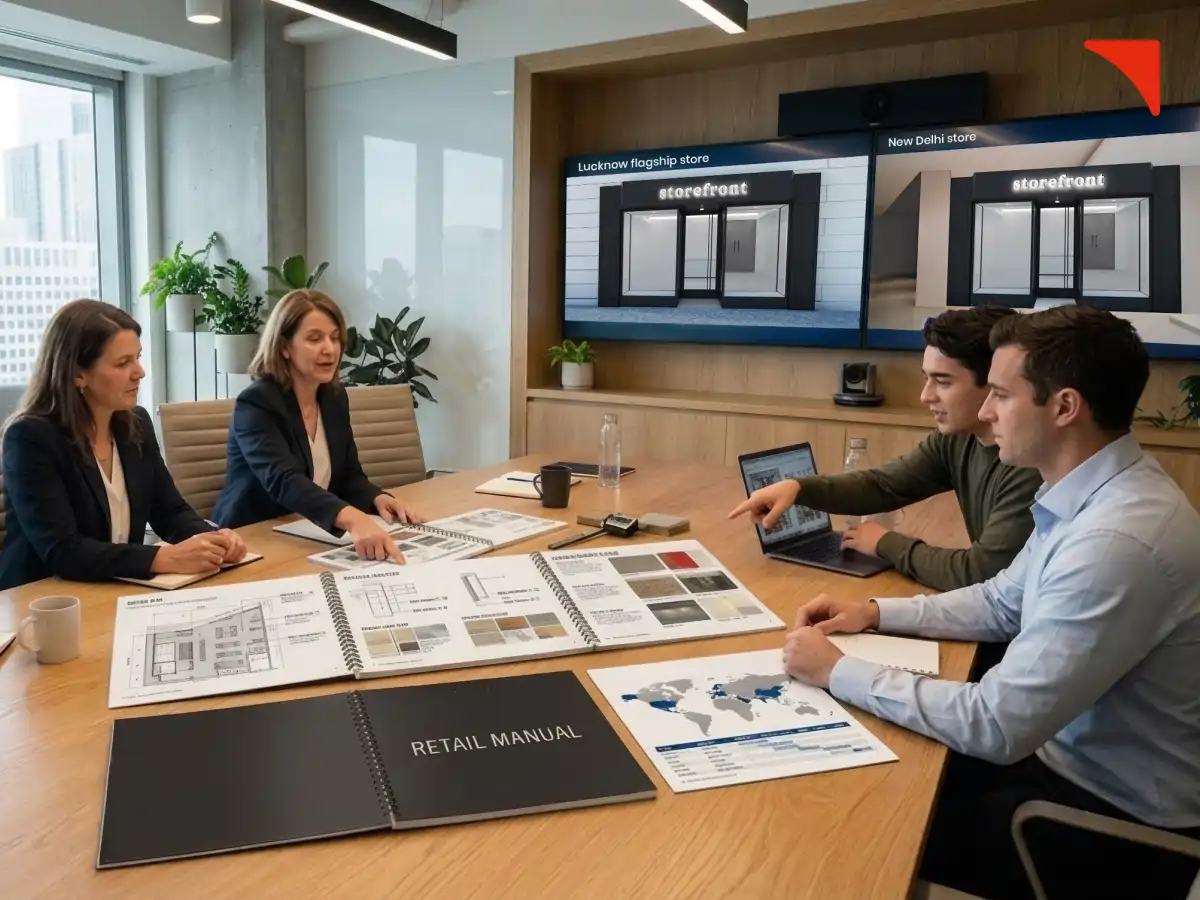
When brands opt for a well designed retail manual, the process of opening a new store actually becomes faster and less stressful. This is because, instead of reinventing, remembering, or guessing things, the team is only required to systematically follow a proven system.
Understand this with a situation. Let’s assume that a brand has hired a new agency or vendor with which it has never worked before. Now, the agency/vendor can simply use the manual for understanding the shop interior design requirements without needing much supervision, and can execute the same in a fresh retail space. Similarly, if the store has new managers or staff, they can refer to the manual and quickly learn how to run operations. Presence of a well defined manual does not just reduce delays, mistakes, and cost, but also ensures a consistent expansion.
Supporting Franchise and Multi Location Growth

An effective retail manual design becomes even more important when a brand plans to operate on a franchise model or wishes to expand rapidly. It actually acts as a bridge between the vision and execution.
Franchise partners or new teams might not be able to completely understand the brand at first. Providing them with a manual lets them access a clear roadmap, reduces dependencies on the parent brand, and allows the new partner to replicate success.
Reducing Errors and Costs
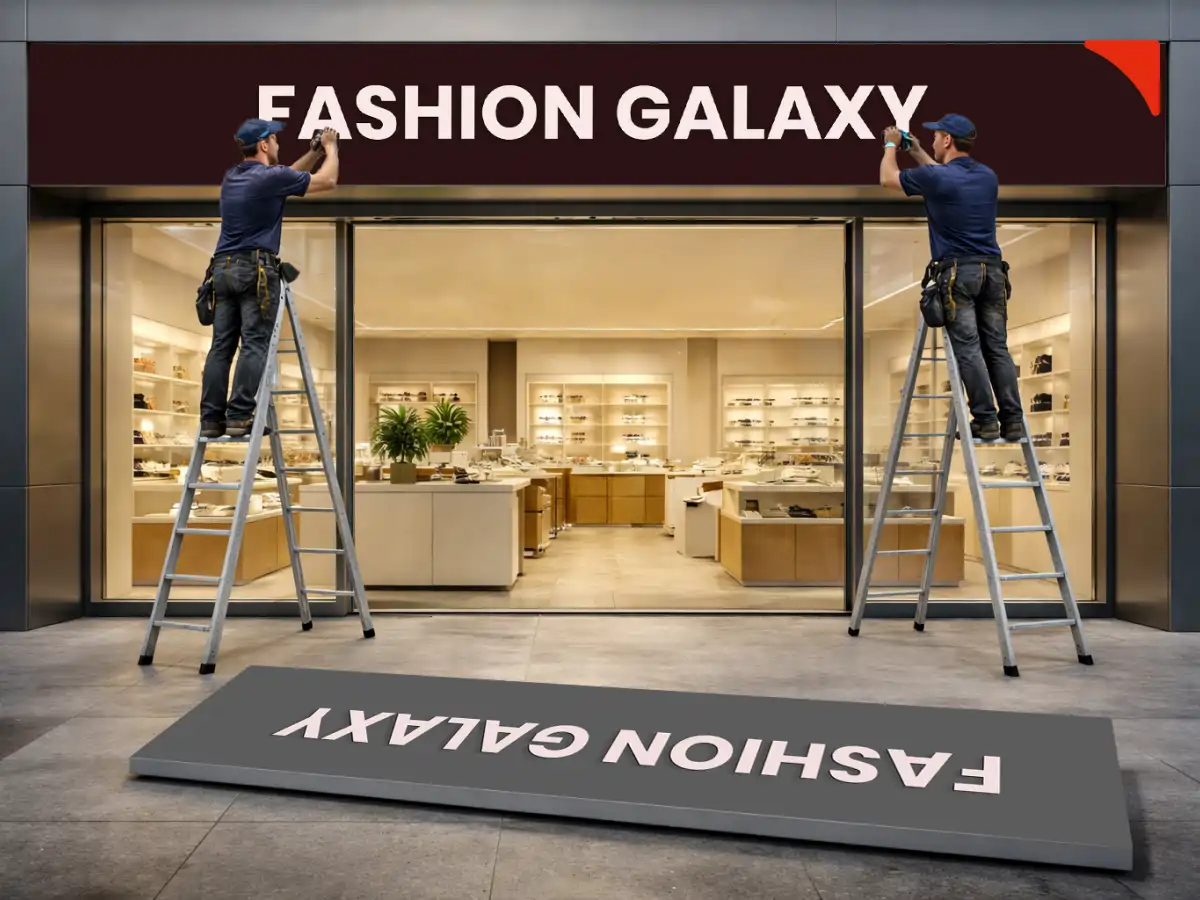
Mistakes during new store setups are completely normal. However, they can be very expensive too. When brands end up selecting the wrong materials or executing the wrong shop interior design or branding elements, this will result in a lot of wastage and require rework. In this scenario, a retail manual significantly minimizes these risks by providing exact instructions, approved materials, and clear dos and don’ts. This will not just help brands save money and other resources, but will also ensure faster store rollouts.
Keeping It Simple and Useful
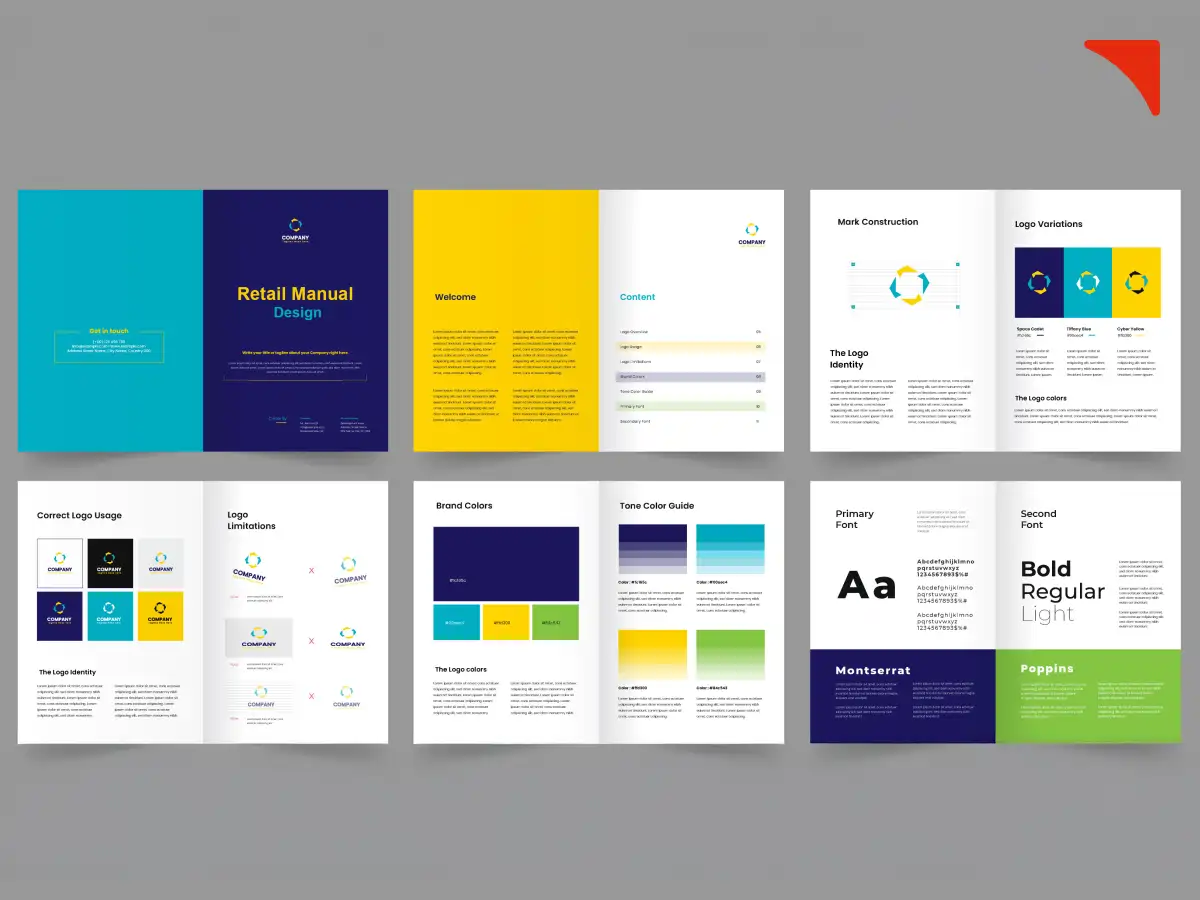
An effective retail manual design is not long or complicated. Instead, it is practical and easy to understand and use. Here are some points that agencies/professionals usually consider in order to make the manual effective and efficient.
Reputable agencies also provide regular manual upgrades based on the evolution of your brand. Also, they mainly focus on creating a manual that helps people take action and does not confuse them.
Retail Manual As A Long Term Investment
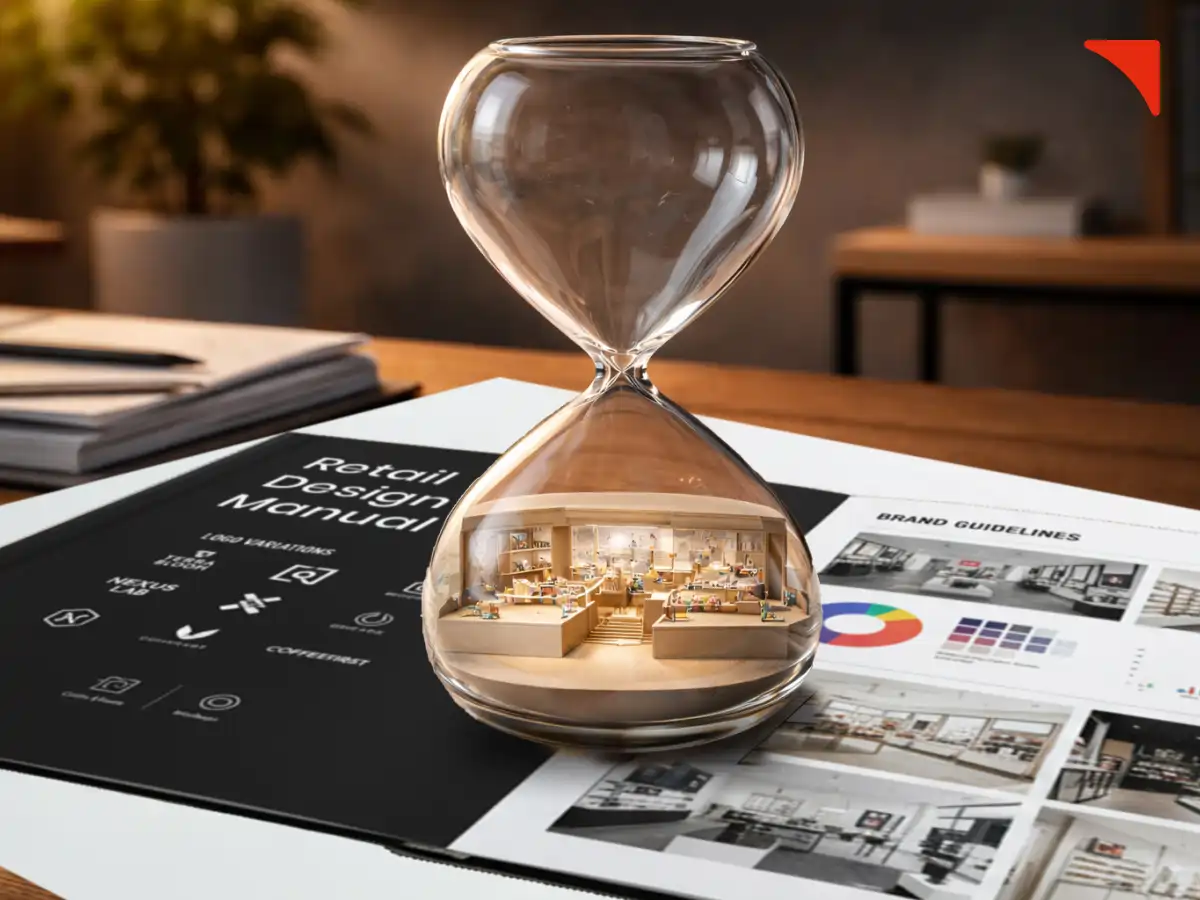
It is an undeniable fact that creating a retail manual takes a lot of time and effort. It might seem as an expense in the short run, but it is definitely an investment that pays off in the long run.
As a business expands to new geographies and store formats, a retail manual becomes the foundation for its growth as it helps the brand ensure that the identity stays intact, differentiations are carried in an efficient manner, and consumers are always provided with a consistent brand experience. In addition to this, a retail manual also lets a brand ensure that all its stores will meet the exact same standards and hence builds the confidence to scale even faster.
In today's highly competitive scenario, opening more and more stores does not guarantee a brand’s actual growth. Instead, it is actually determined by opening better and more consistent stores that attract footfall, allow customers to stay for long, positively shape their perception, and drive conversions.
And this is exactly what can be achieved by utilizing an effectively designed retail manual. It brings structure to the expansion, reduces the scope of uncertainty, and helps ensure consistency across all retail touchpoints, irrespective of the location, store size, and retail format. Hence, whether a brand is opening its second store or the hundredth one, the right manual can actually make all the difference.
In this rapidly evolving retail scenario, where modern customers are too specific about their preferences and buying decisions, even the smallest details can make a major impact. And a strong retail manual is something that can help brands ensure that those details are never missed.