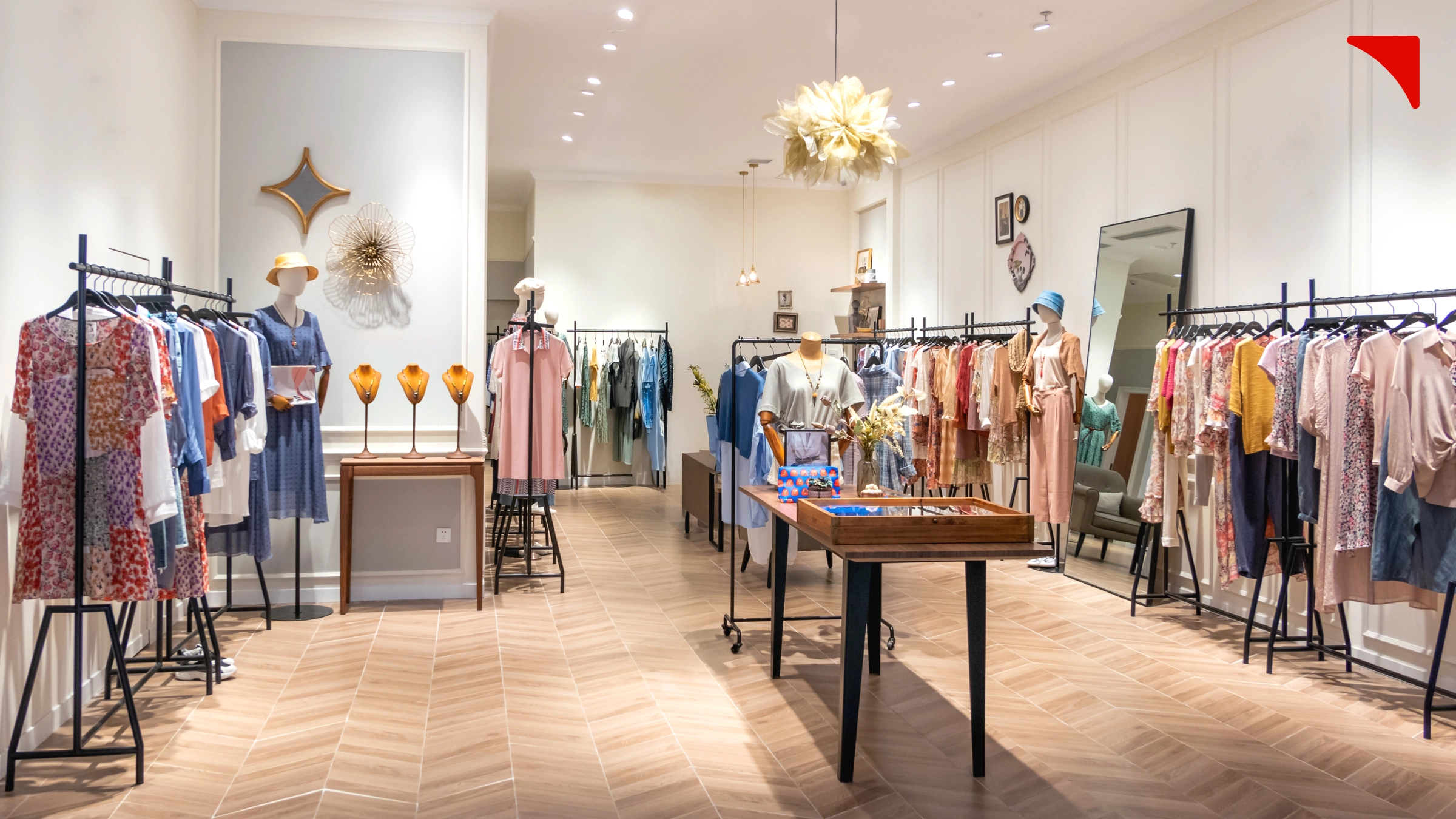
Do you know that more than 75% of shoppers expect that they get a different retail experience from the same brand when they plan to revisit?
Even in 2026, a significant percentage of physical retail spaces are built for permanence. But because a lot of modern shoppers expect in-store experiences to change on a frequent basis, this gap between the expectations and reality is something that is actually pushing the industry towards a smarter approach. This is where the concept of modular store fitouts enters the play. They are leading this shift by simply letting retailers transform their spaces as quickly as customer demands evolve.
Whenever customers walk into the same store again, they notice something different. The same space feels more flexible and almost alive this time. Everything is in its right place, but at a different position now. Shelves have moved, displays have changed, and layouts have become more adaptable.
What Are Modular Store Fitouts?
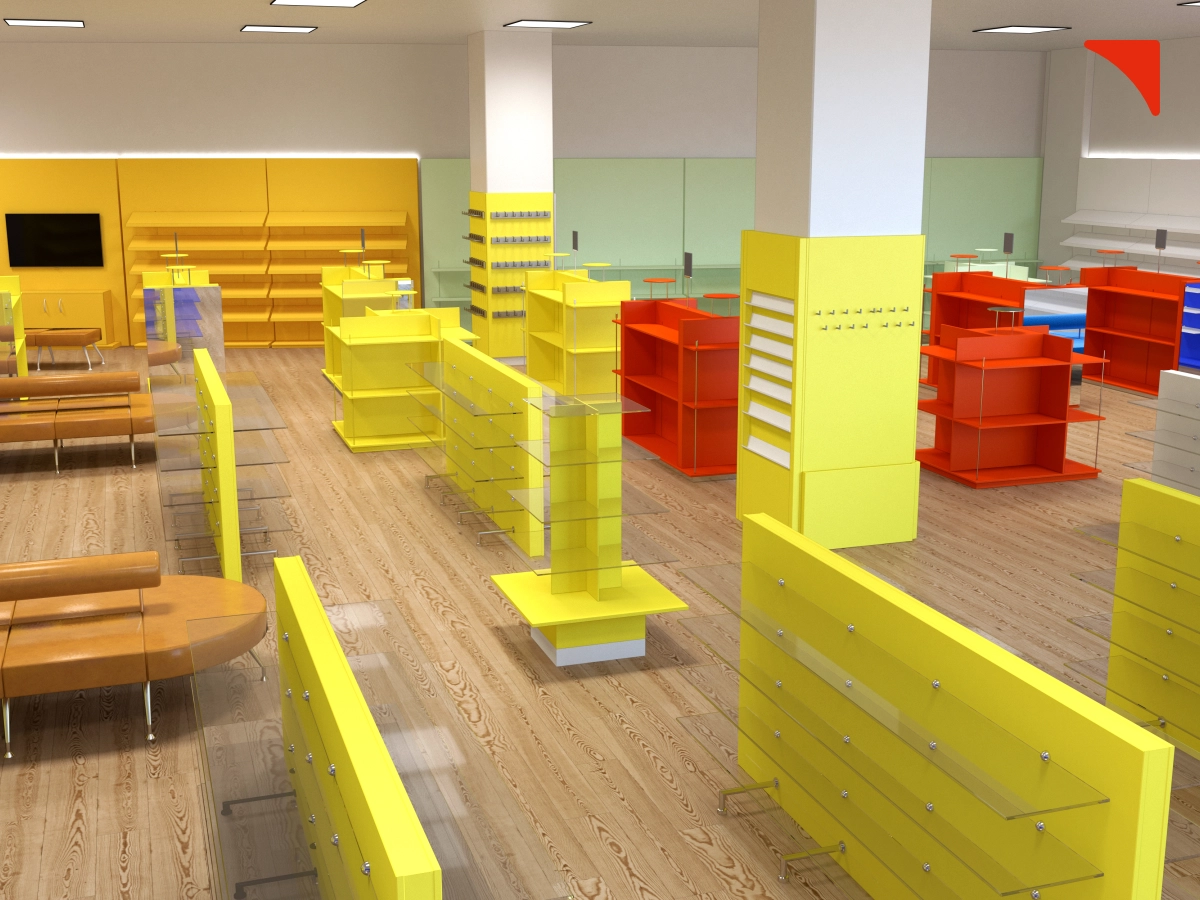
Modular store fittings, as the name already suggests, are customizable, easy to assemble store components that can be seamlessly rearranged without putting in too much effort. Unlike static or fixed interiors, modular retail store fitouts allow shop owners to redesign their physical space during different retail scenarios like seasonal sales, new product launches, or whenever required.
This particular approach has completely revolutionized how brands used to think about retail shop fixtures. Instead of investing in static or permanent setups, retailers have now started opting for solutions that are adaptable and will evolve with their needs.
According to a study by KPMG, it was found that modular fixture systems can significantly reduce the renovation cost by up to 30 to 40 percent. Well, this clearly makes them an increasingly attractive option for both small and large retail brands.
Why Is Retail Becoming More Agile
We are all aware of the fact that customers' expectations are rapidly changing, and that too, faster than ever. They look for new experiences every time they opt for offline shopping. This is specifically expected from brands opening in the fashion and electronics industry. As trends keep changing, it is the retailer’s duty to keep up with them by making the required changes in its stores.
When brands design and execute agile retail environments, they can seamlessly update store layouts, highlight new products, improve customer experience, and respond in real time without heavily investing again and again.
Retail store fitouts plays a critical role in helping retail brands achieve this. With the help of flexible systems, shop owners can easily experiment with layouts, test product placements, and create engaging shopper journeys, that too, without starting from scratch each time.
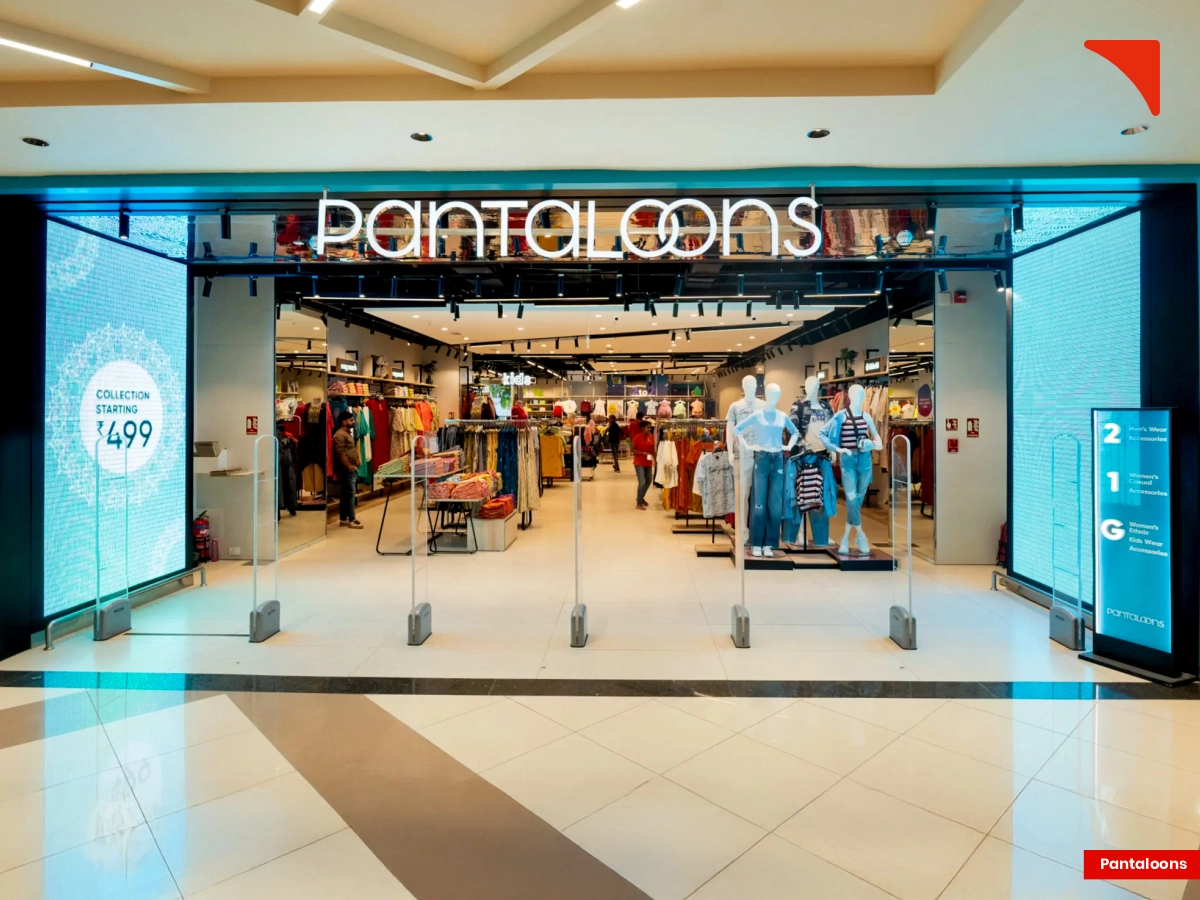
Fast fashion retailers like Max, Trends, and Pantaloons fit as a perfect example that supports this approach. They regularly update their in-store layouts every two to four weeks. This helps them accomplish both matching new collections and offering a fresh retail experience to new and existing shoppers.
What Is Driving The Demand For Modular Store Fittings?
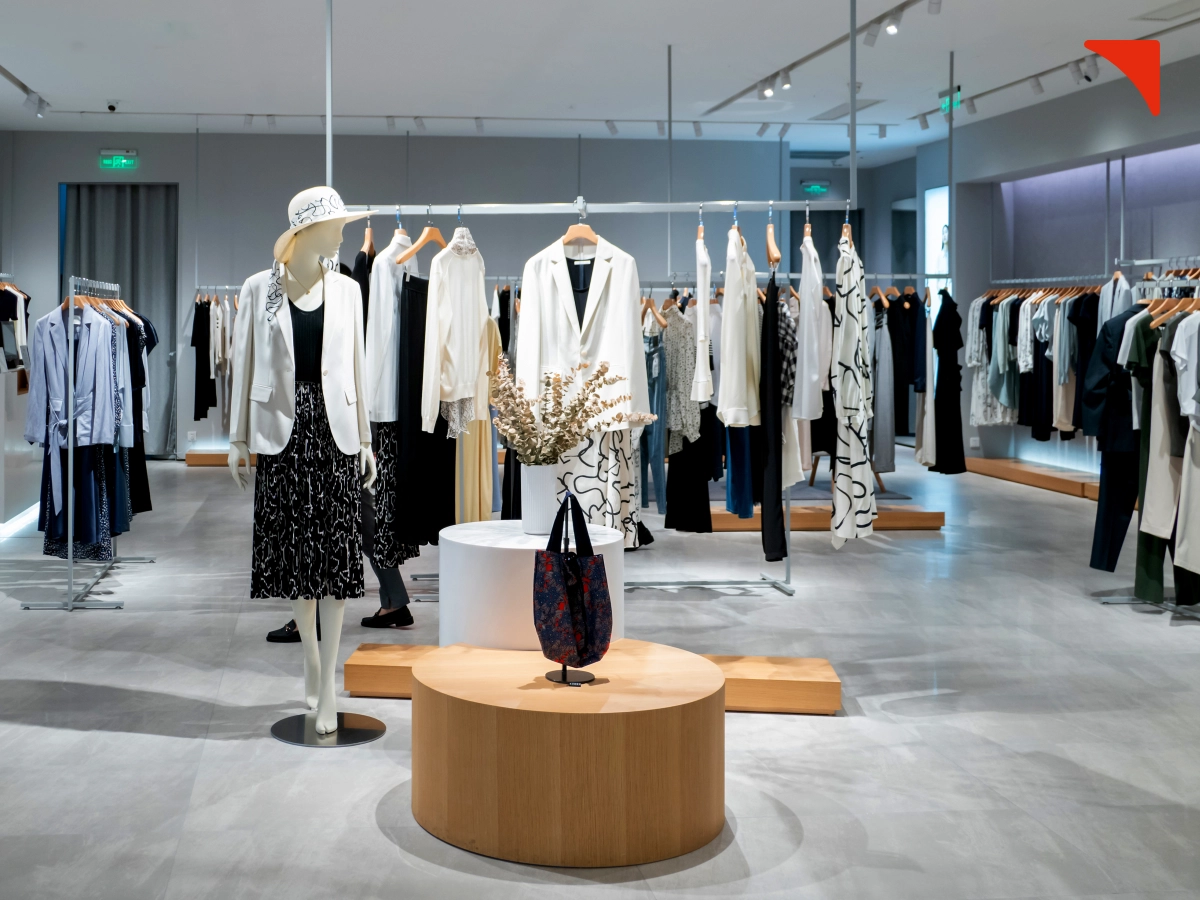
The answer is clear: all the benefits offered by modular retail store fitouts are what make them appeal to both large and small brands. A few advantages are mentioned below:
Benefits of Modular Store Fittings
1. Flexibility
Because retailers are provided with the option to easily rearrange their in-store displays, they can position them in a way that adapts to new campaigns or seasonal trends. Hence, in case of promotional events or any other scenario, they will not have to worry about incurring extra expenses.
2. Cost Effective
Instead of replacing the entire setups, owners can simply consider using their retail shop fixtures in new ways. This will help them save both time and money over time.
Various studies suggest that retailers who adopt modular systems generally experience a long term savings of up to 25% in their store maintenance and overall redesign costs.
3. Faster Setup
We know that a new store design cannot be executed quickly. However, refreshing the existing design by updating the store fixtures and rearranging them is definitely possible. This does not just reduce downtime but also increases efficiency. Also, in many cases, brand owners often experience a 50% reduction in setup time and cost when they opt for modular installations instead of traditional ones.
4. Better Visual Merchandising
Modular fitting inside a store allows retailers to form creative layouts that appeal to the eyeballs of target customers, encourage them to step inside the store, and improve product visibility.
According to CAAD Design, strategically executing well optimized visual merchandising elements within a store can boost sales by up to 30%.
The Role of Branding and Signage
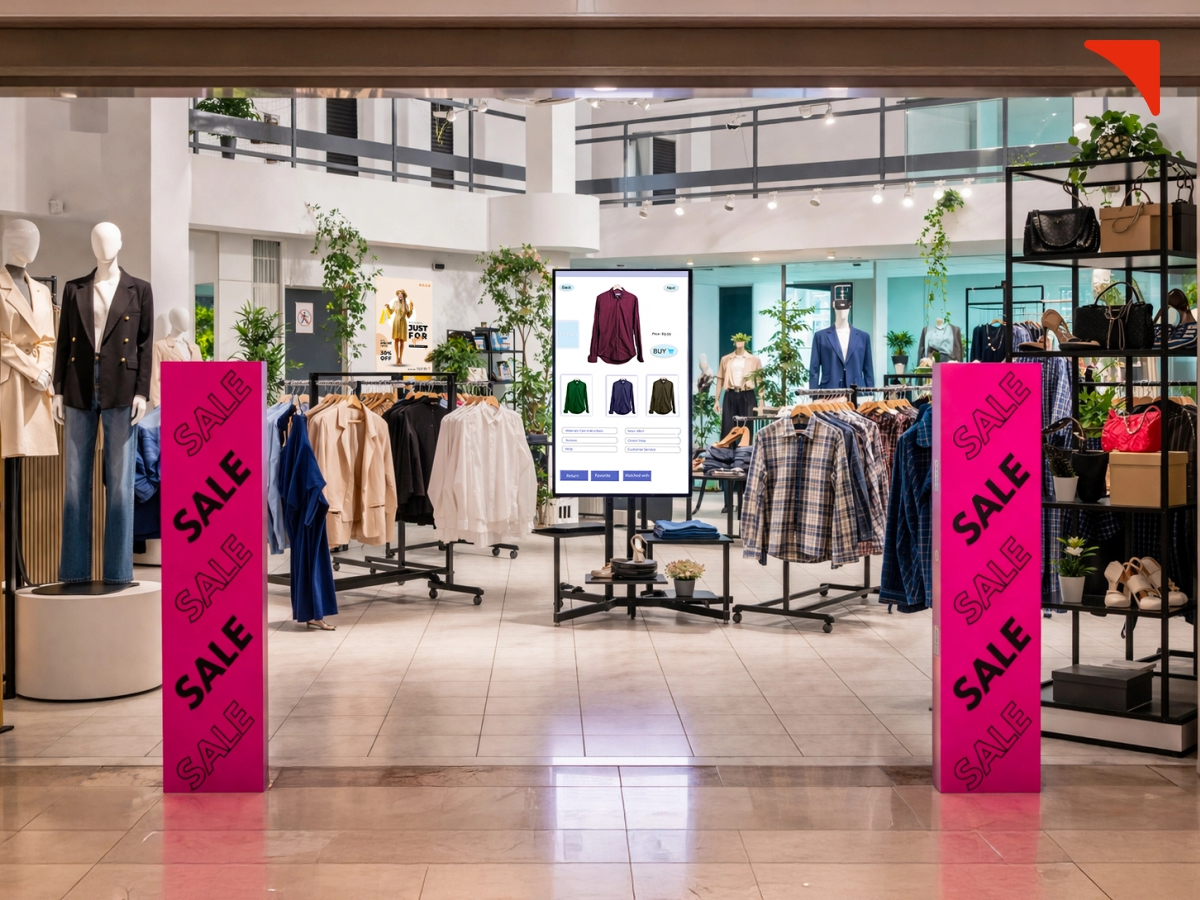
An offline retail store is not just about shelves and racks. Instead, it is also about communication. When brands implement clear and attractive signage within a retail space, it will not just guide customers but will also reinforce brand identity. To achieve this, brands can consider working with a reliable sign board manufacturer to ensure that signage seamlessly aligns with the overall store design.
In flexible retail environments, it is important for the signage to be adaptable. When retailers consider making modifications to their physical spaces, their signs should also be easy to update or reposition. This is what is actually driving the increasing demand for digital and modular signage solutions.
Do you know that the global digital signage market is expected to grow at a CAGR of over 8% in the coming years?
The Future of Retail Spaces
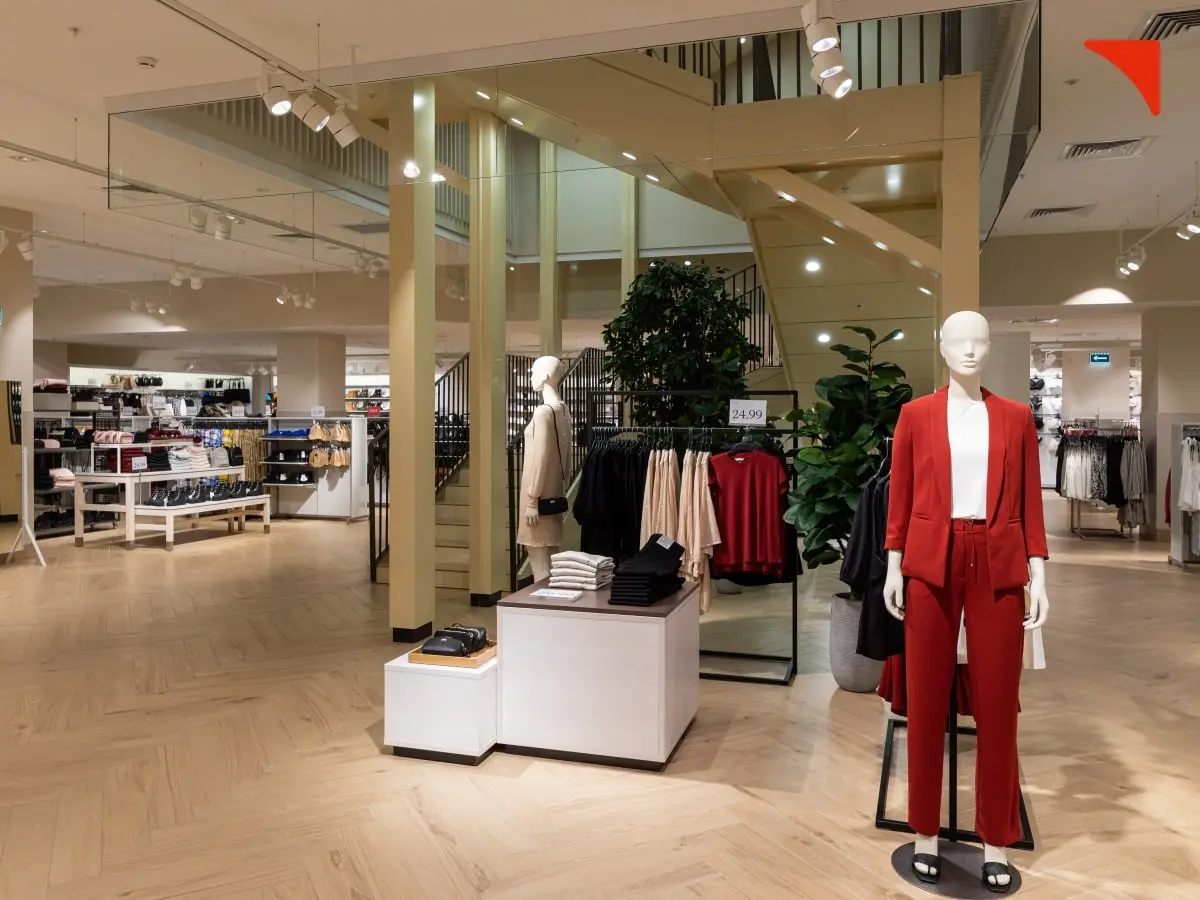
Modern retail spaces are no longer static places that facilitate the sale and purchase of goods. Instead, they have now evolved into dynamic environments that keep on changing with the introduction of new trends, technology, and customer expectations.
Various retail studies suggest that the global retail fixtures market is expected to cross around 20 billion dollars by the end of 2030. Also, this move will be largely driven by demand for flexible and modular solutions.
Considering this, brands that consider embracing modular systems will definitely gain a strong advantage. They will be able to maintain relevance, stay responsive, and maintain efficiency. As retailers opt for flexible retail shop fixtures, the demand for innovative fitouts will continue to grow. Opting for smart solutions will help them develop spaces that are not just functional but also memorable.
Winding it up!
The rise of modular store fittings is not just a design trend that might get outdated in some time. Instead, it is actually a strategic shift. In an era where change is the only constant, brands that wish to survive in the competitive retail market, maintain relevance, and stay ahead of competitors, flexibility is the only key to survival and growth. Retailers who are adapting quickly and will continue to do so will not just provide their customers with a great experience, but also get to experience measurable gains in efficiency and sales.