
In various industries, companies have to face a very tough competition. A few common reasons behind this include similar looking products, comparable price, and easy to copy innovation. These products generally fall under low differentiation categories. Consumer goods, retail staples, commodities, and services where features and benefits do not vary much across brands are a few common examples.
In these types of retail environments, traditional advantages like product superiority or pricing power do not help in creating long term success. And this is exactly where the concept of strategic execution enters the picture. It acts as a key factor that helps retail brands lead the competitive market and become different from others.
What do we understand by the term strategic retail execution?
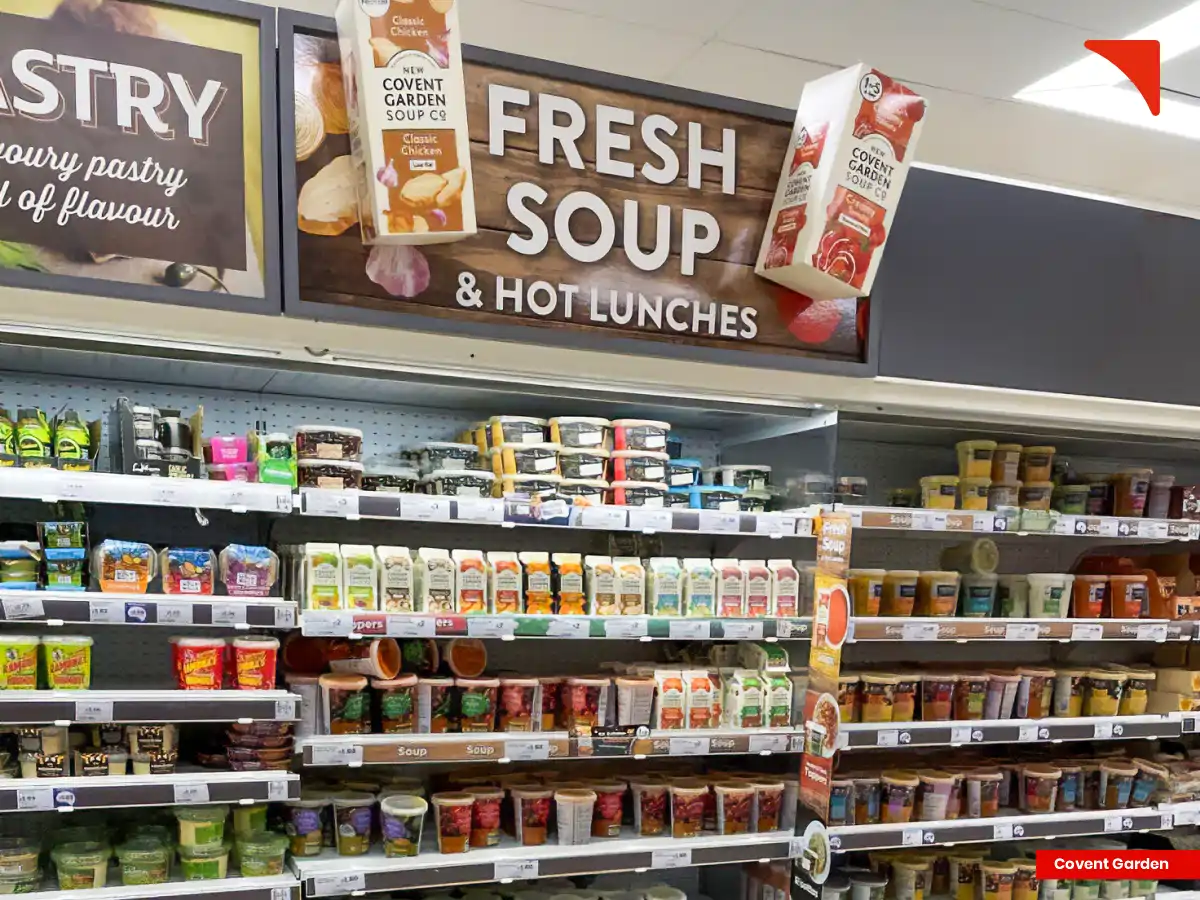
The term strategic execution is retail refers to how well a company converts its ideas, vision, and plans into consistent, on the ground action. It includes everything from the initial phases to the end, including how processes are designed and implemented, how the teams are aligned, and how decisions are made and executed.
The strategy part is all about what a company is looking forward to achieving. On the other hand, execution revolves around determining whether it will actually happen or not. When they both are combined together, especially in low differentiation categories, strategic execution can act as a competitive advantage–something that will make it difficult for a brand’s competitors to replicate even if they have understood what it is.
Why Is Differentiation Alone Not Enough?
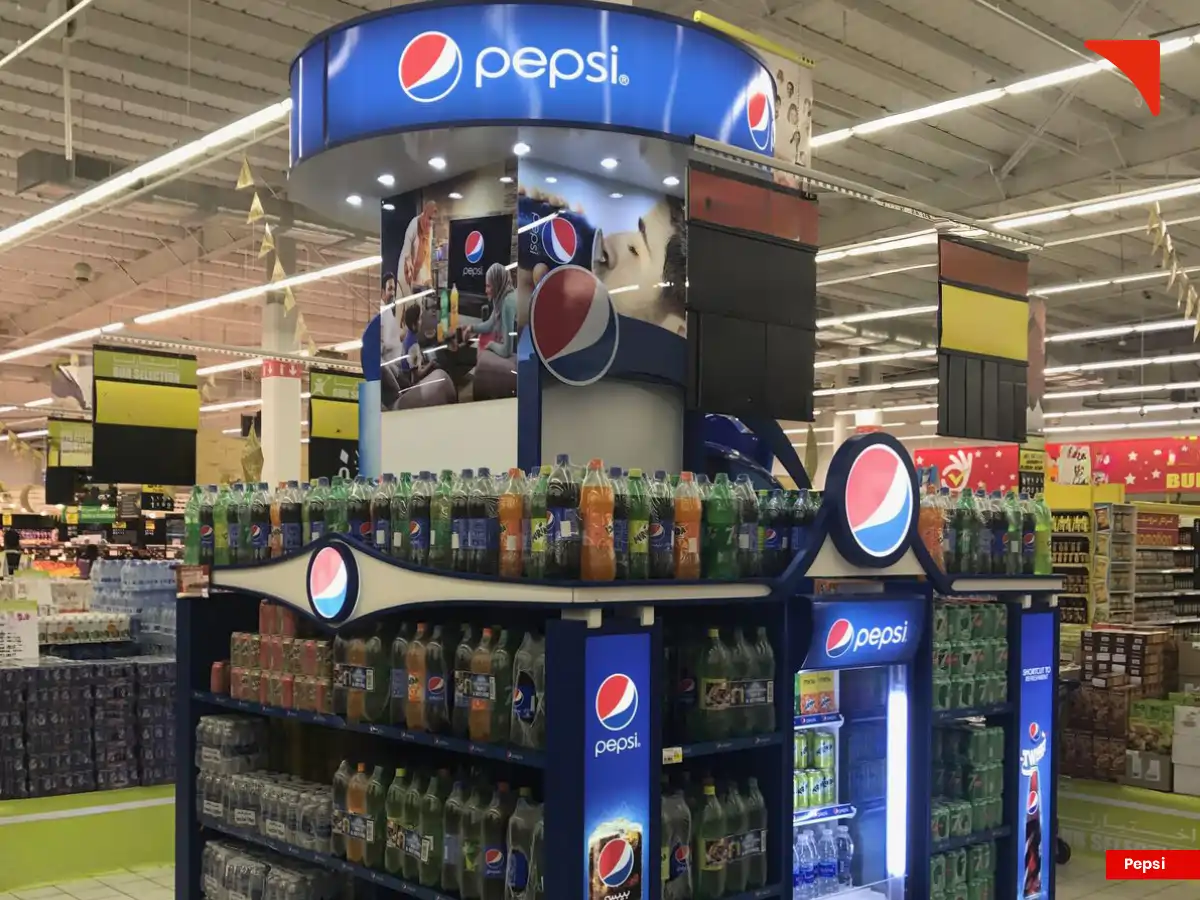
In markets that are highly differentiated, retail brands often rely on unique features, patents, and strong emotional positioning. However, these advantages do not live up to the mark and are often short lived in the case of low differentiation categories. This is exactly where execution matters the most.
Brands that opt for strategic execution might not evidently see any benefits in the short term. But over a period of time, they will notice small, but regular operational advantages that result in a meaningful market leadership. Clearly, your competitors will be aware of what you are doing. However, they will still struggle to reach at your level as they might not be able to match the discipline and consistency required to do it well.
Execution as a Hidden Advantage
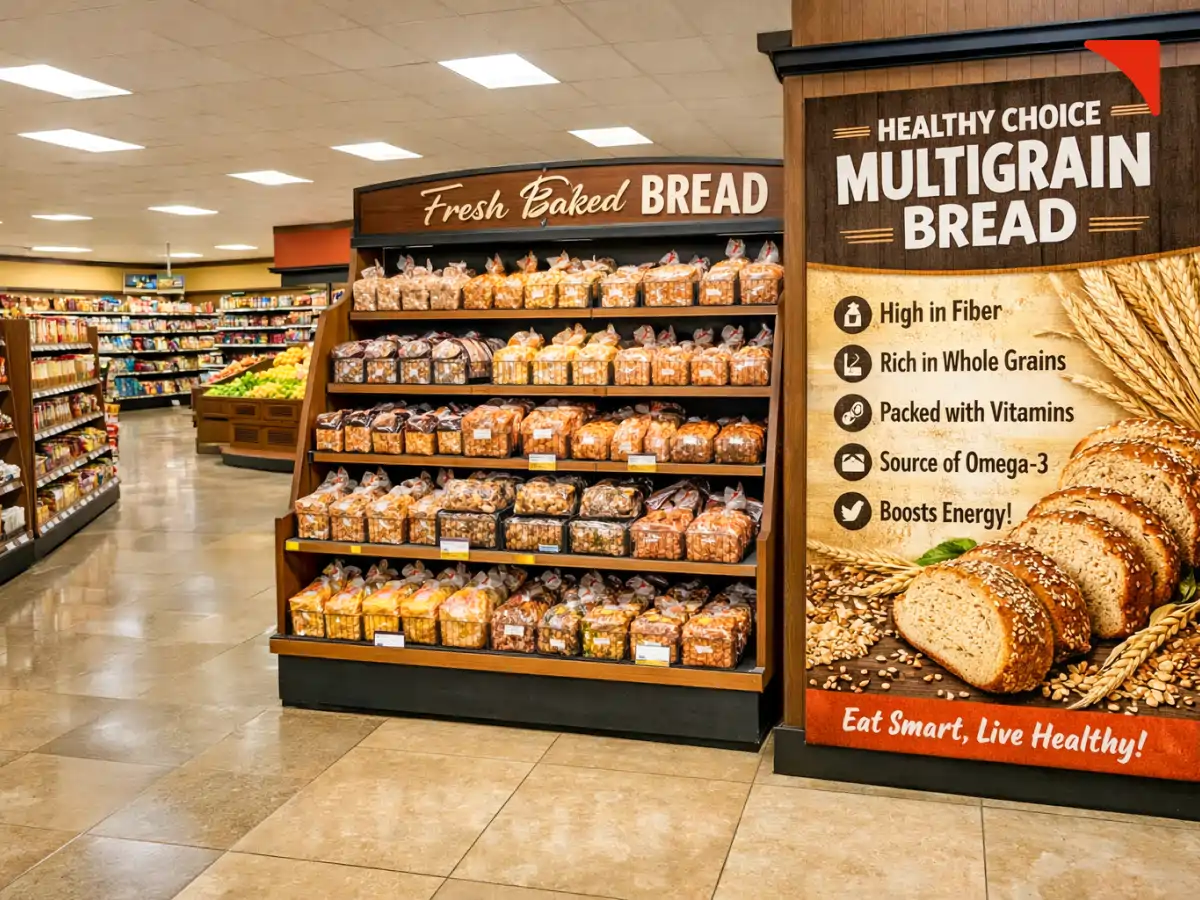
Innovative branding, changes in marketing methods, and other tactics are way more visible in comparison to strategic execution. However, it is something that cannot be copied easily. A competitor might copy the packaging style or its marketing strategy, but factors like supply chain reliability, store level discipline, effectiveness of the sales team, speed of decision making, and other such things are way harder to copy.
Strategic execution is often less visible than branding or innovation, but it is much harder to copy. It includes elements such as supply chain reliability, store level discipline, sales force effectiveness, and decision making speed. When these elements are aligned, the company performs better across thousands of small moments that customers experience every day.
A well defined and strategically executed plan ensures that products are present in the right outlets, displayed in an effective manner, and supported by clear processes. This directly helps improve retail penetration as effective execution is not an aggressive tactic. It is something that results in a steady and predictable performance that brands can trust.
The Role of Standardization and Clarity
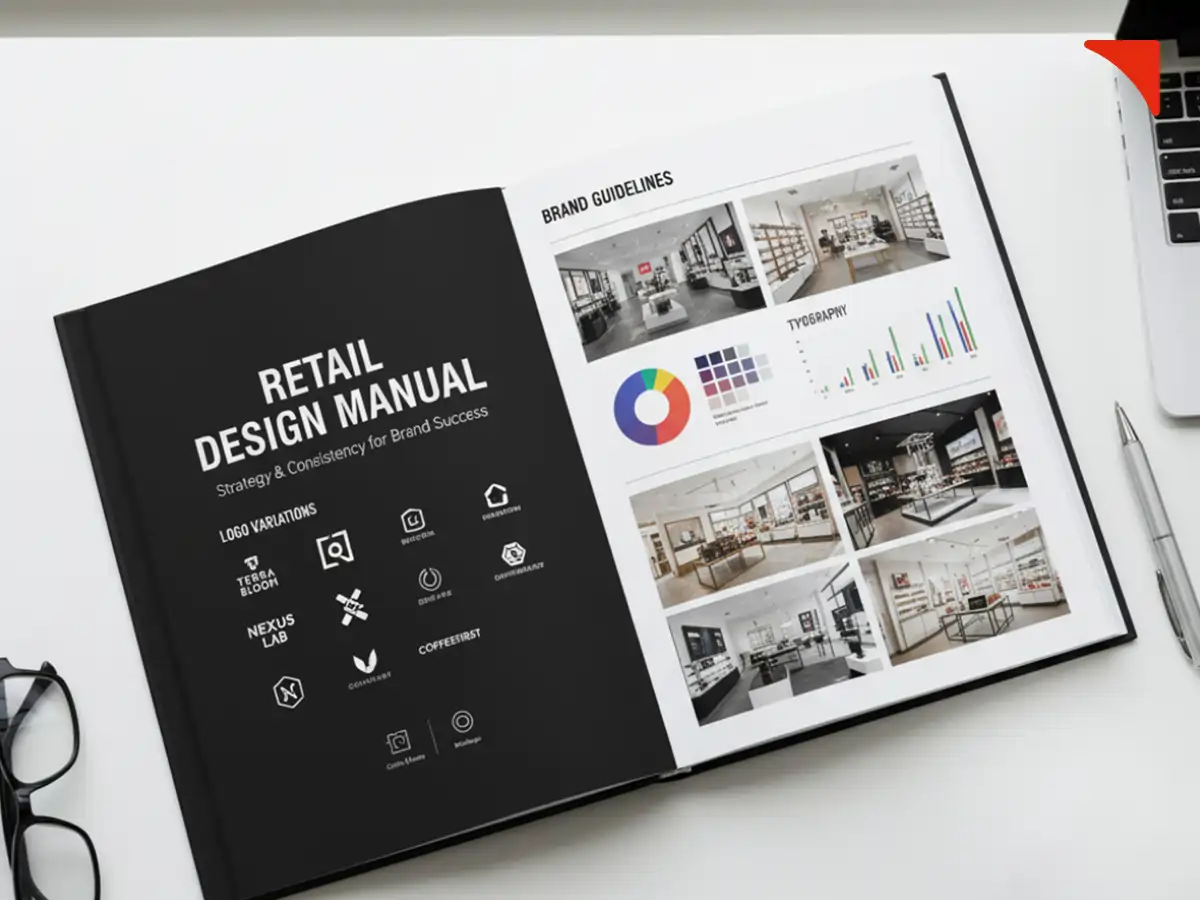
Standardization is indeed one of the most important aspects of strong execution. Brands that have established clear guidelines can ensure that their teams are acting consistently without any constant supervision. Tools such as retail manual design play a crucial role here. They translate strategy into simple, repeatable, and scalable actions for the team that is acting in front. Clearly, when expectations are documented in a streamlined manner and are easy to follow, the quality of execution automatically improves across all locations, store formats, and markets.
Brands need to understand one thing that standardization does not denote rigidity. Instead, it actually lays down a stable foundation that allows teams to adapt without losing alignment.
Scale Adds More To Execution Advantages
As a company scales and expands its retail network/presence, the advantages of strategic execution start becoming stronger. Even the smallest improvement, when consistently applied to hundreds or thousands of retail touchpoints, can lead to significant positive results. Aspects like better safety and compliance, clear communication, quick inventory restocks, etc., might seem minor individually. However, they can actually create a noticeable gap in overall performance.
In categories that have low differentiation, scale, when combined with execution, is actually able to create trust. Retailers, distributors, and brand partners always prefer working with companies that are predictable and easy to manage. And because strong executors gain access to better placements, wider distribution, and long term relationships, this preference further strengthens retail penetration.
Why Execution Is a Sustainable Moat

Product features and pricing strategies are not concerned about how an organization operates, but execution definitely is. It depends on elements like culture, system, training, and leadership behavior, which cannot be built overnight and are very difficult to copy. Also, even if the competitors attempt to imitate or copy the procedure, they will definitely struggle to establish the same level of discipline, which will further make it impossible for them to achieve the same results.
As already mentioned, retail execution is not a static framework. It evolves and improves over time. As the store teams and staff acquire knowledge, systems mature, and feedback loops strengthen, the organization automatically becomes more efficient and resilient. This continuous improvement further reinforces and strengthens the advantages and further keeps the brand ahead of its competitors, even in markets that offer identical products.