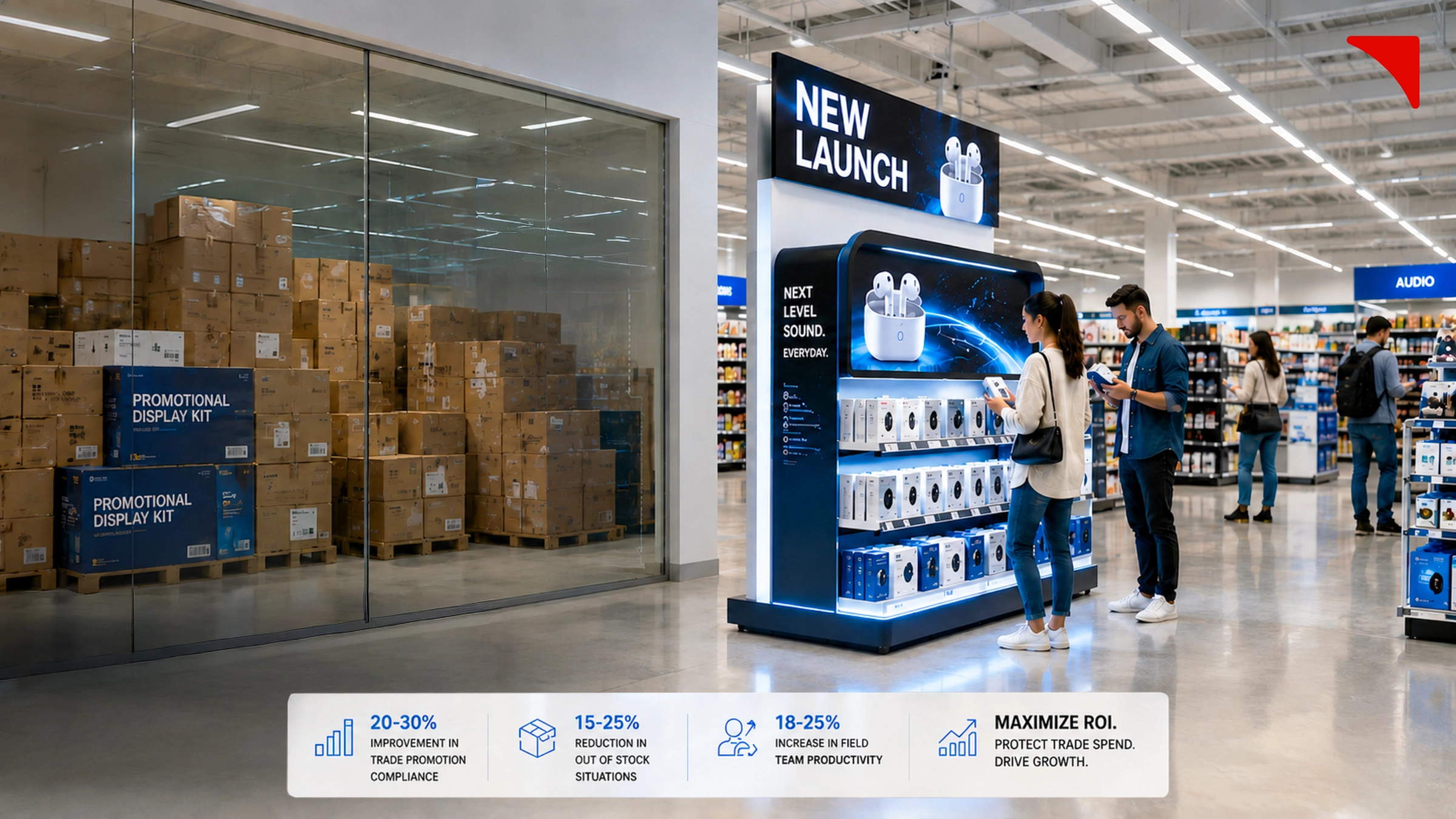
A multi-store product launch feels flawless when it is being discussed in a corporate boardroom. The strategy of the intended campaign is set, all premium end caps have been procured, and inventory is shipped to the perfect location. But it's the Final Yard where the most dangerous phase of a launch takes place. It can be defined as the literal distance between a store’s loading dock and the active sales floor. It has always been noticed that the final yard is where retail expansion starts bleeding capital.
When retail brands opt for traditional, manual rollouts, they suffer from a massive compliance gap: around 40% or more of their in-store promotional displays are either never set up or are executed in an inappropriate manner by busy store staff. Also, in case of high velocity retail rollouts, this clearly means that around half of the marketing budget is invisibly sitting in a backroom dumpster.
In order to survive in 2026 and above, it is extremely crucial for leading brands to abandon manual checklists and shift towards smart store execution. They need to adopt a tech driven approach that utilizes real time data, mobile first verification, and automation. Doing this will help them ensure that what’s promised in the strategy actually gets executed on the floor.
The Financial Stakes of "Shelf Reality"
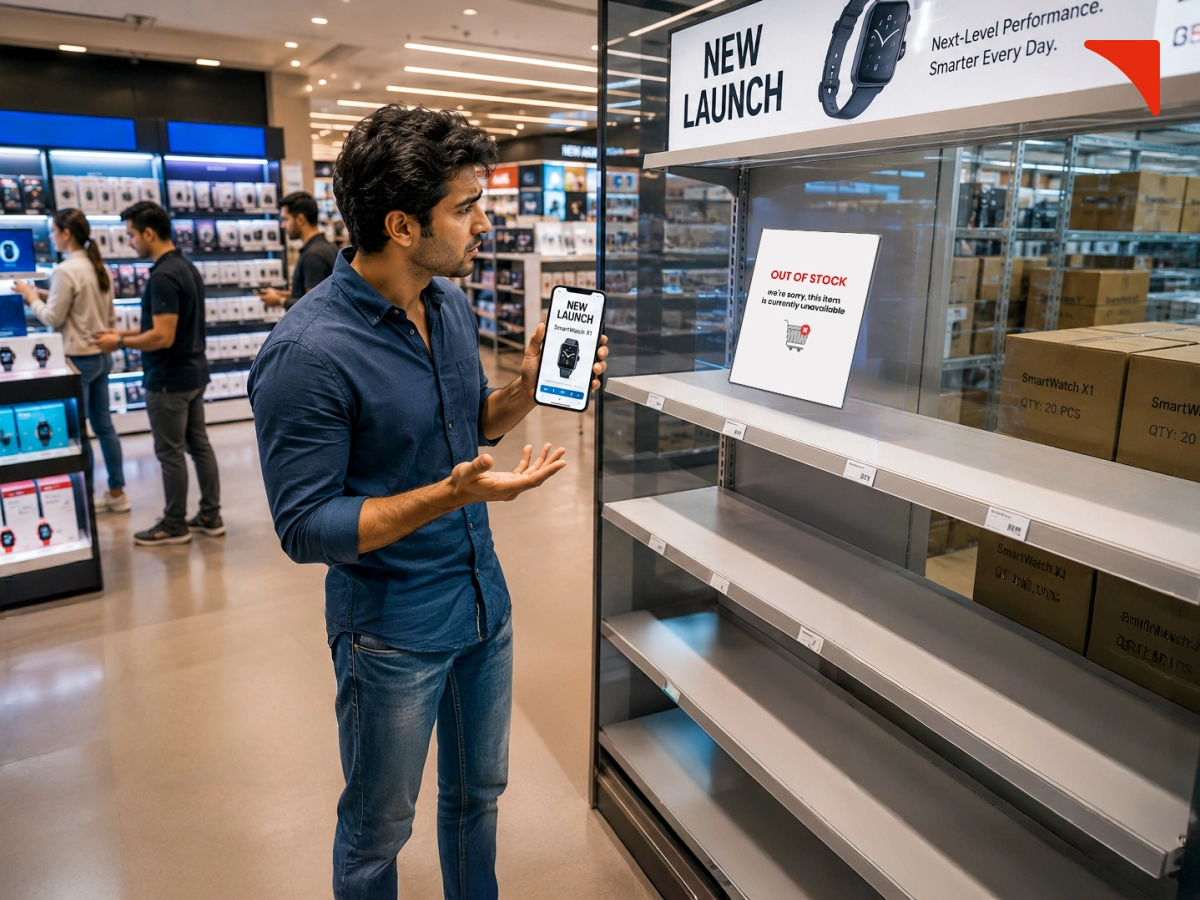
When brands execute their stores relying on guesswork, their return on investment crumbles. It has been noticed that modern consumers have zero, literally zero tolerance for a disorganized or poorly stocked shelf. In a comprehensive study by Capgemini, it was found that nearly 59% of modern consumers are expected to shift a portion of their shopping to retail outlets that have integrated automated tech specifically to solve common execution pain points, including long queues at the checkout counter, difficulty in locating and finding products, and out of stock items.
Imagine a situation in which a consumer walks into a newly launched retail store to physically experience the product that they saw on social media. If by any chance that product is not available on the shelf and is stuck in a box in the backroom, this will be counted as a failed conversion. On the other hand, if a brand closes this gap, it can experience huge benefits.
According to data gathered from mobile retail execution software benchmarks, it has been found that utilizing real time, photo verified compliance solutions can help brands trigger around 20% to 30% improvement in trade promotion compliance. This further results in 15% to 25% fewer out of stock situations on top performing items.
From Paper Checklists to Decision Automation
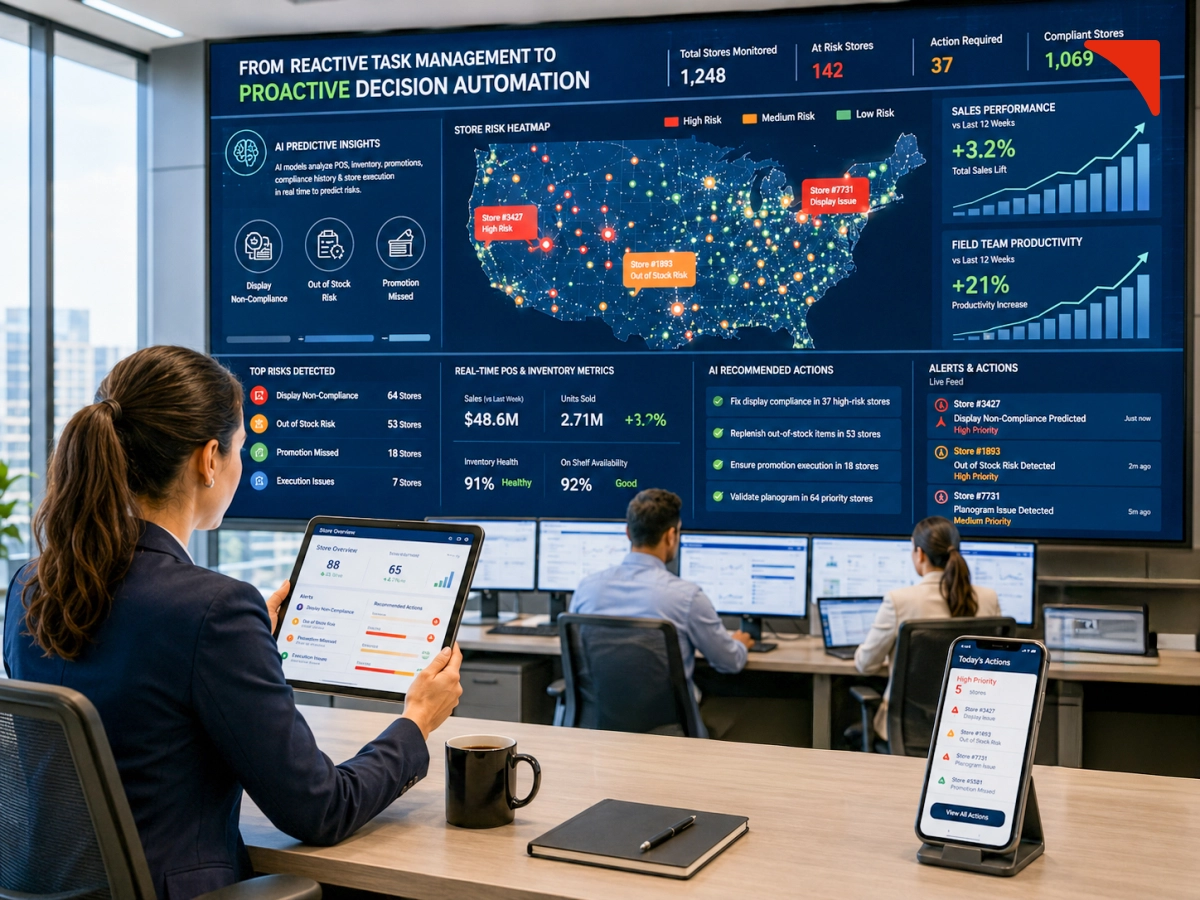
The shift from reactive task management to proactive decision automation is what defines the main difference between traditional rollouts and smart retail execution.
A renowned global consumer packaged goods (CPG) giant solved its display non-compliance across major US retailers by utilizing a case study from Sigmoid. Instead of waiting weeks for field reps to manually visit stores and report compliance failures, the respective brands decided to build an AI-powered sales enablement platform. They added real time point of sale data and retailer inventory metrics, due to which the AI-powered system automatically started flagging exactly which stores had a high probability of display non-compliance. The results helped the field teams target the areas with problems, further resulting in an immediate 3% growth in overall sales and a massive boost in team productivity.
The Deloitte's Future of Sales Report clearly highlighted that retail organizations that successfully make this transition to digitized field execution are able to achieve around 18% to 25% increase in overall productivity among their field reps. In addition, they are also able to significantly shorten their launch sales cycles.
The Procurement Shift: Sourcing for Total Value
When we talk about procurement specifically, smart store execution is something that completely rewrites the sourcing playbook. A long time back, retail brand owners used to measure success by driving down the unit cost of the executed display and fixtures. While being involved in this process, they often ignore the fact that a cheap display that has a complex assembly method and occupies 30 minutes of a store staff is not an asset but actually a liability. This might not get noticed in the case of executing a single store. However, during rapid retail rollouts, where 50 stores need to be launched in 50 days, those wasted minutes add up to hundreds of hours of distracted labor.
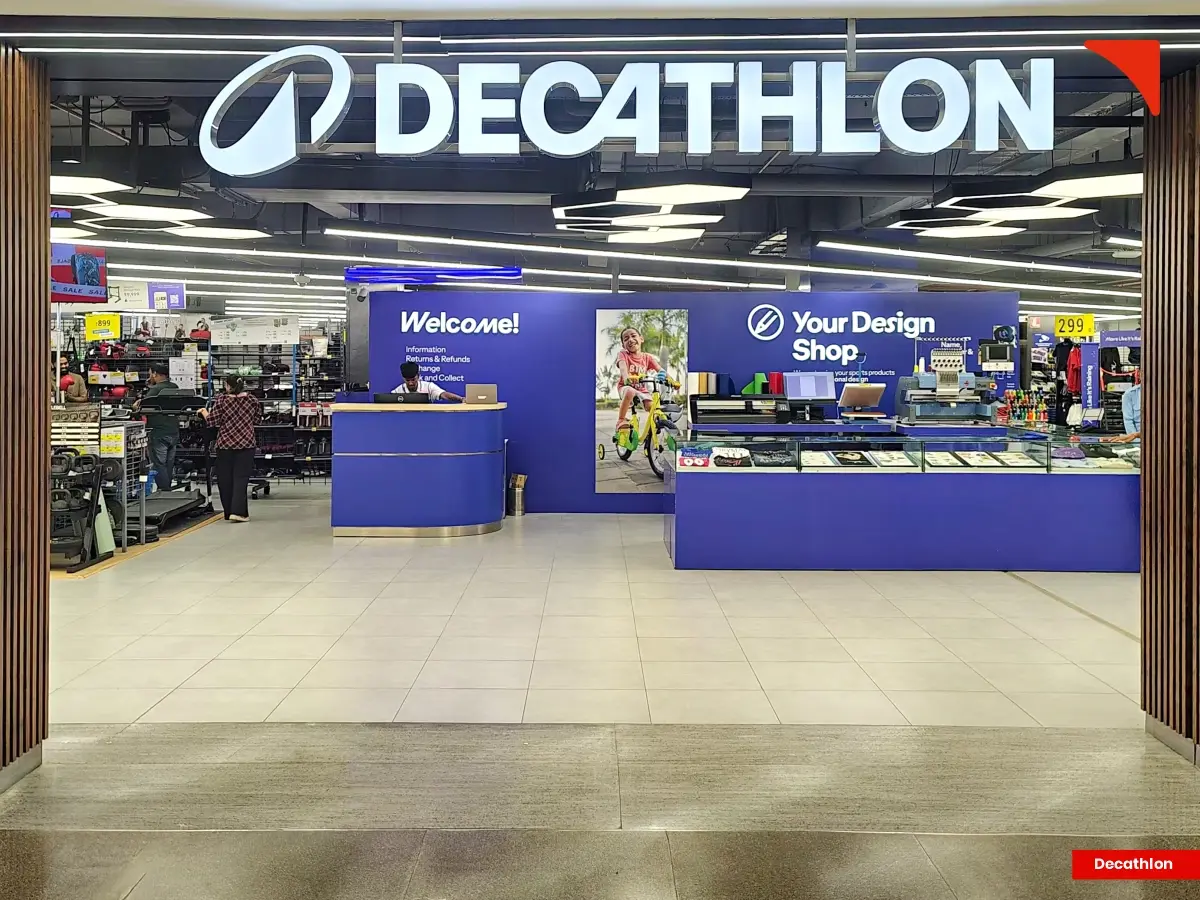
In order to ensure smart execution, there should be a proper sync between procurement heads and operation teams. Decathlon, a global sports retailer, understood and targeted this exact friction point in their recent rollouts. The brand recognized that order picking and product setup is what account for up to 55% of store operating costs. Hence, they deployed localized automation and no code mobility platforms that helped Decathlon digitize their frontline store deployment. This further reduced human execution errors to less than 0.04%.
When procurement is not just about acquiring goods, and instead shifts towards execution ready hardware, like toolless, pre-assembled displays or smart fixtures, brands will notice that the upfront cost is rapidly being absorbed by the reduction in on-site labor and setup errors.
The 2026 Pivot to Predictive Compliance
Retail brands today are witnessing a massive market shift. A research from Research and Markets has highlighted the fact that the global retail automation market is currently expanding at a rapid rate and is projected to hit around 25.13 billion dollars by the end of 2026. The same research also provided proof points that this shift will be heavily driven by the integration of IoT (Internet of Things) and AI with in-store operations.
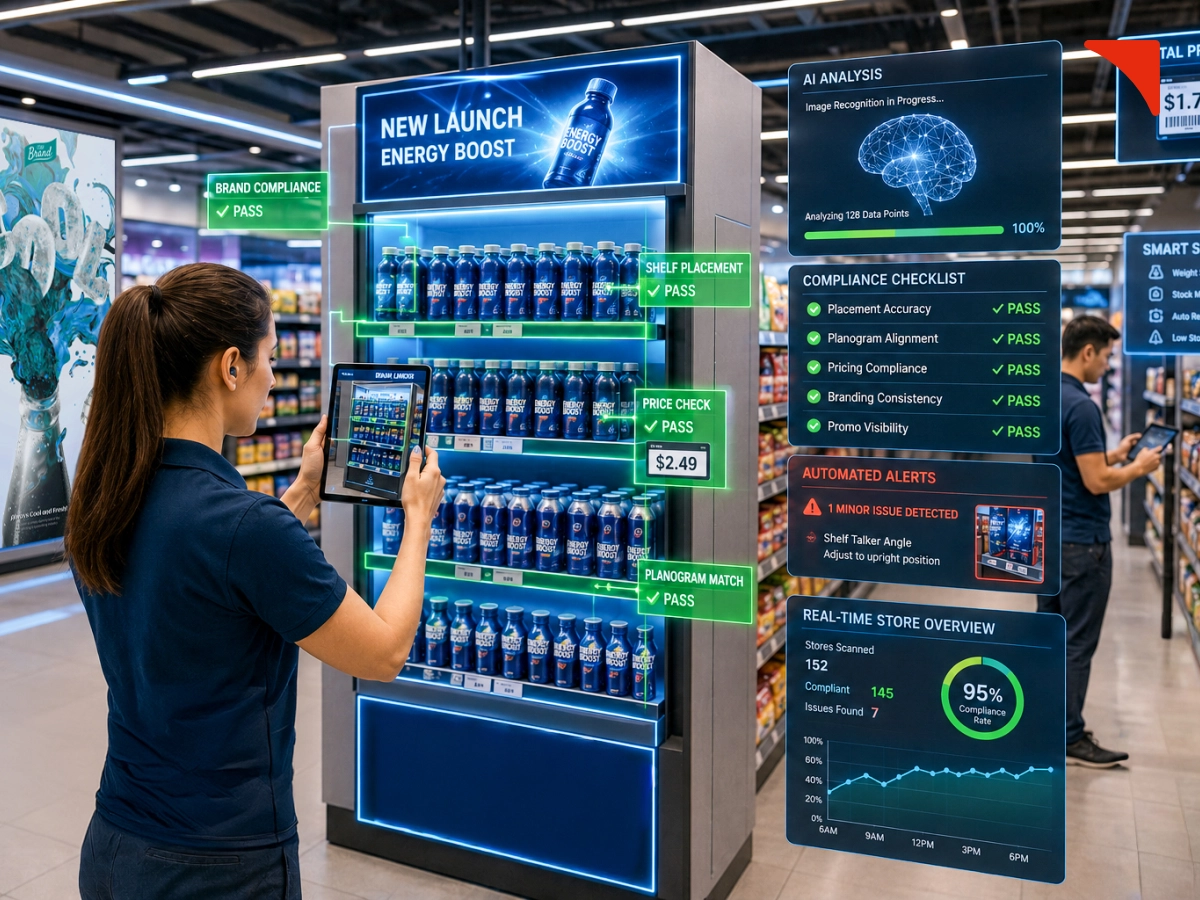
When brands opt for smart retail execution, their marketing managers, sitting in Delhi, will have to no longer cross their fingers and hope that a store in Mumbai looks right. The store associates will simply upload a photo of the completed display via a mobile app, and after that, image recognition AI will instantly verify if the placement, pricing, and planogram match the corporate standards. In case of a mistake, it will be detected at the exact moment, which will further trigger a corrective action automatically.
Conclusion: Protecting the Final Yard
We all are aware of the fact that it is marketing that creates demand and procurement that manages the supply. But we also need to know that it is store execution that acts as a glue and strongly holds them together on the retail floor.
In a race to scale, opening a store is not what defines retail success. It is a hollow victory if 40% of your brand’s visual impact is lost in transition. In order to avoid ending up in this situation, brands should consider investing in real time verification and automated compliance. This will help them protect their trade spend, empower their staff, and ensure that each and every new storefront becomes a high performing revenue engine from the very first hour.