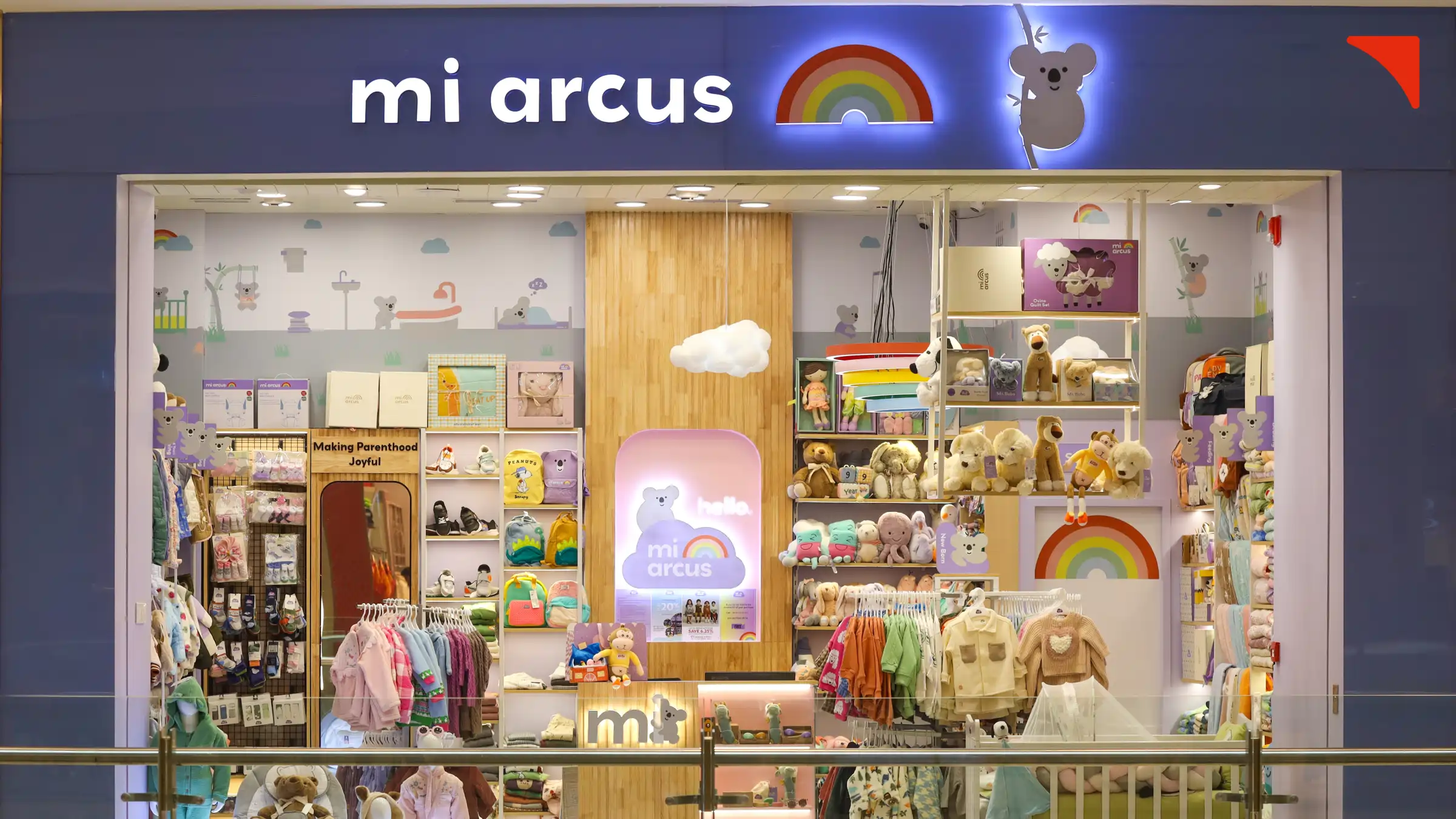
We are all aware of the fact that no two brands are the same. There may be similarities between different brands, but they will never be exactly the same. Every individual brand has a different way of communicating with its target audiences, and they prefer doing that even before customers are attended by any salesperson or interact with the available products. This is exactly where the concept of brand identity enters the play.
A brand's identity includes aspects like its logo, signature colors, store layout, product display, signage, and overall executed design. All these aspects inform the consumers about what a brand truly represents and eventually shape their perception of it. At the end, it's the brand identity that influences whether the consumers will trust this brand and choose it again or not.
First Impressions Matter
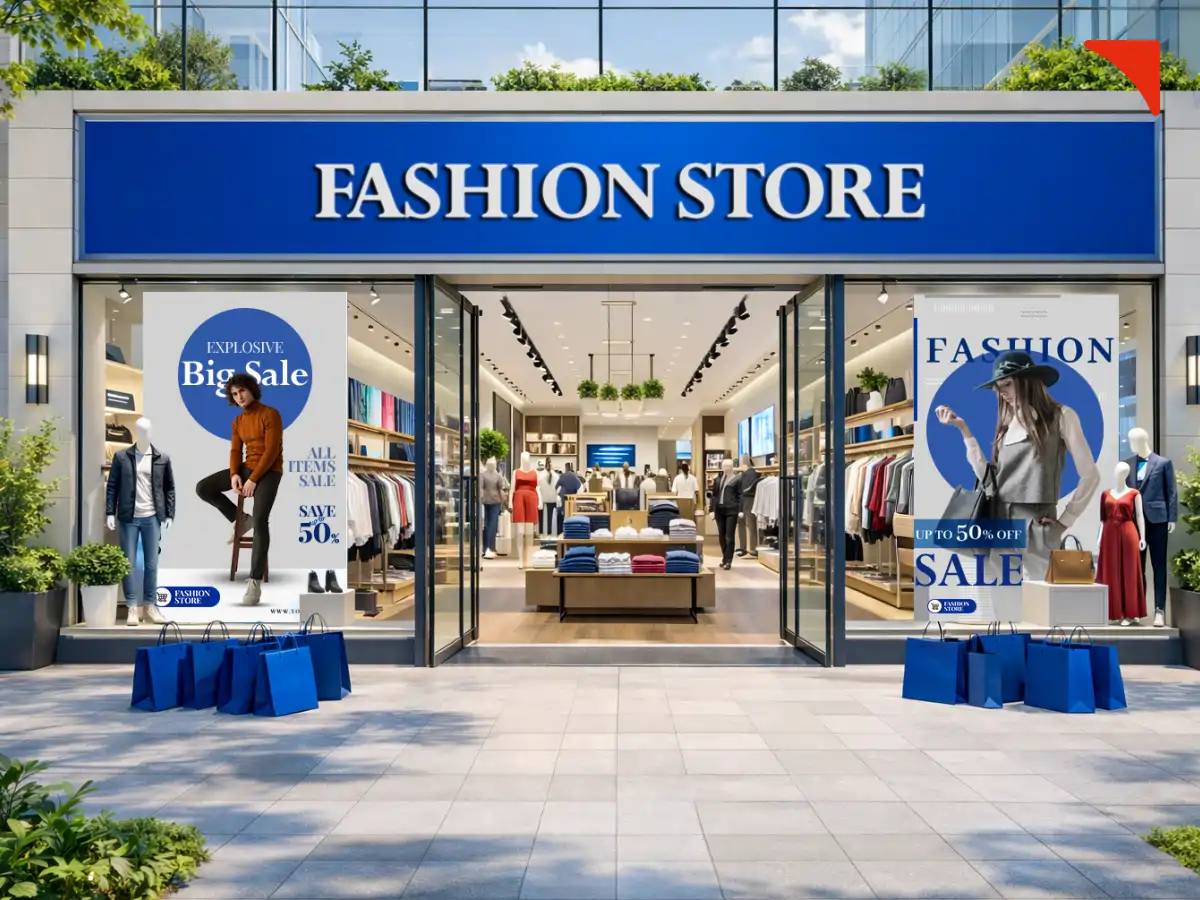
Are you aware of the fact that 55% of the customers form an opinion about the brand only from the visual elements within 10 seconds?
The visual identity of a brand consists of aspects like its logo, colors, packaging style, designs, etc. All these elements (individually or together) create the first impression, which is often the last one in most cases. When brands ensure that they strategically execute a well-designed and consistent identity, they can actually help customers seamlessly understand what a brand stands for.
Retailers should always consider opting for reputable brand identity design services. Taking the help of experts will let them ensure that their visual communication with the target audience is clear and consistent at every platform, including online stores, physical outlets, and advertisements.
Creating Emotional Connections
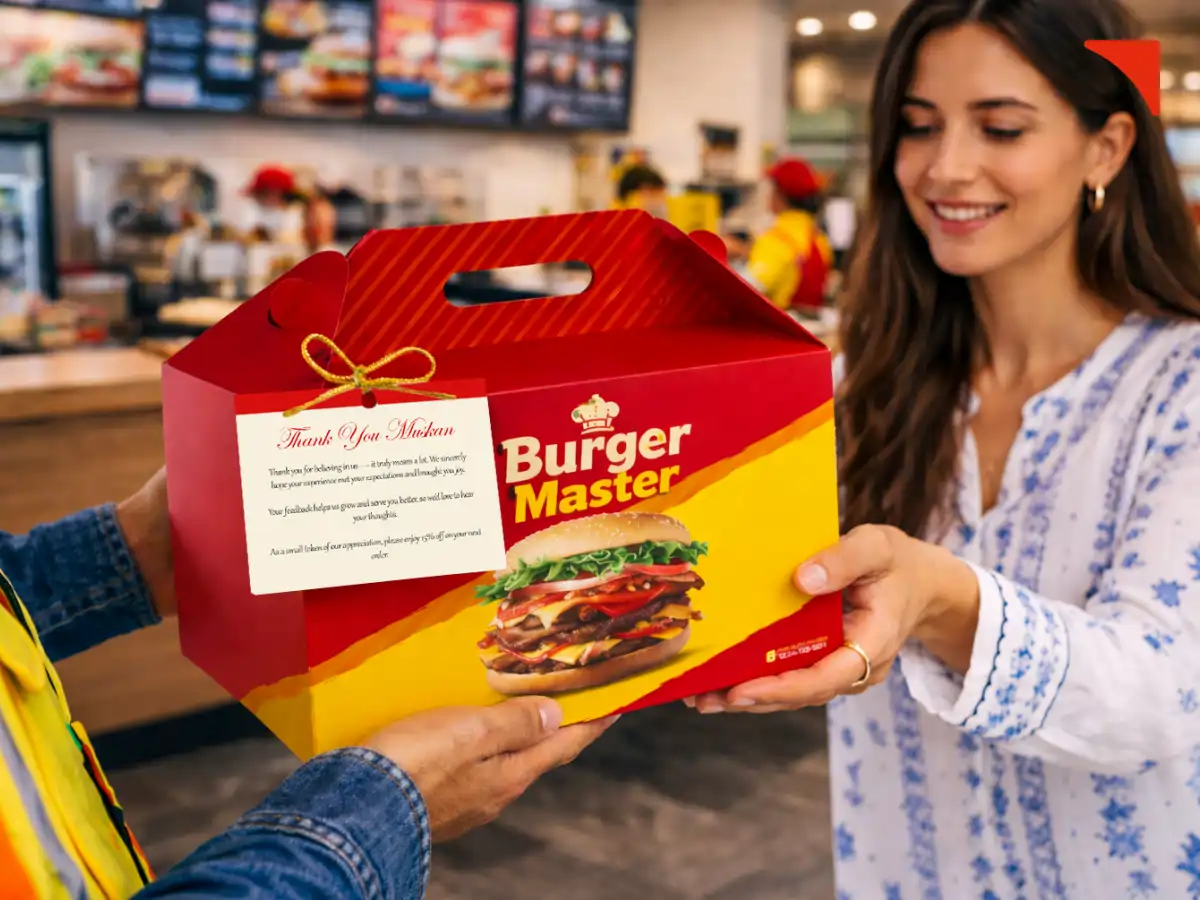
Designing and establishing an identity does not just help a brand in looking good. Instead, it also allows retailers to create emotional and personal connections with the visitors and shoppers. And clearly, when all executed design elements consistently reflect a brand's values and personality, there is a high chance that consumers will feel more connected and likely to remember it.
The Role of Physical Brand Experiences
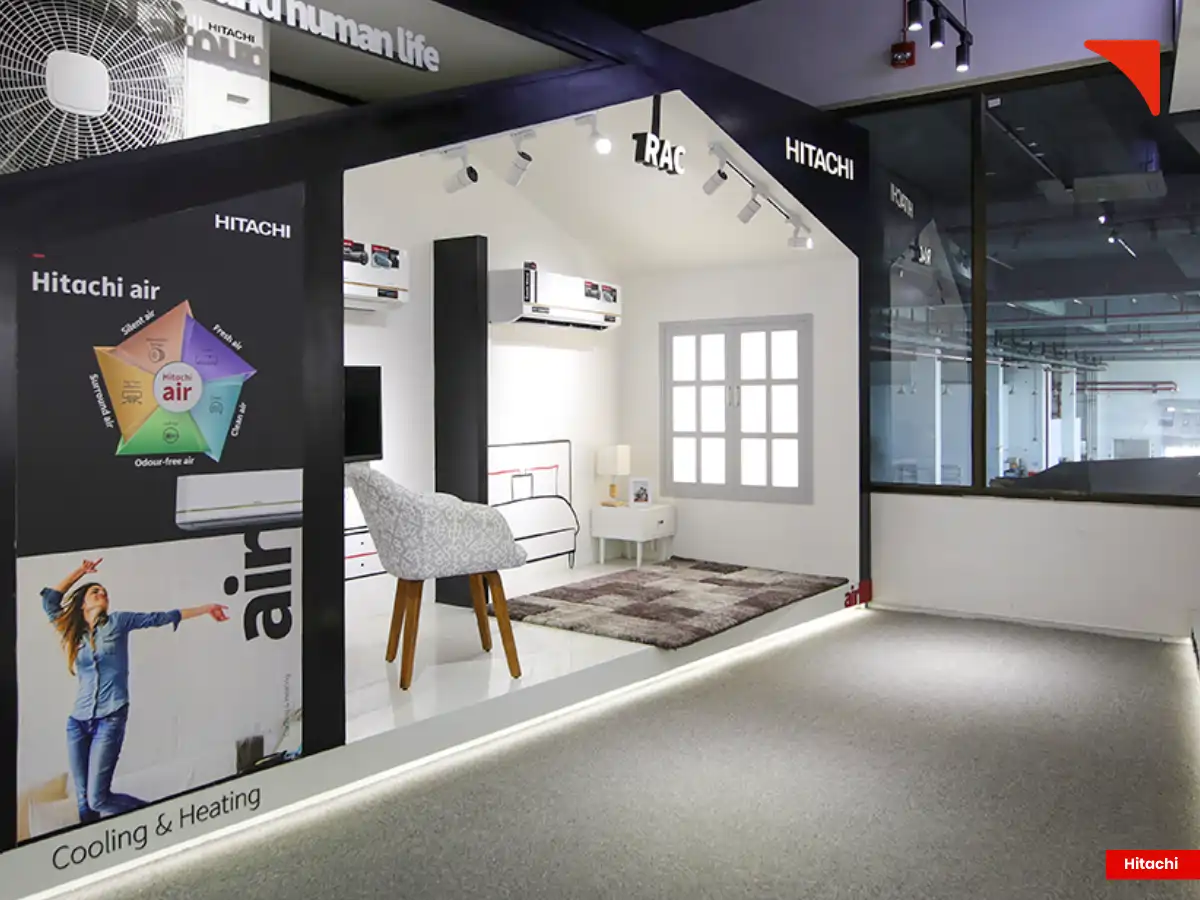
A long time back, when the world was introduced to the concept of online shopping, everyone thought that physical retail would come to an end. However, that was a completely false prediction. In fact, brick and mortar retail is again making a very strong comeback in 2026. Modern retailers now pay complete attention to their customers' demand, preferences, and expectations. They implement every tactic in order to appeal to the eyeballs of the target audience and further convert them into loyal customers. Designing and executing an immersive physical space is indeed one of the best ways to achieve this.
Brands can shape customer perception by directly influencing how customers interact with the products and offerings in a physical retail setting. Adopting experiential retail practices and integrating product experience zones within their showrooms can help shoppers engage with the brand on a personal level and further strengthen their interpersonal relationships.
This is where experience centers emerge as a proven solution. Instead of just simply showcasing products, brands can invest in an immersive experience center design that allows them to independently demonstrate their product capabilities, practice storytelling, and allow customers to leave with a memorable shopping journey.
The Relationship Between Visual Merchandising, In-Store Perception, and Customer Attention
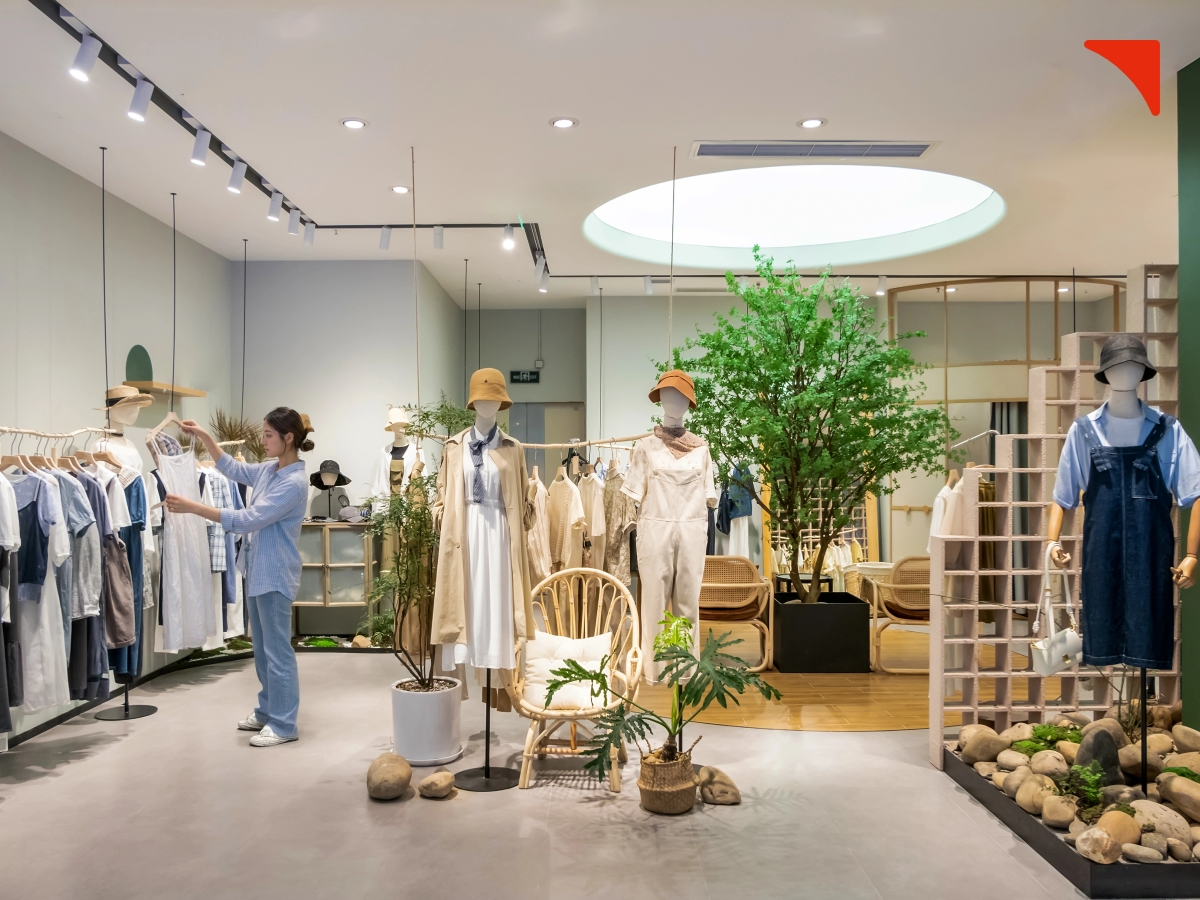
Some retailers might consider just placing products rather than displaying them. However, they need to understand that displaying products within a retail store is an art. It is important to consider how products are being displayed, as it significantly influences how customers perceive a brand.
When the displays and fixtures within a store are strategically designed and placed, they help retailers in highlighting key items, guide customers while moving in the store, and encourage buying decisions as well.
You might be shocked, but various retail studies have suggested that nearly 62% of customers make final purchasing decisions based on what they see inside a store.
In order to ensure that the store is aesthetically pleasing and completely functional, retailers can consider hiring an agency that provides reliable visual merchandising service in India. The professional will help the brand in creating and executing more attractive displays, appropriate lighting, simple and clear layout, and immersive signage within the store. All these VM tactics will further make the store more appealing, and help customers easily discover what all they need.
Consistency Builds Trust
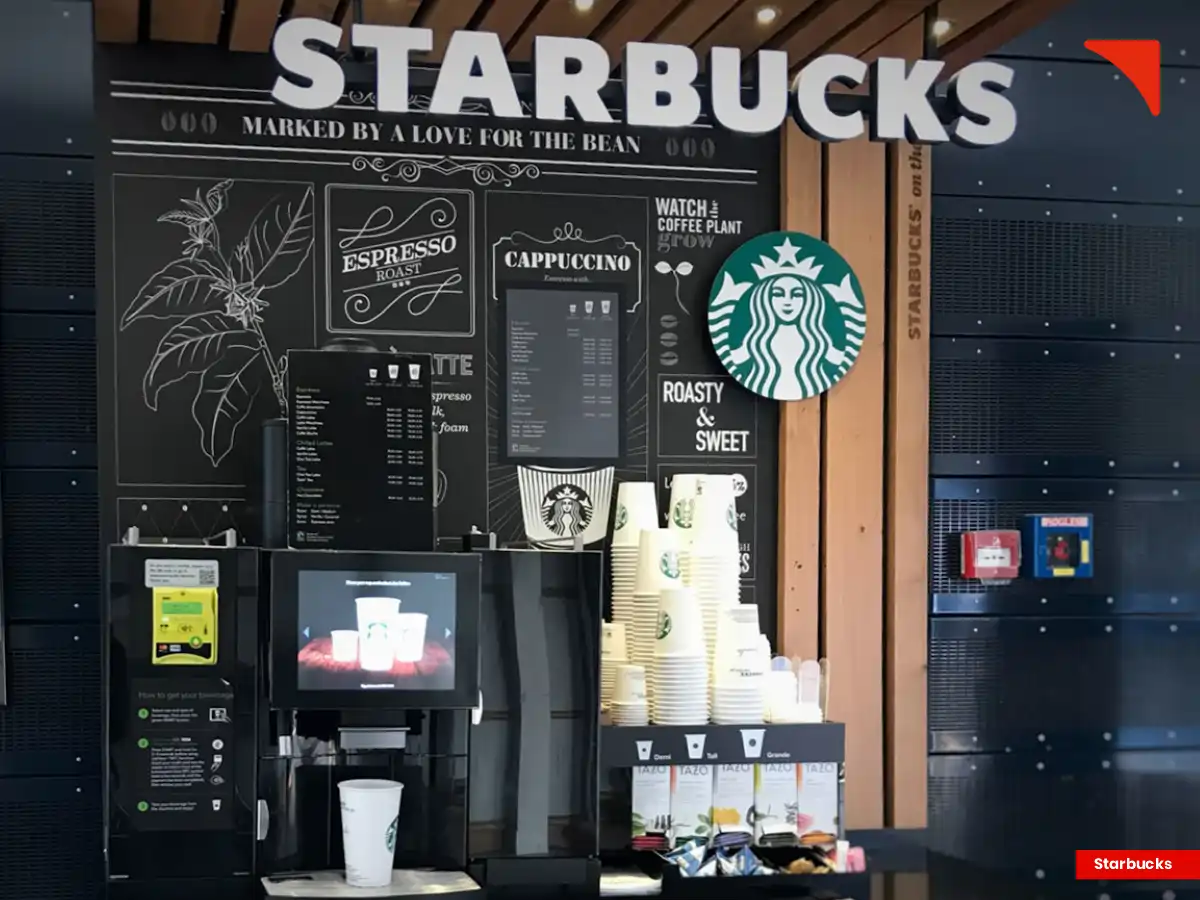
Consistency is indeed one of the most important elements that brands should ensure across all their retail touchpoints. Irrespective of whether customers are looking at a social media post, visiting a website, or walking inside a store, they should always feel familiar and cohesive at every platform.
When the brand identity design, physical retail environments, and product displays work in collaboration with each other, it provides customers with a clear understanding of what a brand truly represents and stands for. And this consistency is exactly what strengthens credibility and further builds long term customers' trust.
Winding it up!
A brand's identity indeed has a very powerful impact on how customers will perceive a business. From all the executed visual elements to the in-store experiences provided to customers, each and every detail, whether small or big, significantly contributes to the overall image of the brand.
By investing in a strong retail identity design, businesses can actually establish meaningful experiences that attract, engage, and retain customers.