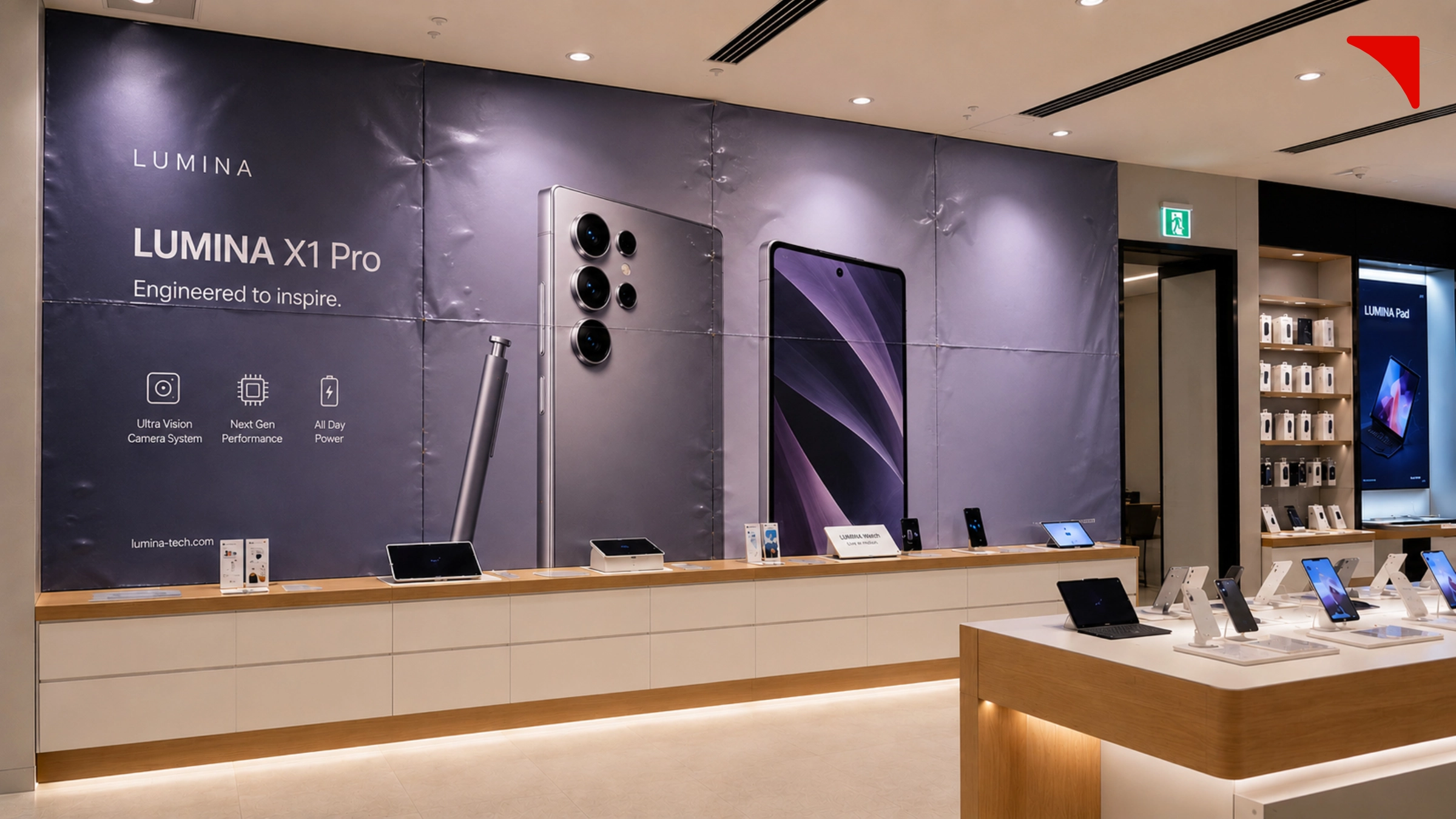
Online shopping is indeed one of the most common ways modern consumers make a purchase. However, in 2026, it has been noticed that physical retail has made a major comeback.
According to a study by the National Retail Federation (NRF), it was found that despite the growth of e-commerce, it is the physical retail stores that account for the majority of retail sales.
Also, it has been observed that shoppers now view products through online platforms, gain information about them, and easily compare the desired products with the best alternatives, but often make the final decisions within a physical outlet. Well, this is exactly why in-store experiences hold a lot of significance in determining a brand’s overall success and growth.
Right from the moment a shopper walks through the decompression zone to the time they reach the checkout counter or exit, each and every visual element, whether small or large, influences their experience. And this is exactly where the concept of in-store branding enters the play. It is not just about implementing appealing graphics or colorful displays.
Instead, interior branding creates a seamless shopping journey that significantly assists customers in quickly reaching out to and finding products, fosters trust, and encourages positive purchasing decisions. When the branding elements within a retail outlet are not strategically designed or precisely executed, a brand does not just miss out on opportunities for creating a good impression, but also experiences loss of revenue.
Why Poor Store Branding Costs More Than You Think
1.) Confusing Store Layouts Reduce Sales Opportunities
Imagine walking into a retail outlet, a grocery store or supermarket specifically, where you cannot find any overhead signs, promotional displays, or product category sections. In this scenario, irrespective of how unique, useful, or good quality the products the brand/store is offering are, the user will definitely leave with a frustrating and overwhelming shopping experience.
According to a research by the Shop! Association, formerly known as POPAI, it was found that more than 76% of the total purchase decisions are randomly made within a retail store. Well, this clearly highlights the fact that shoppers are and have always been majorly influenced by what they see within a store. This includes aspects like available products, how they have been positioned and placed, and how they can easily reach out to them.
In the case of a confusing layout, shoppers often reduce the overall visit time or purchase fewer items in comparison to what they actually wanted to buy. On the other hand, factors like clear navigation, logical product placement, and well positioned displays automatically help in removing this friction and further develop a smooth and seamless buying journey.
2.) Weak Visual Branding Reduces Customer Trust
We all have heard the statement 'first impression is the last impression.’
In today’s modern retail era, a consumer's first impression happens quickly. Even before they evaluate the quality of products or their pricing, something that catches their attention during the initial stage is the overall appearance of the store.
Factors like faded or non clear graphics, inconsistent colors, outdated displays, or poorly maintained signage can automatically make a business less reliable to the viewers. Irrespective of how good the products are, the overall condition and the aesthetic appeal of the store are what shape a consumer's first impression. They often relate the quality of the store to the quality of the brand itself.
A study by Lucidpress, which is now known as Marq, helped in finding out that when brands ensure a consistent as well as appealing presence and presentation, it helps them increase the overall revenue by 33%. Apart from ensuring consistency across every physical touchpoint, establishing a consistent brand presentation across outlets is mandatory, as they are indeed one of the most influential places that significantly shape brand perception.
Hence, it becomes very important for organizations to implement effective and clear retail store branding techniques in order to gain a competitive edge. When brands constantly come across consistent visuals, they get a sense of reassurance that they are actually dealing with a business that is professional and trustworthy.
3.) Customer Experience Drives Repeat Business
Converting a random visit into an actual sale is definitely a win. But do you know what’s more important and valuable than this? It’s providing a consumer with a highly immersive, unique, and engaging experience so that they are automatically encouraged to return back.
According to PwC's Global Consumer Insights Survey, it has been observed that customer experience is one of the most underrated but strongest factors that helps in fostering trust and establishing a loyal customer base.
Clearly, a store that feels organized, visually appealing, and is easy to navigate automatically takes the customers or visitors into confidence and lets them make informed decisions throughout their shopping journey. On the contrary, a store with heavily crowded aisles, inconsistent messaging, or unclear signage will overwhelm the customers and force them to leave with a very negative impression. And this has nothing to do with their purchase. Even if the customers leave with a shopping bag in hand, they might never consider visiting again if the first experience is negative.
This is something that successful retail brands adequately understand. This is why they do not just focus on promotion and discounts and instead opt for turnkey projects so that each and every retail aspect of the shopping environment can be taken into consideration.
Winding up: The Future of Retail Branding Is Experience Driven!
We all are aware of the fact that retail spaces are evolving at a lighting speed. Tech enabled branding elements within retail outlets are becoming increasingly common. These include tools and elements like digital signage, interactive kiosks, QR enabled product information, and personalized promotions.
According to a study conducted by McKinsey, it has been noted that modern consumers now look forward to getting a very seamless experience across both digital and physical channels. At the same time, a retail research study conducted by Deloitte highlighted that brands that are increasingly investing in technology and digital tools are able to establish a more immersive and improved customer experience within the store.
It is evident that retail brand owners who will keep treating physical stores as simple sales locations will struggle a lot to keep pace with constantly changing customer needs, demands, preferences, expectations, and buying behaviors. On the other hand, retailers who will keep on transforming stores into immersive brand experiences and opt for the best in-store branding practices in order to encourage exploration, interaction, and repeat visits will be the ones who succeed.