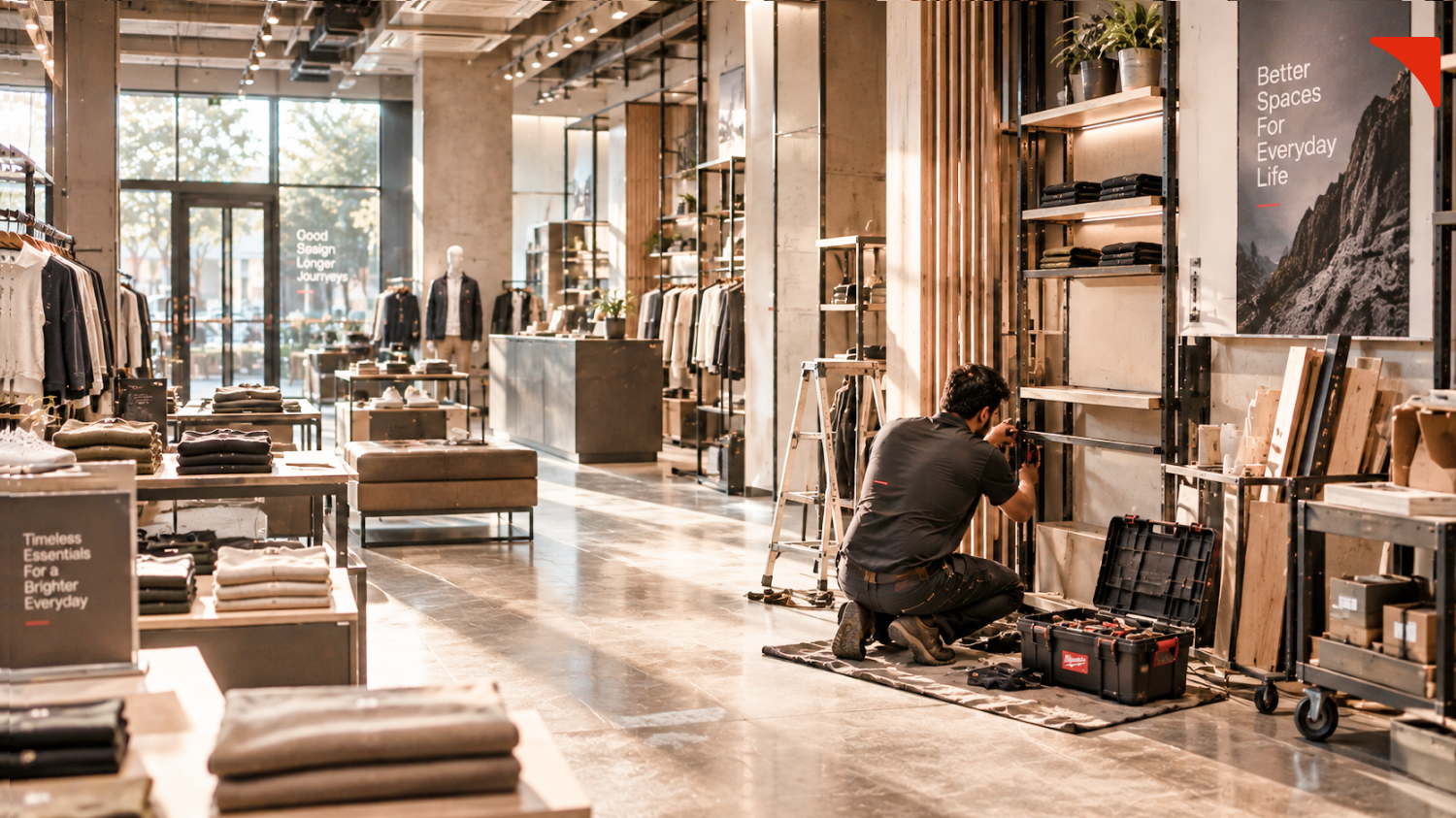
While opening a new store or renovating the existing ones, retail businesses often focus heavily on reducing upfront construction expenses. They often get attracted to quotes that offer lower project costs as they seem to be a smart financial choice at first. As a result, they generally underestimate the long term operational costs that are caused by poor quality interiors and low grade materials.
In today’s hyper competitive retail era, establishing a successful store design does not just revolve around aesthetics and visual elements. Instead, it is more about ensuring durability, operational efficiency, and lifecycle value.
According to a study by Coherent Market Insights, the global commercial interior design and retail fitout market is currently growing at more than 8% CAGR (compound annual growth rate). And as brands continue to invest more in physical retail experiences, this growth rate is expected to significantly increase in the future.
However, due to various geopolitical issues, the prices of raw materials are rising continuously. Also, it has become tough for retailers to survive in the market due to aggressive competition. These are two main reasons why retail brand owners force various contractors and agencies to lower project pricing (which is generally possible by compromising the build quality). Well, this decision is what later leads to the development of hidden costs for retailers.
Why Cheap Retail Construction Becomes Expensive Later
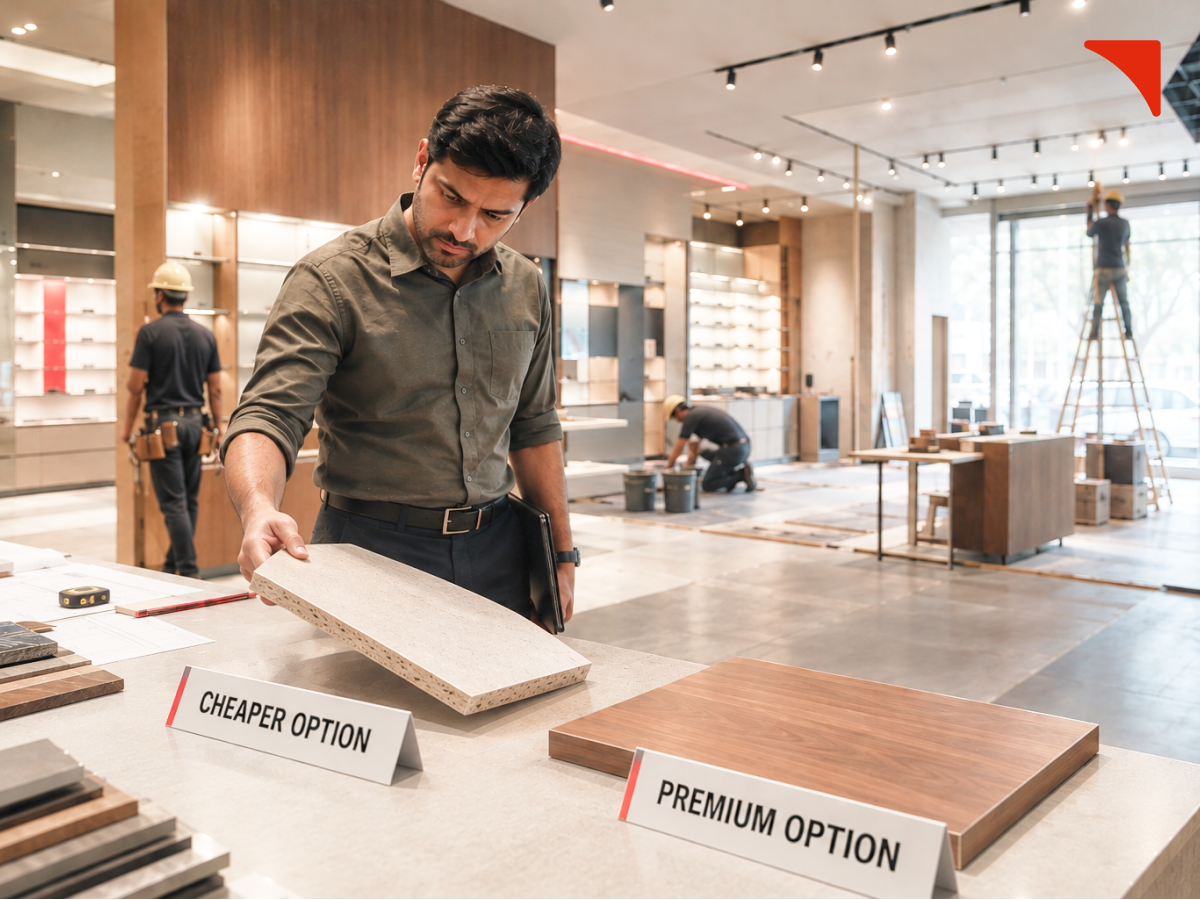
It is very evident that a retail store experiences continuous physical stress every single day. The flooring handles thousands of visitors’ footsteps, shelves carry heavy inventory loads, lighting as well as the music systems often operate for more than 12 to 16 hours a day, and other retail elements also do their jobs without taking a single leave. Clearly, when brands hire vendors or contractors that offer the lowest bid, they will use lower quality materials that automatically deteriorate faster than expected.
According to a research from Business Research Insights, it was found that more than 42% of retailers are facing operational disruptions, and the main reasons behind this include inefficient layouts, poor installations, and materials with low durability. Mentioned below are a few common problems faced by retail brands.
Brands will agree to the fact that even the most minute maintenance issues can significantly affect revenue. In case they have to shut down their retail outlet for a week or two in order to get any of these issues solved, it will not just negatively affect the overall and peak sales that usually occur during weekends, but will also exceed the savings that might have been achieved during the initial construction phase. Well, this is indeed one of the major reasons why modern brands have now started evaluating their retail projects using the total cost of ownership (TCO) instead of just calculating upfront capital expenditure.
Understanding the Real Cost of Ownership
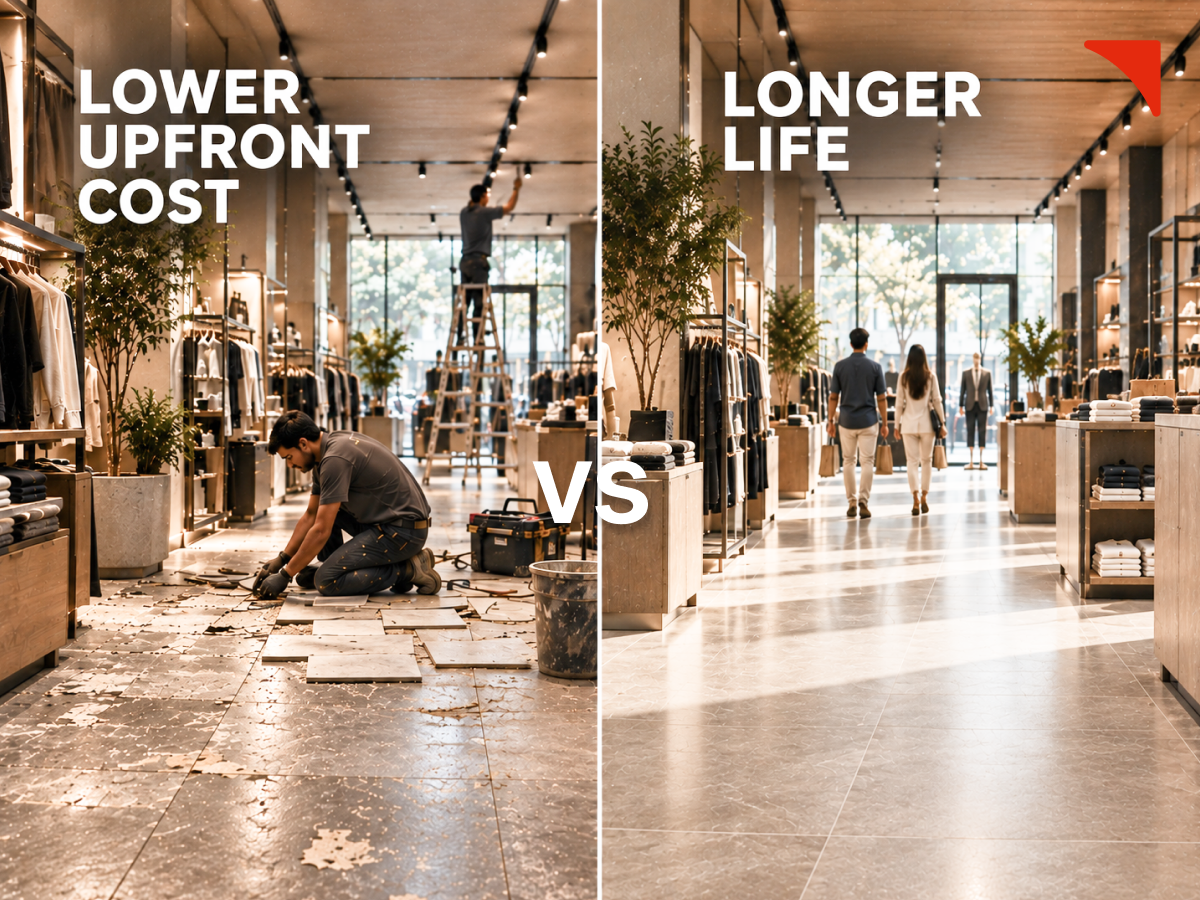
Various long term operational expenses that are directly or indirectly associated with a retail space are considered while calculating the total cost of ownership. A few of the main aspects or expenses are mentioned below:
Understand this with an example. Let’s suppose that instead of low quality flooring, a brand opted for commercial grade flooring that costs 20 to 25% more in comparison. However, if the low quality flooring is supposed to last three years and the commercial grade is expected to last eight years, the extra cost is no longer an expense but an investment that facilitates long term savings. You can consider similar examples for lighting and music systems, shelving structures, shop fixtures, display units, wall panels, and other in-store elements.
A durable retail environment does not just reduce recurring expenses. Instead, it also helps the brand maintain a more consistent and pleasant customer experience.
Why Store Quality Directly Affects Customer Perception
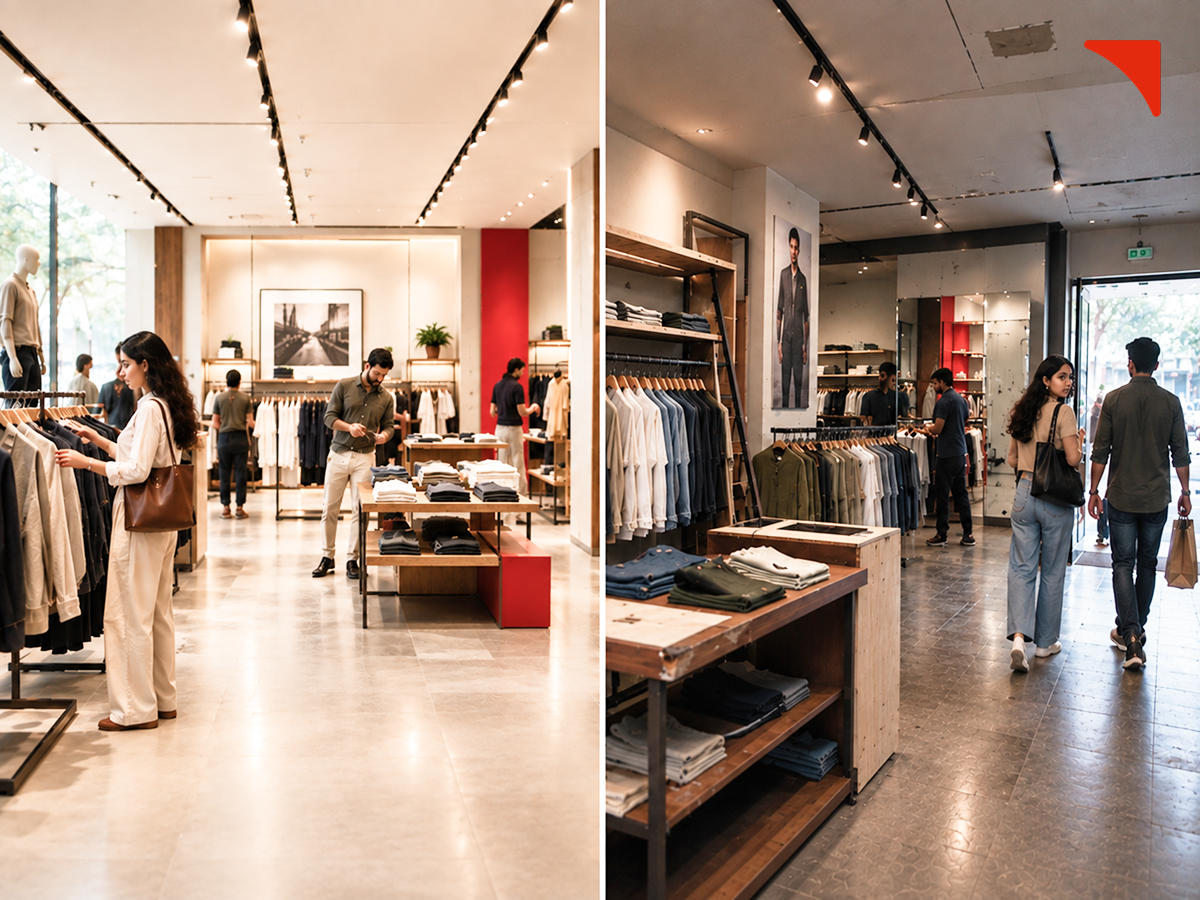
Modern consumers think differently. They often associate the store’s quality with brand credibility. In other words, the quality of a store directly impacts both customer perception and their buying behavior.
Different studies have always highlighted that customers are more likely to extend their browsing time in stores that are organized, neat, and possess a visually premium retail environment. Negative factors like damaged interiors, unstable shelving, inappropriate shop fixtures, poor lighting, and unpleasant or too loud music reduce brand trust and directly hamper customers’ in-store experience. This does not just lead to a negative perception but also increases the likelihood of a customer never returning back.
According to one of the CBRE retail workplace studies, it was found that more than 68% of commercial tenants now opt for durable and flexible retail environments while renovating or upgrading their stores. This makes it very clear that brands and businesses are also taking a step towards investing in interiors that can adapt to different changes, including promotion and seasonal, that too, without requiring major reconstructions during every retail season.
Durable Fixtures Play a Bigger Role Than Most Retailers Expect
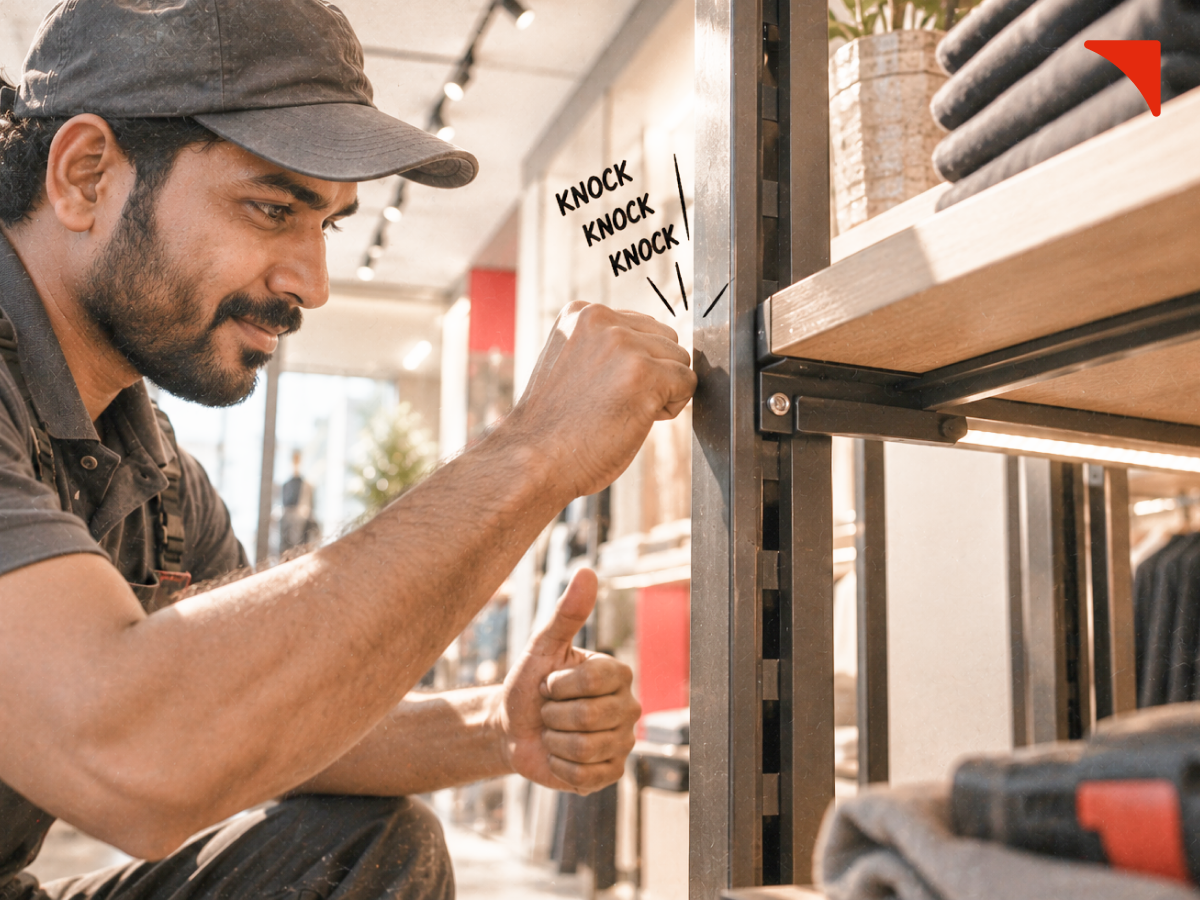
We are all aware of the fact that display systems and shelving units are indeed two of the most heavily used components inside any retail shop or store. When brands opt for poor quality displays, they might experience cost savings initially. However, these systems will loosen faster than expected, lose alignment, and require frequent replacement. They will not just hamper the brand identity and increase expenses in the long run, but will also make the store non compliant by causing safety concerns for both customers and staff members.
On the other hand, investing in durable retail shop fixtures will directly eliminate the hassle of getting them replaced on a frequent basis and will also help brands maintain a consistent and more premium in-store environment. In fact, strong fixtures and displays also improve merchandising flexibility by letting retailers recognize them based on different seasons and promotions, that too, without causing any change or damage to the store infrastructure.
And as modern retailers constantly expect new experiences (even from the same brand) whenever they opt for offline shopping, retailers will have to consider their preferences and update their store layouts more frequently. In this case, fixture durability becomes even more important.
The Importance of Working With Experienced Fitout Partners
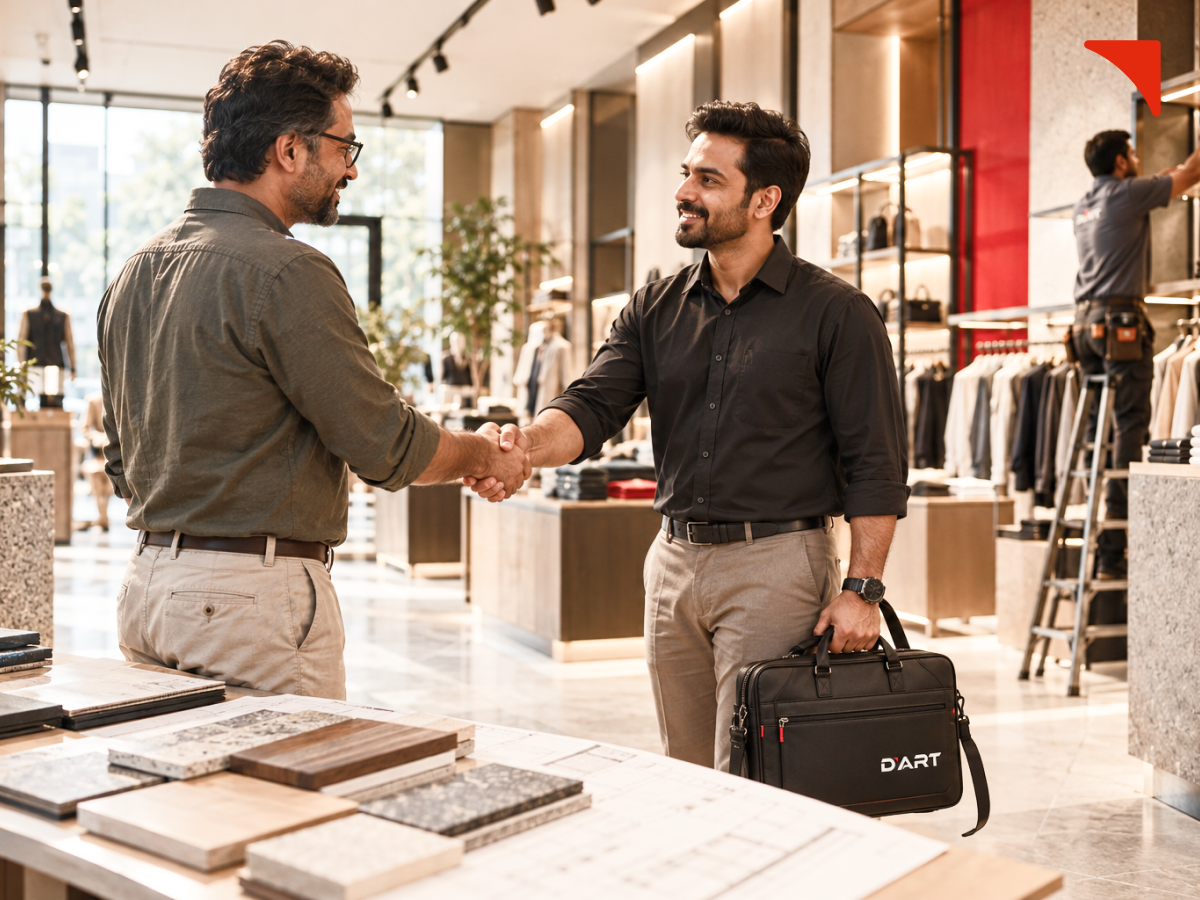
It is a very surprising thing to know that even in 2026, many retail brands still prefer following fragmented construction models and let multiple vendors handle the design, manufacturing, procurement, and operations parts independently. Well, this approach might undoubtedly appear cost effective initially, but it definitely leads to coordination gaps amongst different teams that further result in inconsistent quality standards, increased cost, and delays in store launch/setup.
Well, this is exactly why successful retail brands never juggle with multiple vendors and instead consider partnering with a reliable and experienced shop fitout company like D’Art Private Limited that can provide integrated solutions and handle all retail phases while offering a single point of accountability.
This integrated approach improves the project quality and also helps retailers make smarter material and layout decisions, right from the beginning. The strategy, design, and operations teams at D’Art do not make random decisions. Instead, they evaluate various factors, including the following ones:
Unlike vendors, D'Art never ignores these factors. This is because taking them into consideration is extremely important as they directly influence operational efficiency over the life of the store.