Retail expansion was once largely a game of numbers. It completely revolved around:
However, things are no longer the same. As customer expectations, real estate costs, shopping habits, buying behavior, and other dynamics of the retail world continue to change rapidly, modern retailers have now started rethinking what store expansion should actually look like.
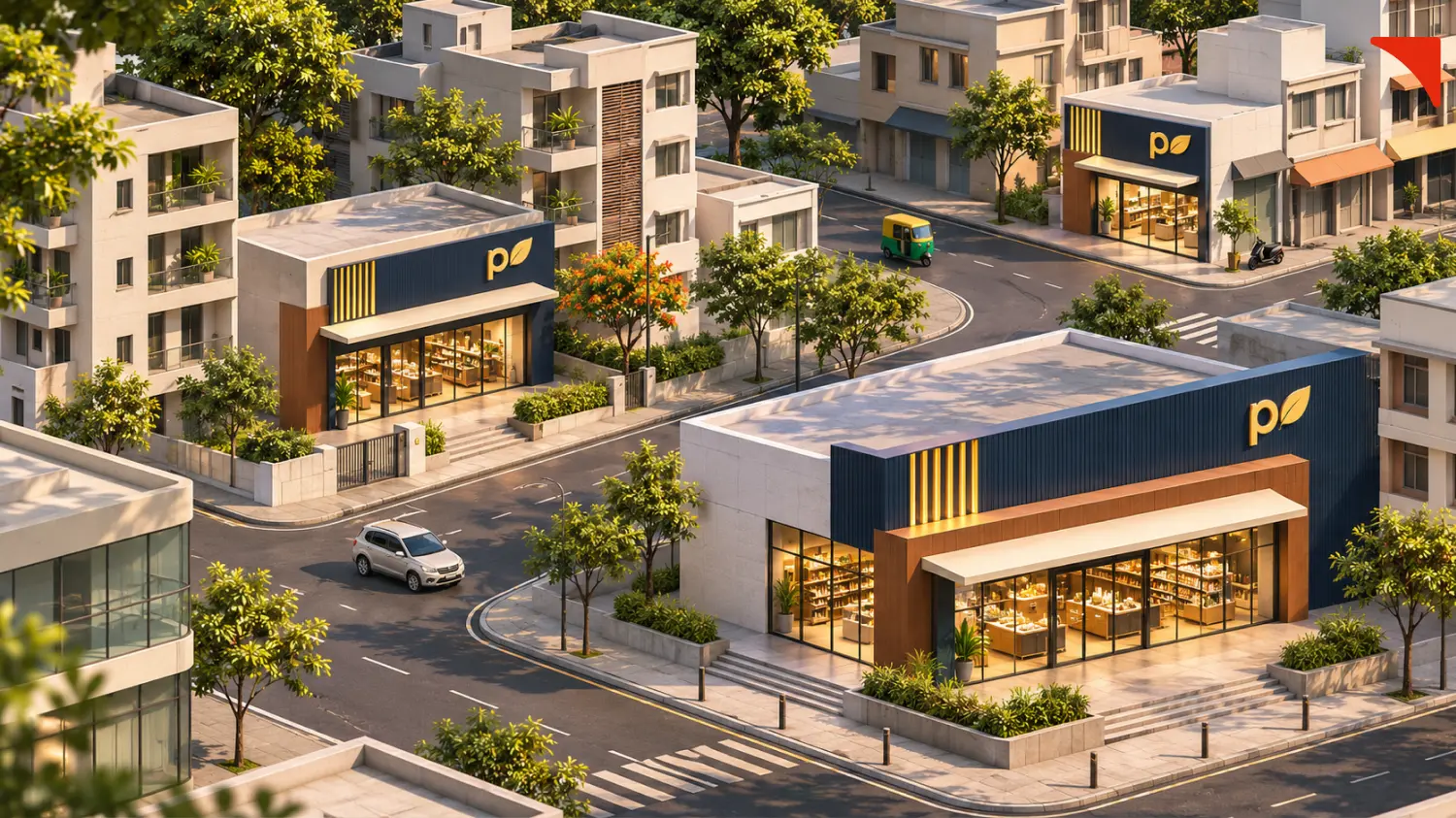
One of the biggest shifts is the move towards neighborhood retail formats. These are smaller, locally relevant stores that are specifically designed around the needs of a defined/specific catchment. Neighborhood or hyperlocal store formats should not be considered as reduced versions of larger outlets simply because they aren’t. Instead, they actually represent a completely different approach to expanding that allows retail brands to seamlessly enter more micro markets while adapting the proposition to local demand.
Expansion Is Moving From Cities to Micro Markets
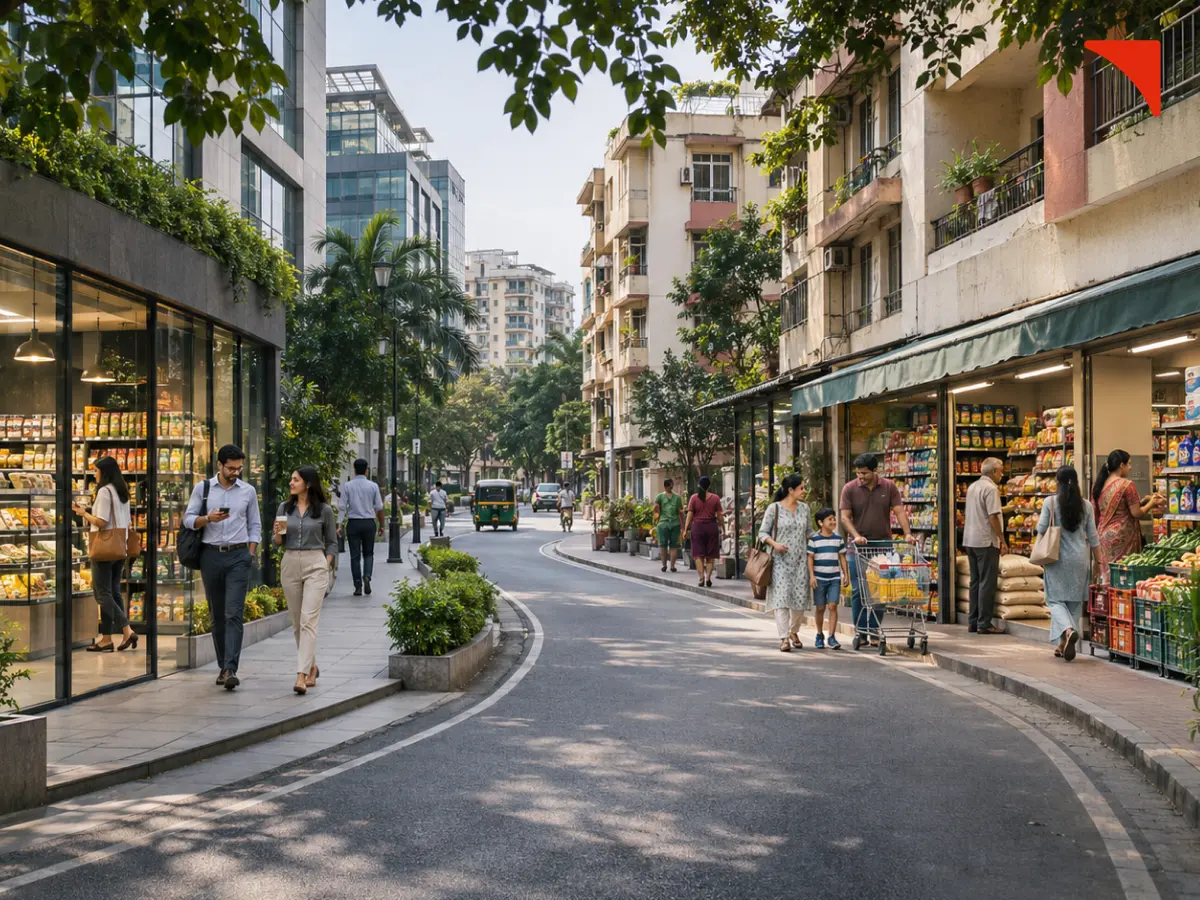
In general, retailers usually look at a city as one expansion opportunity. But it is neighborhood retail that has been and is changing this particular thinking. This is simply because a city (whether small or big) can contain numerous micro markets with very different customer profiles, income levels, shopping missions, and competitive environments.
Understand this better with an example. It is very much possible that two neighborhoods within the same city might have completely different demand and purchasing patterns. One area might be filled with young professionals who often look for convenience as well as premium products. On the other side, they might be families who prefer larger packs, value pricing, and a broader household assortment.
This automatically makes catchment intelligence even more important. Hence, instead of asking, ‘which city should we enter?’, retailers should actually ask which neighborhoods have the right demand, accessibility, and growth potential?’
This shift will actually make store expansion more targeted and will further reduce the risk of entering locations simply because they possess high overall foot traffic.
Smaller Formats Can Create More Expansion Opportunities
Real estate is indeed one of the biggest constraints on physical retail expansion. When setting up larger stores, brands actually need to invest in substantial amounts, suitable properties, and enough demand, just to justify their footprint. But this is not the case with neighborhood formats.
They offer a completely different route.
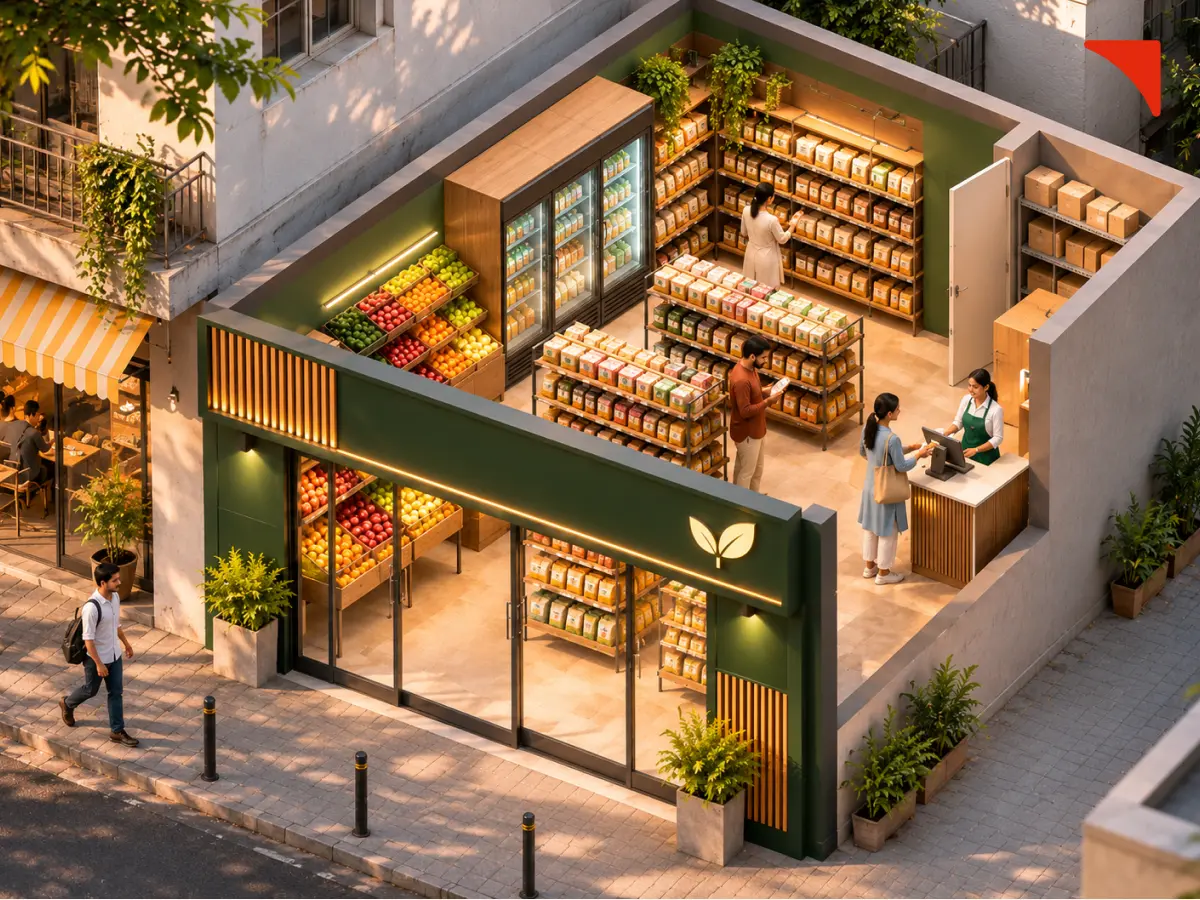
A retail brand owner will be able to operate a more compact outlet in locations where a traditional large format store may not be commercially practical. As a result, they can unlock opportunities in dense residential areas, mixed use development, and local markets that are currently emerging.
But this does not mean that retail brands should equate smaller with better. Because, after all, the main objective is to actually determine what the store actually needs to achieve within the available space.
This is exactly the point where store design actually acts as a strategic expansion tool instead of just serving as an aesthetic exercise. Brands need to plan various aspects around and according to the customers’ shopping mission, including product zoning, selection of fixtures, product visibility, circulation, and storage. In comparison to a traditionally large store, a compact store actually makes every interaction between the customer and brand easier. Because in huge stores, it is generally noticed that shoppers need to work harder to find what they need or require.
Format Flexibility Can Improve Expansion Economics
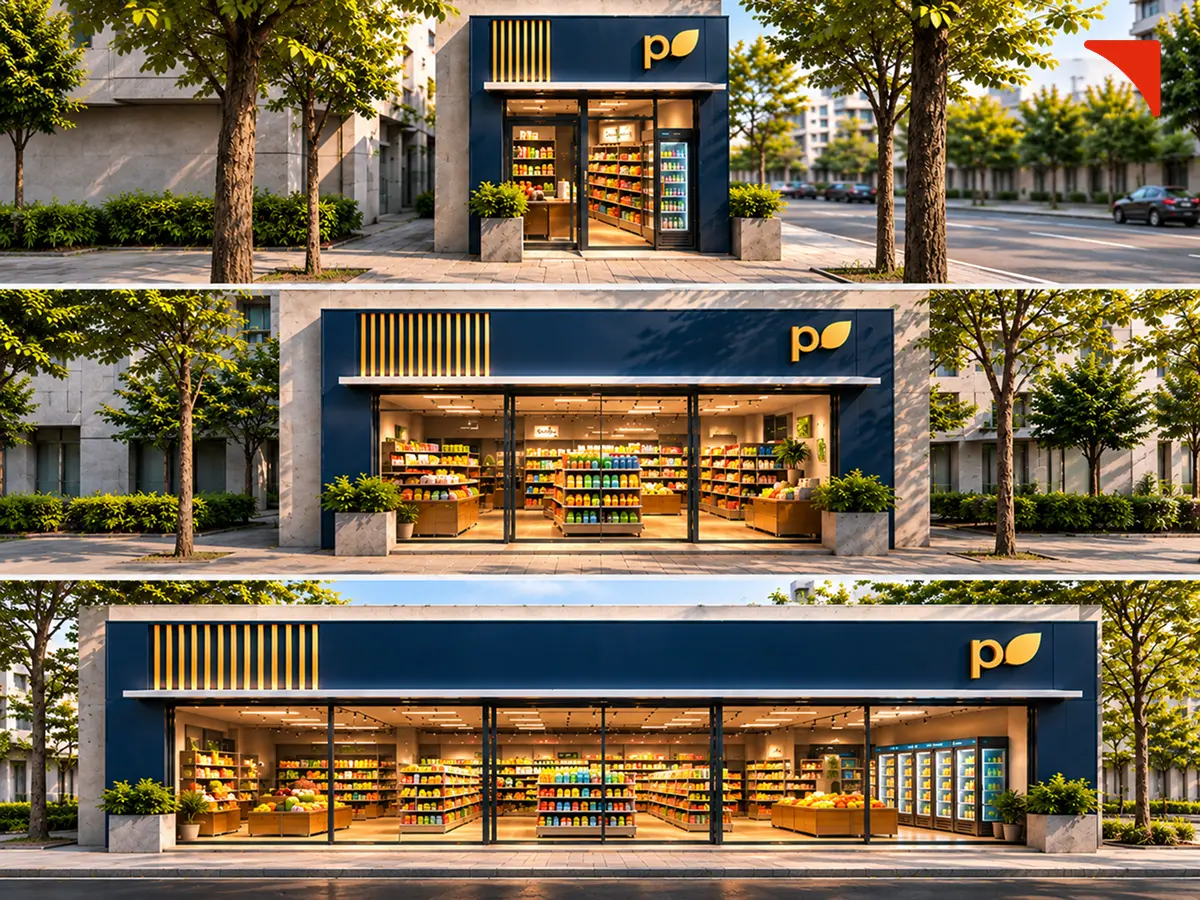
When we talk about neighborhood retail formats, they also allow the brand owners to experiment with store footprints before actually investing larger amounts.
A retail brand that is entering a market for the very first time might prefer beginning with a compact format, studying customer behavior and their way of responding, and then further gradually increasing its presence if the demand scenario is favorable. This automatically develops a more measured retail expansion path.
In addition to this, it also helps brands practice cluster based expansion.
Instead of just setting up isolated stores across huge geographies, retail brand owners can actually establish several outlets within connected neighborhoods. Doing this will help them improve their brand’s visibility and, at the same time, also make supply, staffing, marketing, and operational activities more effective as well as efficient.
But do you know what the most important point over here is? Retail expansion is no longer just about counting the number of stores; instead, it is increasingly moving beyond this and becoming more about establishing productive store networks.
Standardization Still Matters! But It Should Have Limits
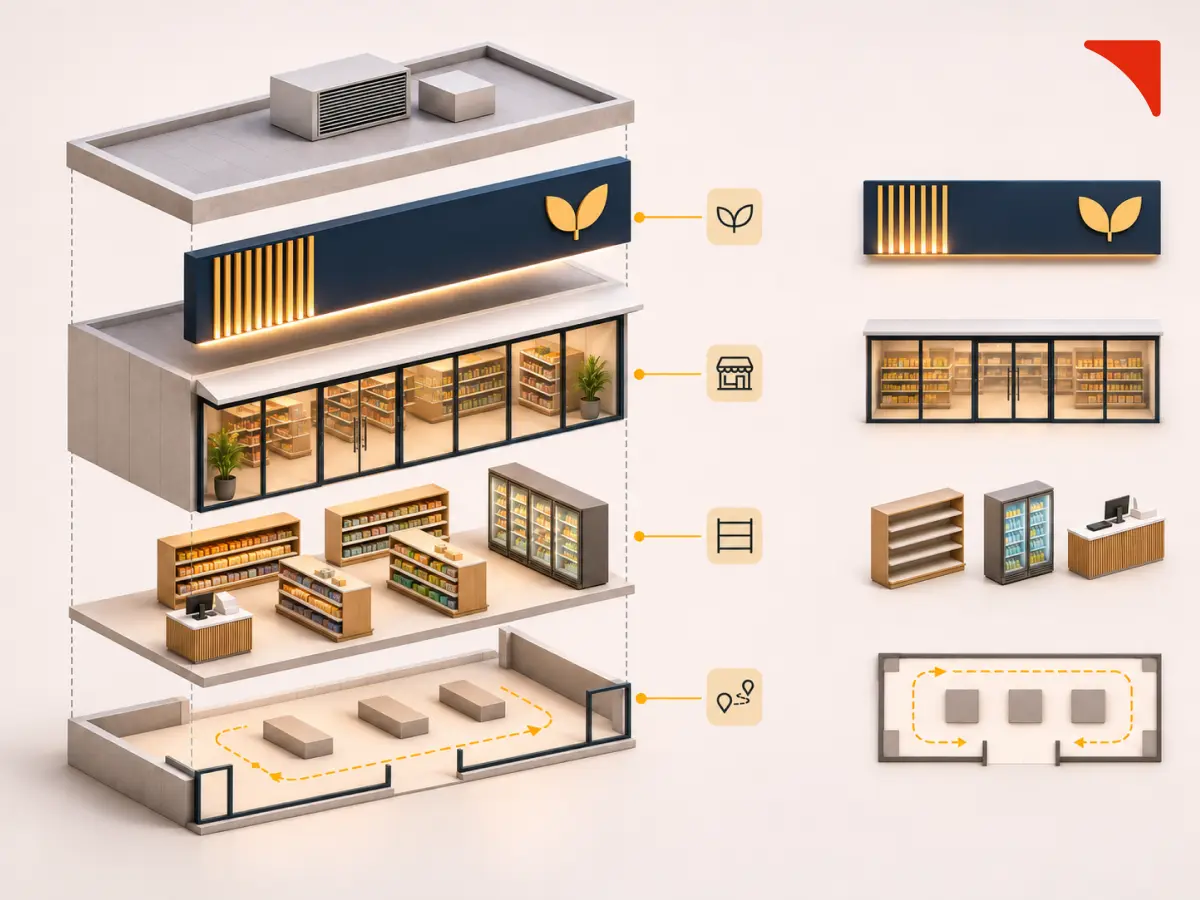
It is extremely crucial for commercial organizations to understand and accept the fact that standardization is still one of the most important elements of a successful expansion. Localization does not at all mean that each and every neighborhood store should look completely different.
Standardization in store design, fixtures, branding elements, and other retail aspects allows developing or growing retail brands to make it easier for their shoppers to recognize and recall them, irrespective of which neighborhood they visit. Hence, while opting for this particular retail format, organizations should standardize these elements and build their brand identity in a way that offers a scope for flexibility and adaptation in areas that specifically respond to local conditions.
Brands that follow this will be able to seamlessly create a useful balance: one brand, multiple local expressions.
Retail Execution Becomes More Complex at Scale
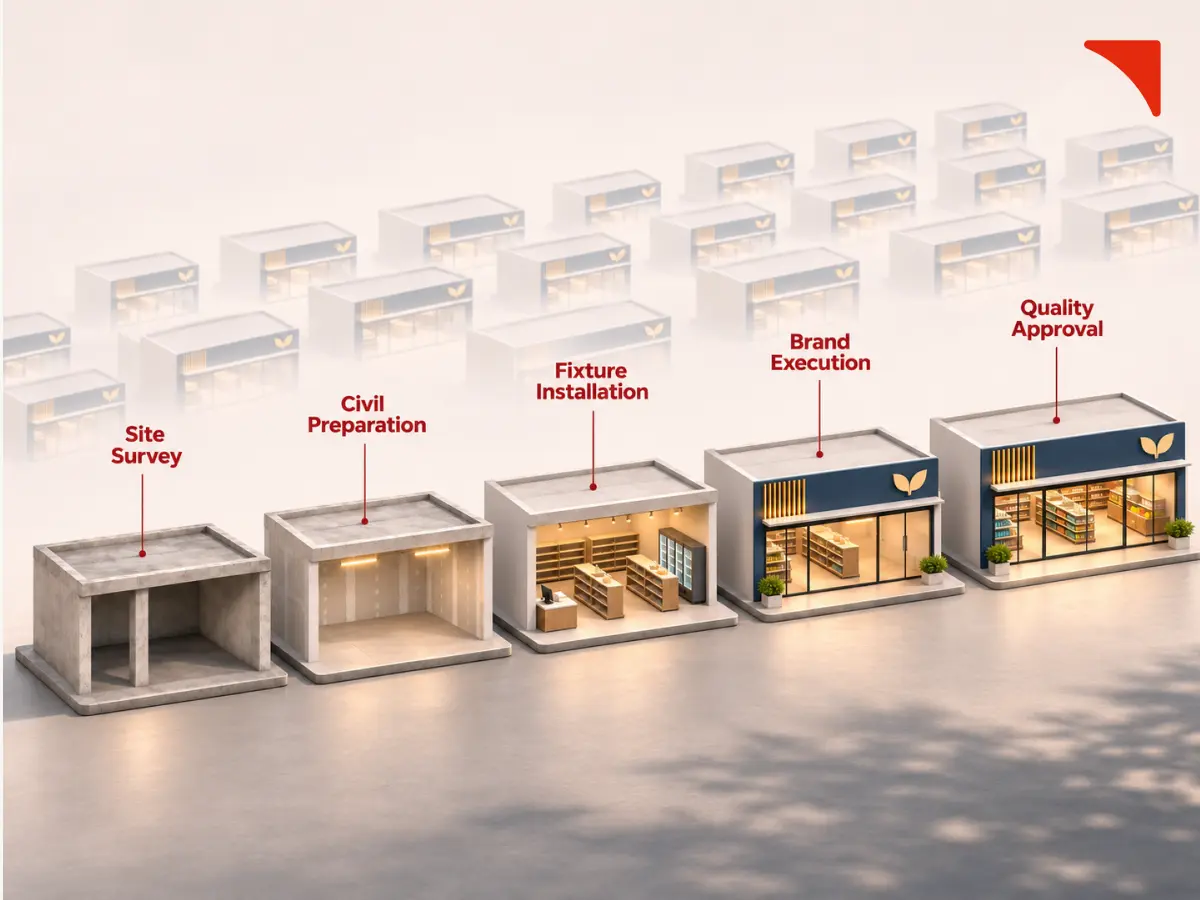
There is indeed a huge difference in opening one store and opening fifty stores across different neighborhoods.
Variations in retail execution, including site condition, local regulation, material availability, vendor capability, and construction timelines, can severely affect the entire rollout. Hence, in case the format continues to grow more localized, retailers actually need strong processes in order to ensure that flexibility does not turn into inconsistency.
Well, this is exactly why organizations need to closely monitor retail execution. When they establish clear design and brand guidelines, timely approve material specifications, establish efficient vendor networks, perform regular site audits, and centralize quality controls, it automatically helps them reproduce the intended experience, that too, across multiple locations while leaving a scope of local adaptation.
This process can further be supported and made even more stronger with the integration of technology. Organizations can simply include aspects like digital site surveys, remote audits, centralized documentation, and real time project tracking.
So, What Actually Lies In The Future? Well, It Could Be A Portfolio Of Formats!
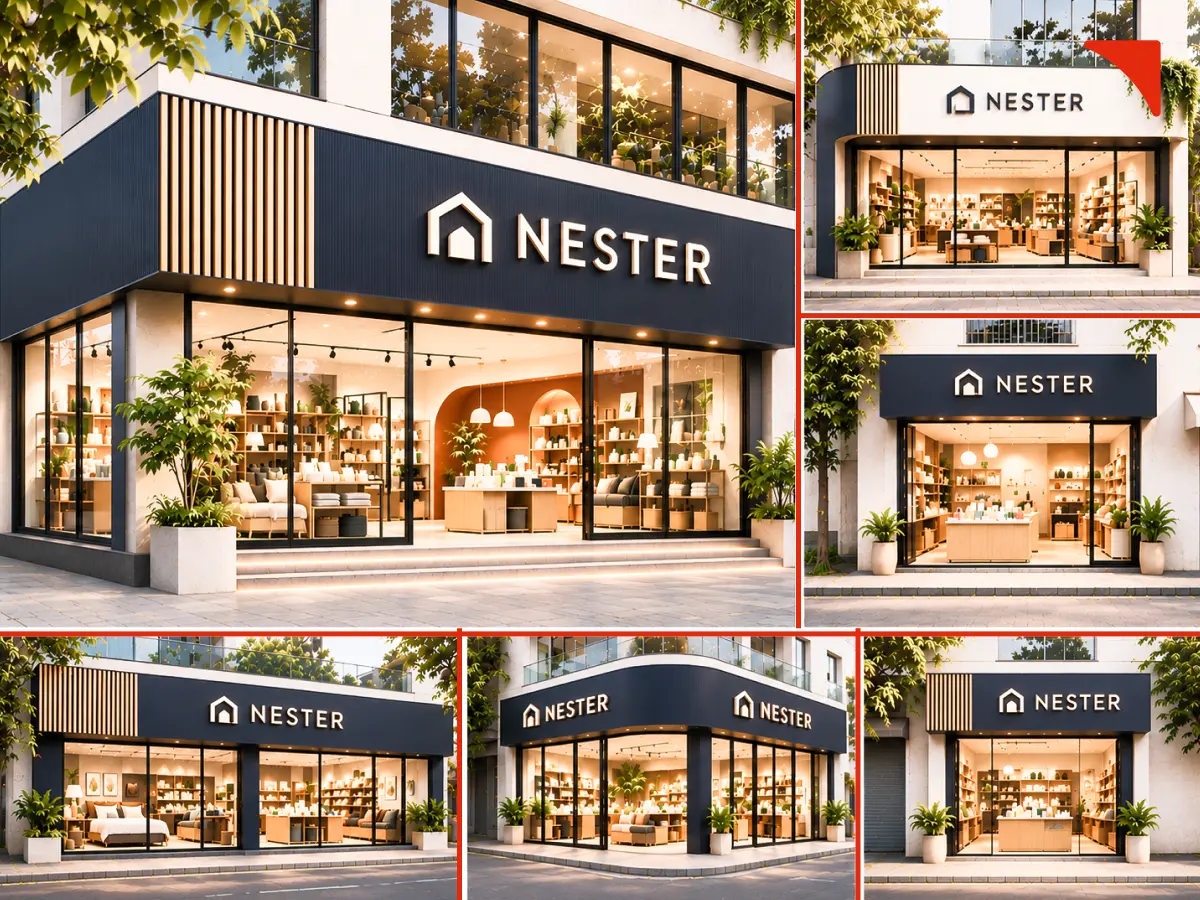
One of the biggest advantages as well as the biggest implications of neighborhood retail is that retail brands might no longer be dependent on one universal store format.
It is very much possible for a retail organization to have a larger destination store in a major commercial center, a mid sized neighborhood outlet in a residential catchment, and a compact express store in a location with high density.
Even though every individual format will cater to a completely different customer mission, but, at the same time, it will also contribute to the same brand ecosystem.
For growing brands, this will serve as a more flexible expansion strategy. Instead of forcing a store in every physical market, they can actually select the one that truly matches local opportunity.