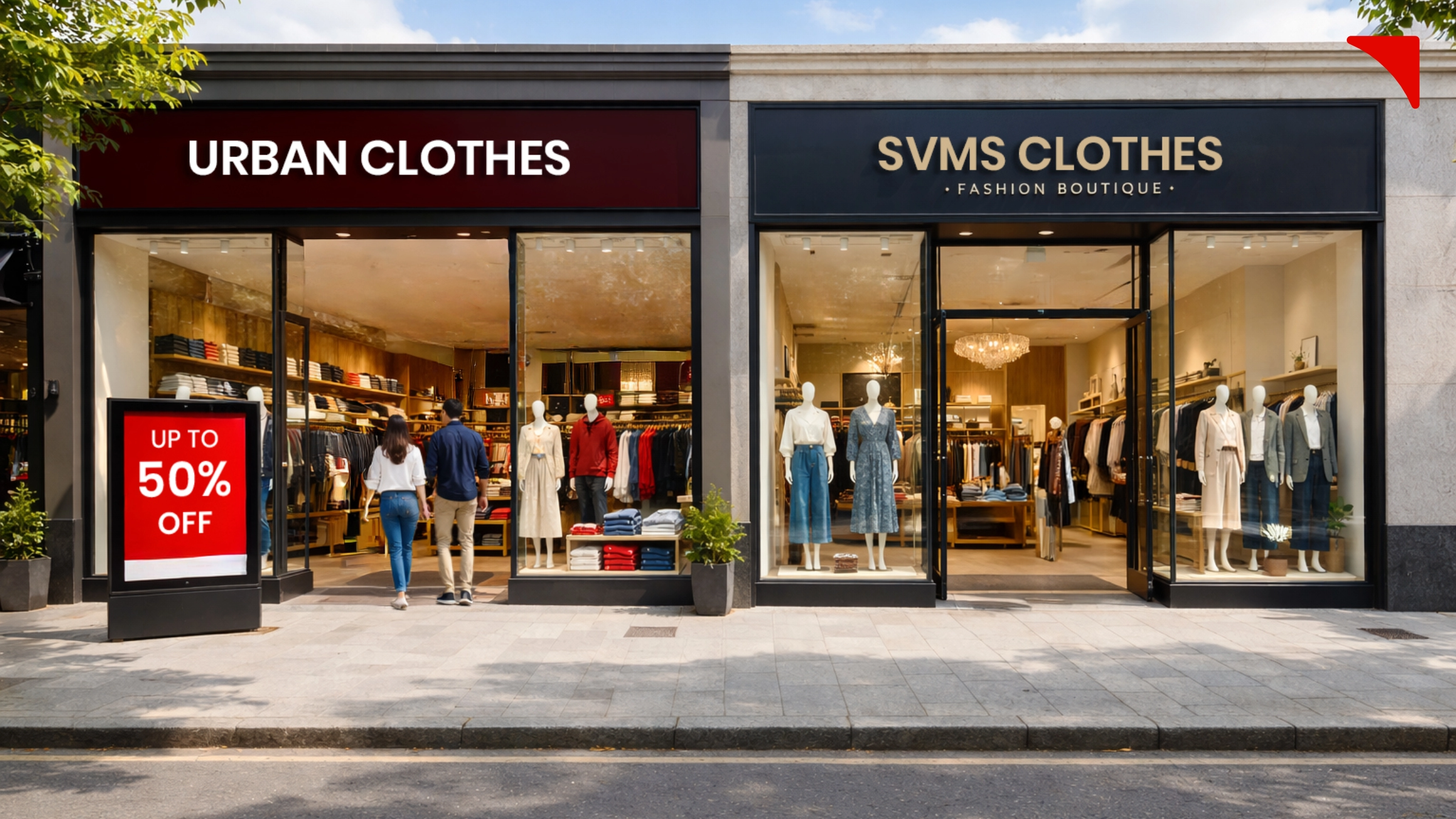
When the concept of retail was introduced, it was all about selling and purchasing goods. Brands offered products and consumers purchased them. That was the only relationship between a brand and its customers. However, things are no longer the same. The field of retail now revolves around offering memorable experiences to customers so that they leave with a positive perception and keep coming back.
In this rapidly evolving era, modern consumers prefer different modes of shopping. They have numerous options, and hence, they take complete advantage of them. Considering this, brands that wish to succeed need to think beyond just selling products and further emphasize establishing meaningful connections with their customers. This is exactly where the concept of retail branding enters the picture. It is one of the most powerful retail tools that helps brands convert one-time shoppers into loyal customers.
Why Does Loyalty Today Matter More Than Ever
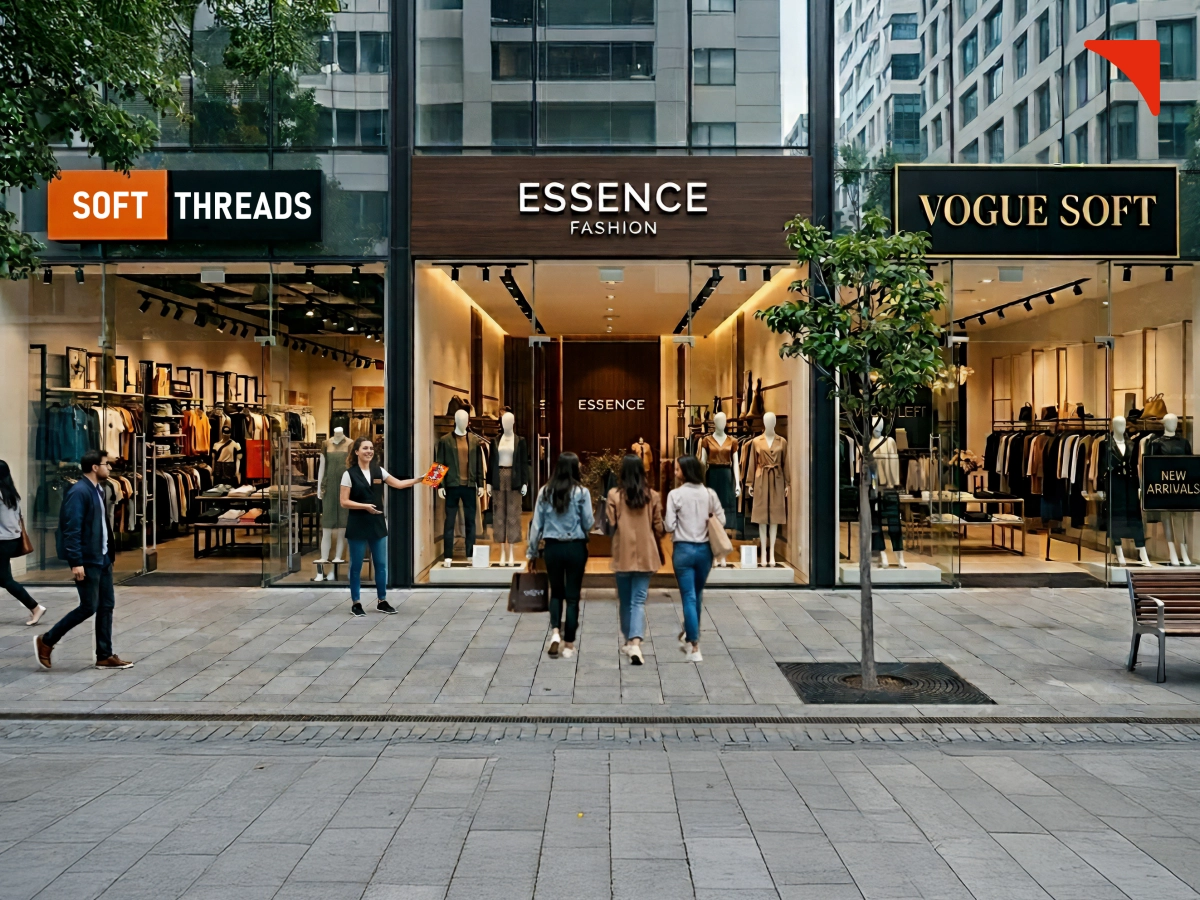
You know what is the most valuable but invisible asset that can be possessed by a retail brand? Well, it’s customer loyalty.
Various studies suggest that increasing customer retention by just 5% can help a brand experience a 25 to 95% boost in its overall profits.
Just like every other species, loyal consumers do have some common traits. They make frequent visits, spend more in comparison to other shoppers, give the first preference to one specific brand (no matter whatever they want to purchase), and act as free advertisements by recommending the brand to their friends and family. In addition to this, retaining a loyal customer is comparatively less costly and requires less effort than what is required in acquiring new shoppers
However, brands need to understand that loyalty is not something that happens by accident. Instead, it is established when customers get consistent brand experiences, irrespective of whether they are shopping online or offline, that reinforce trust, familiarity, and emotional engagement.
The Power of First Impressions in Retail Spaces
Not digital ads, not physical advertisements like billboards or pamphlets, not door to door promotional campaigns or any other BTL activities, even in 2026, it is physical stores that are still one of the strongest branding tools for retailers.
Various researches suggest that approximately 70% of the final purchase decisions are made inside a retail store. Well, this clearly indicates that the environment within a retail outlet itself can significantly influence buying behavior.
This is exactly why in shop branding is increasingly gaining a lot of importance. Signage, branded fixtures, color schemes, and displays are a few examples of branding elements that are generally present within a retail store. When retailers ensure systematic and strategic placement of these elements, they can seamlessly communicate their brand’s personality as soon as a customer enters the retail space. And clearly, when shoppers are able to easily recognize a brand’s identity, irrespective of whether it feels premium, sustainable, youthful, or tech driven, there is a high chance that they will easily connect with it.
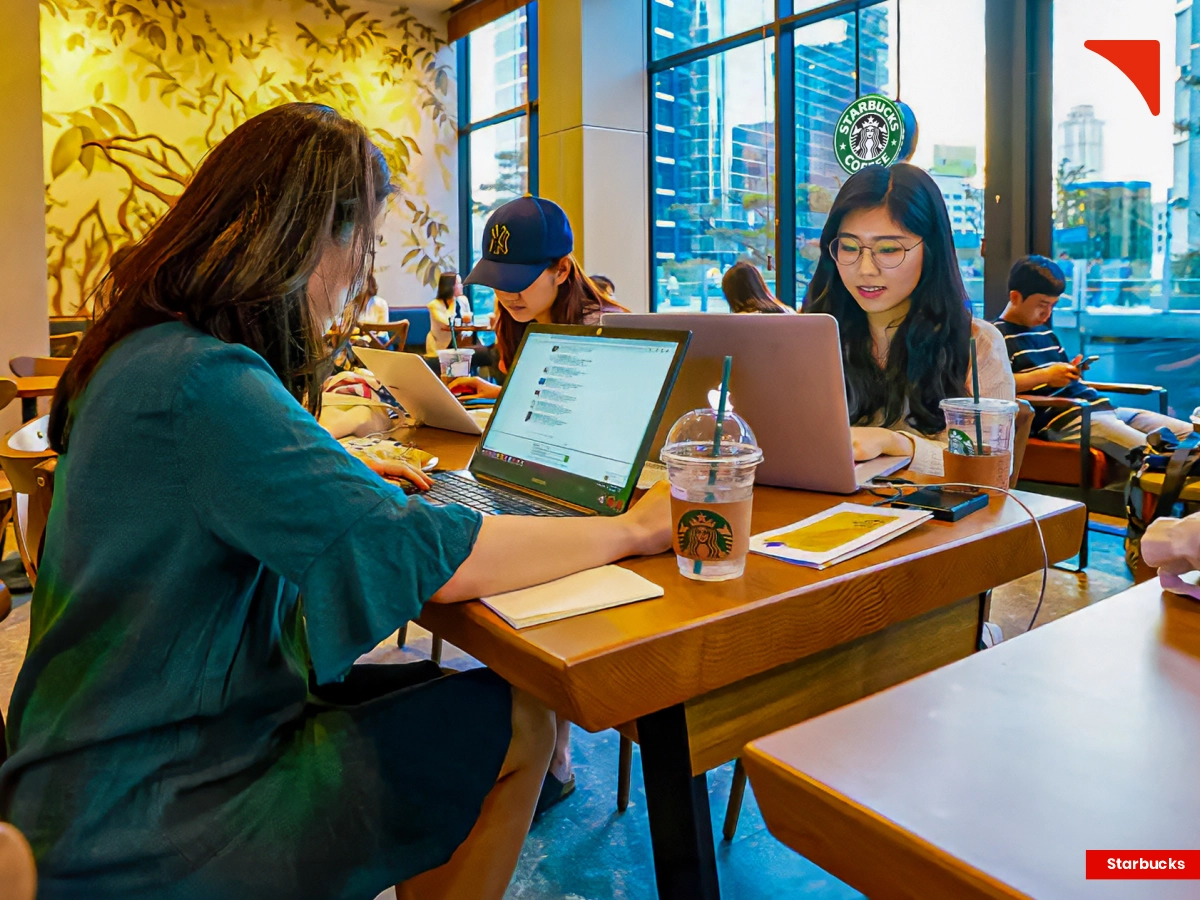
Starbucks fits as a perfect example over here. The brand aims at developing its stores in a way that creates ‘third place’ between home and work. To achieve this, they execute warm lighting and comfortable seating. The aroma of coffee further creates a welcoming environment. The atmosphere within Starbucks’ outlets successfully reinforces the brand’s identity of community, comfort, and personalized experience. This directly encourages the customers to visit again, stay for long, and feel connected with the brand effortlessly.
Visual Merchandising Shapes Customer Behavior
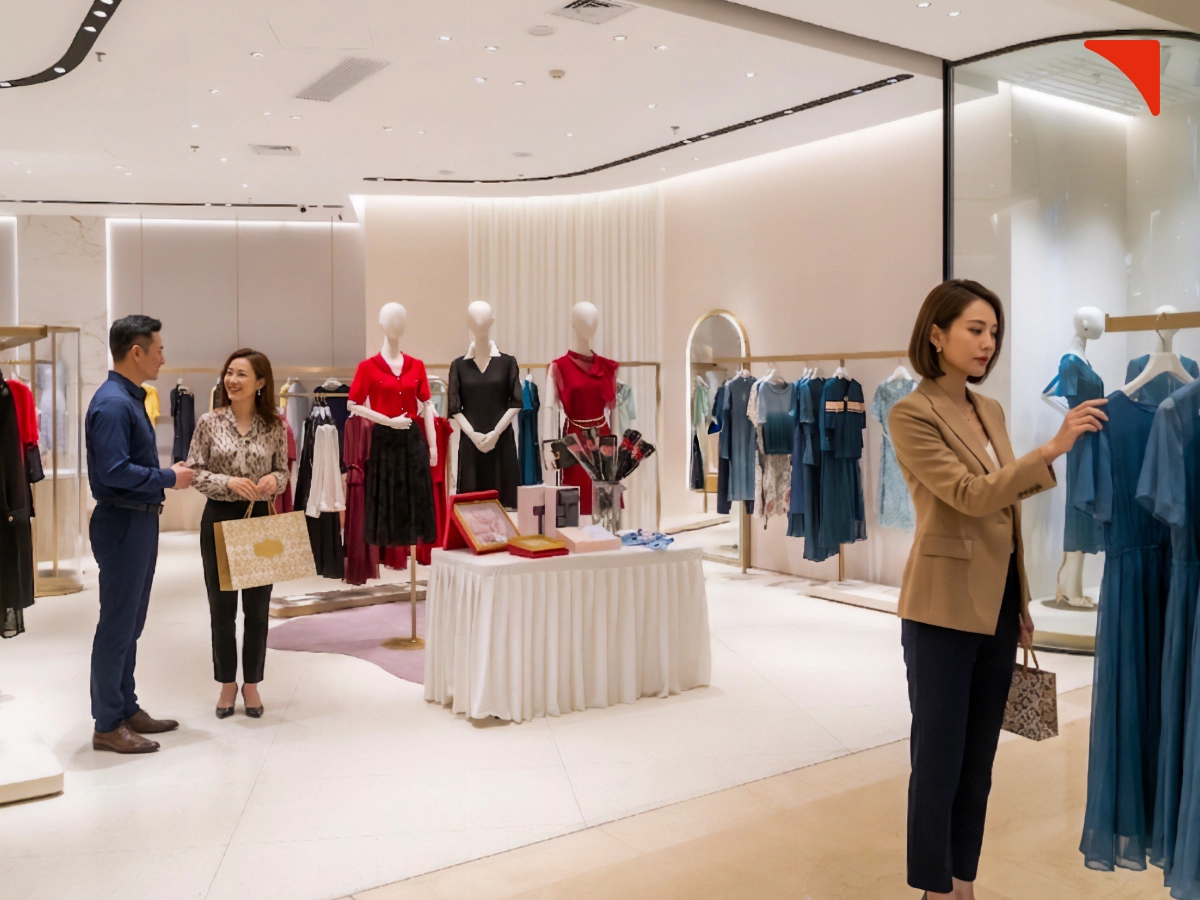
What and how the branding elements have been executed inside a store does affect the customer perception. But how products are placed and presented within a store is something that actually plays an important role in determining what purchases they will finally make.
If brands consider executing effective store visual merchandising tactics that enhance both aesthetic appeal and functionality of the space, they will be able to seamlessly guide customers, facilitate smooth navigation, draw attention to key products, and promote discoverable moments.
There are various retail VM techniques that brands utilize in order to direct customers’ attention towards their outlet and the products present in the store. A few common examples include focal displays, storytelling layouts, and strategic lighting. Here is a situation that will help you understand the aspect of visual merchandising in a better manner.
Have you ever noticed that fashion and apparel brands do not consider displaying just a single product or individual items in a window display area? They will either display the complete outfit or, instead, opt for more than one product. This will directly appeal to the eyeballs of customers, inspire them to explore the available variety, and also lead to an increase in the basket size.
This is not just any baseless theory or assumption. Instead, it is a tried and tested approach that is actually supported by data. Retail studies have shown that strategic visual merchandising can increase conversions by 20 to 30%.
When customers are fascinated by the presentation of products, the chances of purchase automatically increase. In addition, they leave with a positive brand experience that boosts recall and increases the chance of repeat visits.
Emotional Connection Drives Long Term Relationships!
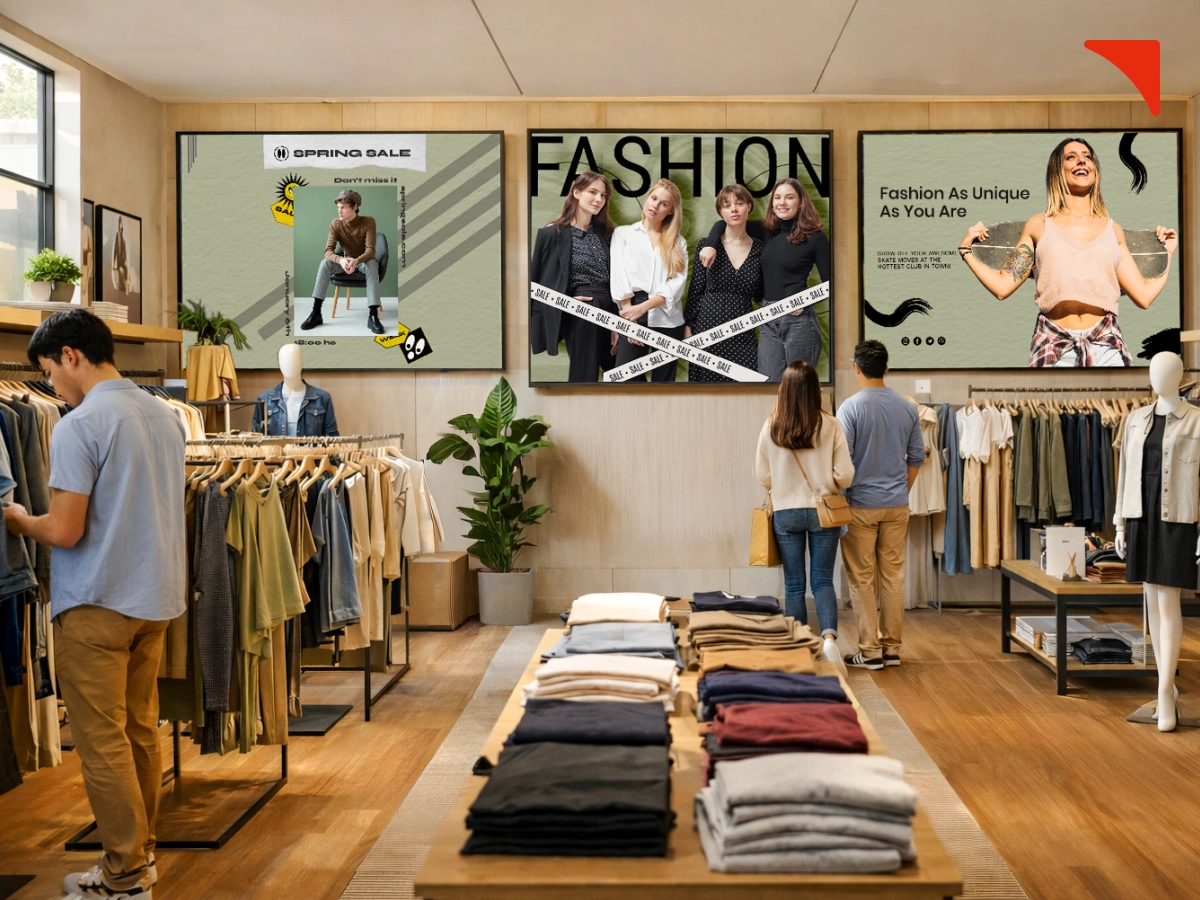
Modern consumers are not interested in just buying products. Instead, they actually love buying stories and values. In this scenario, retailers that are able to clearly communicate their brand’s purpose with shoppers often experience deeper loyalty.
Millennials and other younger generations, including Gen Z, are more drawn towards brands that align with their values and identity. Hence, to attract them, brands can consider executing appropriate in shop branding tactics that help them communicate their values and identity. If they do so, there are high chances that shoppers will remain loyal, even when competitors offer lower prices.
Looking Ahead: The Future of Retail Loyalty
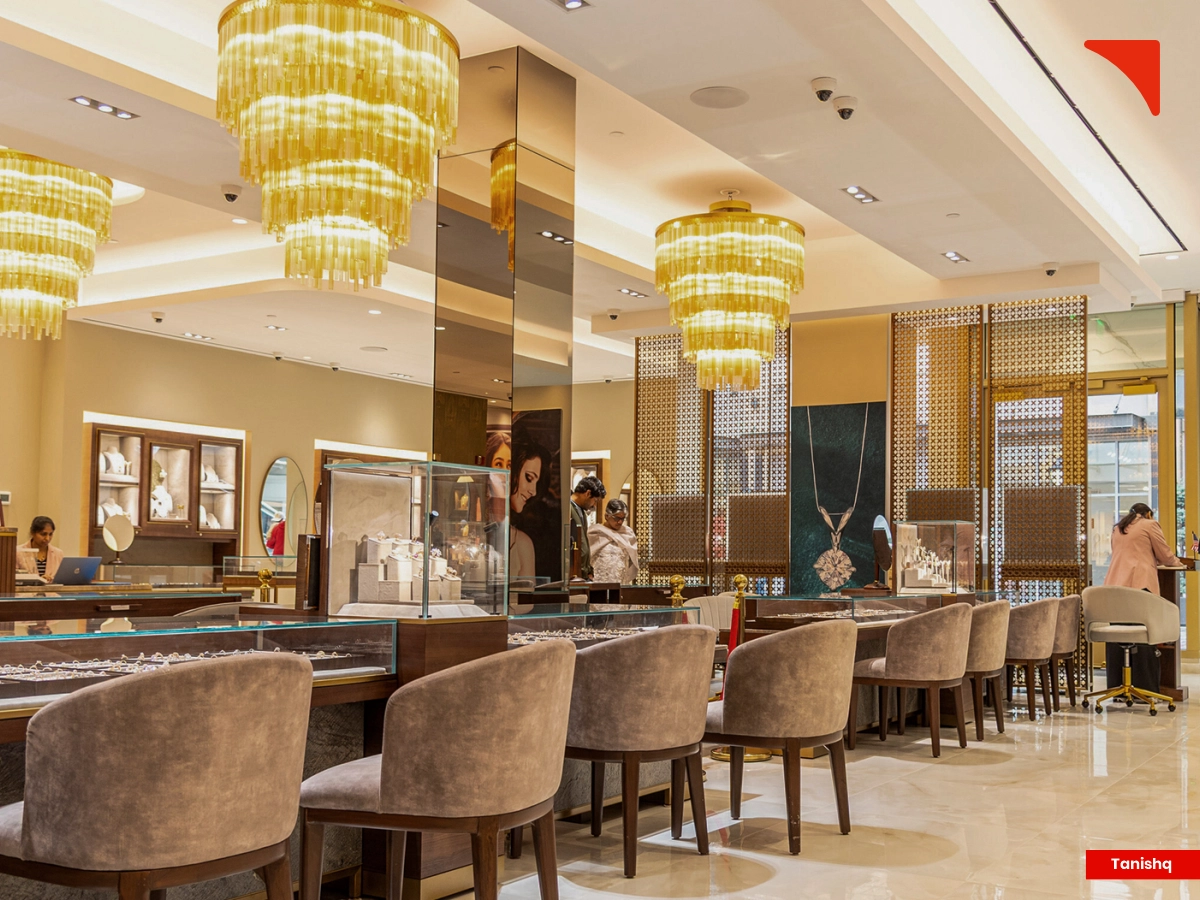
We all can clearly see that the concept of retail branding will become more and more experience driven in the upcoming years. Also, studies related to the same concept have shown that by the end of 2030, the concept of experiential retail will heavily dominate physical shopping spaces. Instead of acting as places that facilitate financial transactions between a brand and its customers, physical retail stores will soon start functioning as experience hubs.
Considering this, modern retailers that wish to acquire a competitive edge and maintain relevance in the market will have to pay more attention to and significantly increase their overall branding and marketing budget. They will have to provide customers with immersive store environments and personalized shopping journeys in order to ensure that they come back again. Data and other useful information will act as the basis of all this transformation, as it will help brands understand their target audience better and further enable tailored experiences to strengthen recall and loyalty.