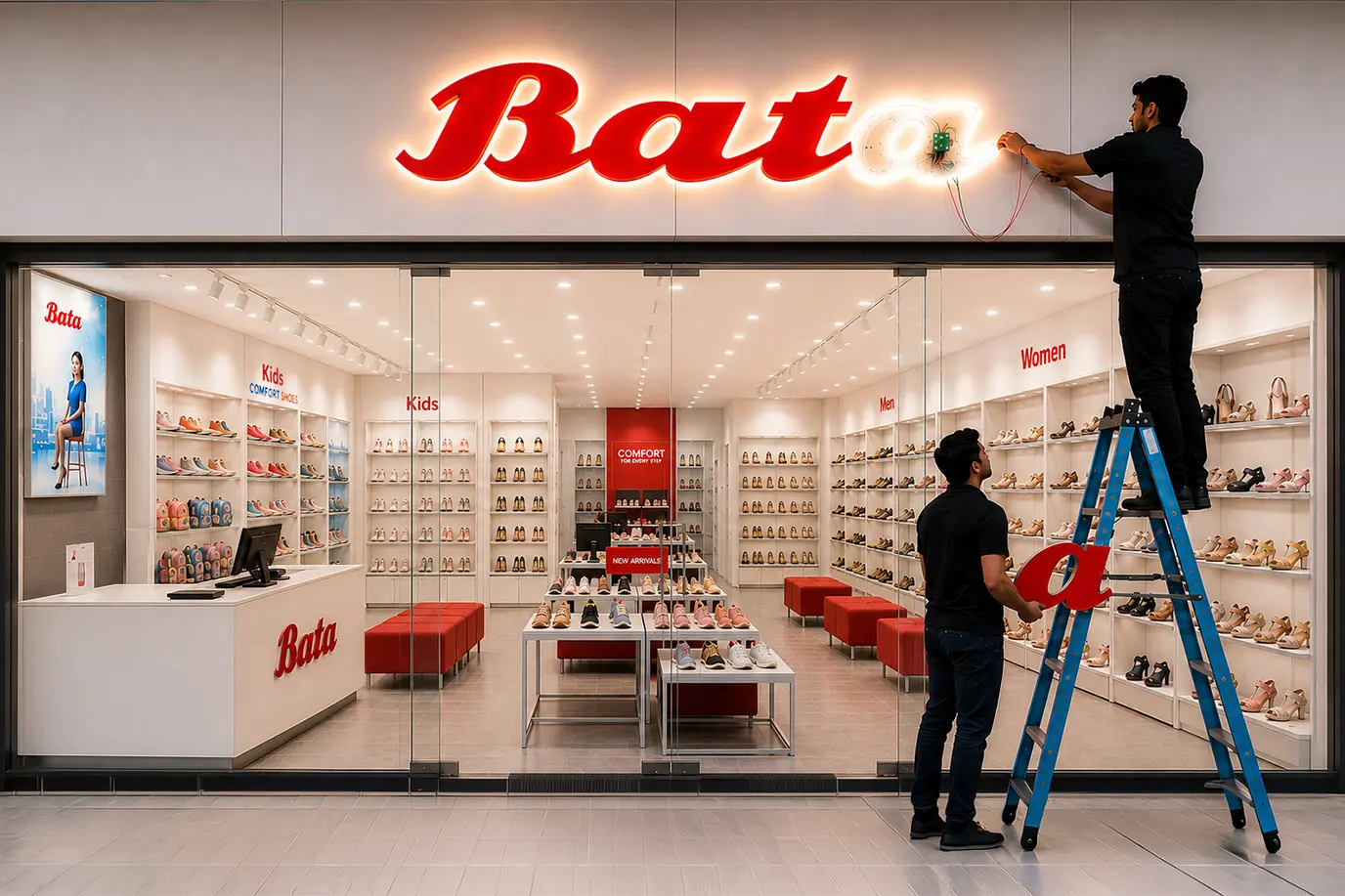
Retail Store Maintenance
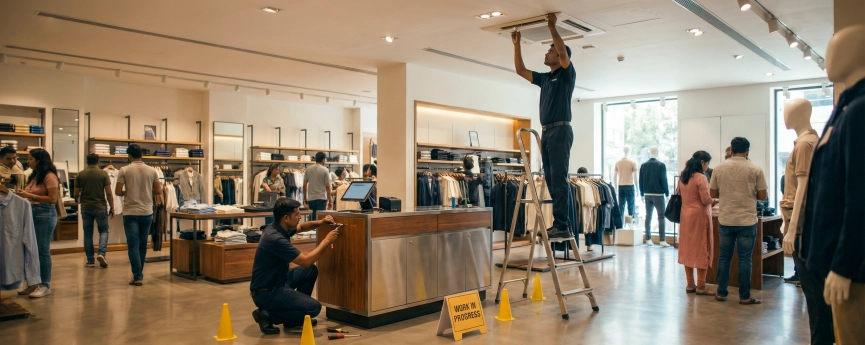
Retail stores are meant to create impact—on brand perception, customer experience, and sales. A store that’s fresh and well maintained automatically appeals to the eyeballs of target customers, establishes trust, and strengthens how the brand is being perceived in the competitive market. In the field of retail, freshness is a key driver of perception, and it’s perception that directly influences return on investment.
However, creating an impact and delivering it consistently are two very different challenges. A store is launched just once. But it is experienced every single day. Over time, deterioration inside the store can quietly erode brand perception along with customer confidence.
When brands ensure disciplined retail maintenance, they can ensure that their store continues to reflect the brand’s image, promise, and experience in a desired manner throughout its lifecycle.
Do you maintain your brand stores reactively, or only when something breaks or becomes visible? Does your brand follow any preventive system that helps identify patterns before they actually start impacting customer experience and brand perception?
Irrespective of whether they have or haven’t impacted customer experience presently/recently, does your brand have complete information on which maintenance delays are quietly compounding over time and what impact they might have in a week, month, or quarter?
Are repeated maintenance delays leading to inconsistent store experience across locations and formats, further causing an imbalance in brand standards?
Does your brand actively manage the longevity of your store assets, or are the warranties, materials, and fixtures gradually wearing out?
Has your brand evaluated how poor maintenance can lead to erosion of retail investment, followed by erosion of brand confidence that will further be affecting both customer trust and store sales?
From reactive fixes to controlled maintenance: At D’Art, instead of just treating it as a response to breakdowns, we actually consider retail maintenance as a planned and governed function. As a result, we constantly track recurring issues, asset lifecycles, and on-ground patterns in order to ensure that everything is maintained before it actually starts impacting customer experience.
Early intervention to prevent experience deviation: Our team of experts prioritises maintenance actions based on the degree of risk. Addressing issues in the early stage helps prevent gradual deviations in store experience that would have become evident weeks or months later.
Protection of asset longevity and retail investment: We follow a systematic and structured maintenance approach that helps a brand extend the life of its store assets, protect material warranties, and significantly reduce long term replacement costs. Doing this does not just safeguard retail investments but also supports store performance in the long run.
In retail, ignorance is not a bliss!
Want to ensure that your retail stores keep delivering impact consistently?
Partner with D’Art now to timely protect your retail investment, maintain brand standards, and deliver a consistent customer experience!
The concept of retail facility maintenance is all about regularly inspecting, servicing, and repairing fire systems, electrical equipment, and other safety features present in a retail facility. When brands opt for this, it helps them ensure that their retail space meets regulations, reduces hazards, and maintains proper records that can be further utilized for future audits and legal compliance.
A retail facility maintenance company provides multiple services from a single point, reduces administrative burden, ensures expert handling of specialized systems, and provides predictable costs. On the other hand, managing multiple vendors includes a lot of hassle and is not a cost-effective method as well. Hence, hiring a retail facility maintenance company is indeed the best option instead of opting for in-house management.
When brands opt for retail maintenance management, it centralizes the entire planning process and utilizes predictive scheduling. As a result, they experience minimized downtime, prevention of costly repairs, compliance at scale, and keep the store running effectively and efficiently.